Search
 русский
 Español
 عربى
عربى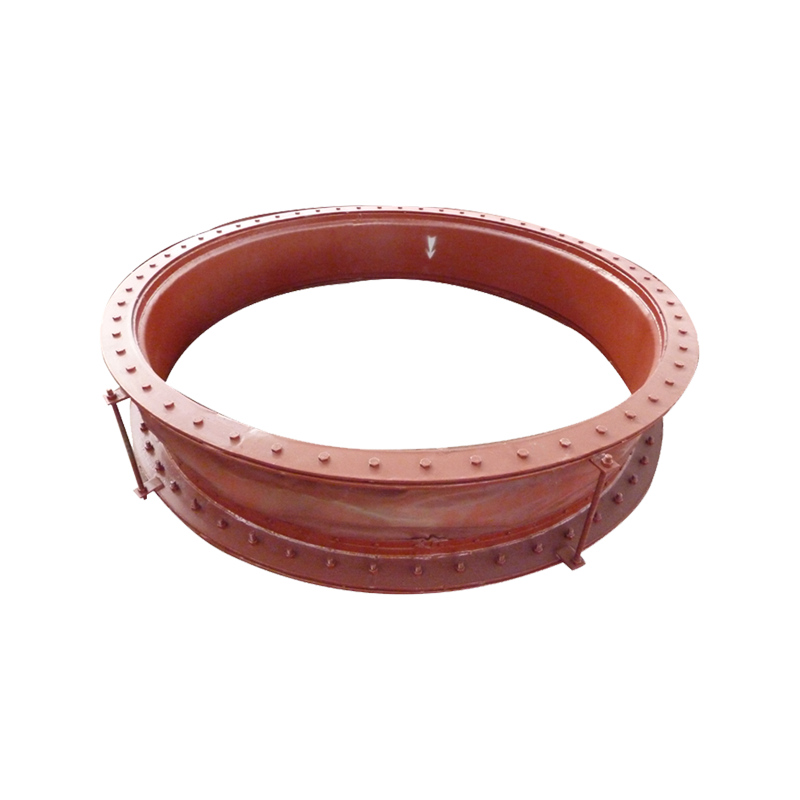
The Non-metal expansion joint responds to sudden pressure surges primarily through elastic deformation and energy absorption, making it significantly more forgiving than rigid metal joints. In contrast, metal expansion joints tend to transfer surge-induced stress directly into the pipeline system, increasing the risk of fatigue cracking and localized failure. In most industrial applications, non-metal expansion bellows demonstrate superior damping behavior under transient pressure spikes, especially in low-to-medium pressure systems.
However, while non-metal designs excel in shock absorption, they are generally limited in maximum pressure capacity compared to reinforced metal systems. Therefore, the selection depends on whether surge mitigation or high-pressure containment is the primary design requirement.
Understanding Sudden Pressure Surges in Piping Systems
Sudden pressure surges, often referred to as water hammer or transient spikes, occur when fluid velocity changes abruptly. These events can generate pressure increases of 5 to 20 bar within milliseconds, depending on flow velocity and pipeline length. Such rapid changes impose severe mechanical stress on joints and fittings.
In systems using non metallic expansion bellows, the flexible structure allows partial absorption of these dynamic forces. The material elasticity reduces peak stress transmission, effectively smoothing out the pressure wave before it propagates through the pipeline network.
By contrast, rigid metal systems lack inherent damping capability, meaning that surge energy is transferred almost entirely to welds, flanges, and adjacent piping sections.
Non-metal expansion joint
Response Behavior of Non-Metal Expansion Joints
The Non-metal expansion joint reacts to pressure surges through controlled deformation of its elastomeric or composite layers. This deformation reduces peak internal stress by distributing the load over a larger surface area.
Energy Absorption Mechanism
The layered structure of non metallic expansion bellows allows them to act as a buffer zone. When a pressure surge occurs, the flexible body expands slightly, absorbing kinetic energy and reducing instantaneous load transmission by up to 30–60% in typical low-pressure systems.
Deformation and Recovery
After the surge dissipates, the joint returns to its original shape. This elastic recovery is critical in preventing permanent deformation or fatigue damage. The cyclic flexibility of non-metal expansion bellows also helps extend service life in systems with frequent transient events.
- High flexibility reduces stress concentration points
- Composite layers damp vibration and surge energy
- Suitable for corrosive and chemically aggressive environments
Behavior of Metal Expansion Joints Under Surge Conditions
Metal expansion joints rely on thin-walled bellows structures made from stainless steel or alloy materials. While strong and pressure-resistant, their ability to absorb sudden pressure surges is limited due to low material damping characteristics.
When a surge occurs, metal joints tend to experience rapid cyclic stress. This can lead to fatigue cracking over time, especially if pressure spikes exceed 10 bar repeatedly. Unlike non metallic expansion bellows, they do not significantly reduce transmitted stress but instead redistribute it.
The rigidity of metal structures makes them suitable for high-pressure containment but less ideal for systems with frequent hydraulic shocks.
Direct Comparison: Non-Metal vs Metal Expansion Joints
| Feature | Non-Metal Expansion Joint | Metal Expansion Joint |
|---|---|---|
| Surge Absorption | High (30–60% damping) | Low (minimal damping) |
| Stress Transmission | Reduced through elasticity | Direct transfer to piping system |
| Pressure Capacity | Medium | High |
| Fatigue Resistance | Good under cyclic surges | Moderate to low under frequent surges |
| Typical Use Case | Low/medium pressure systems with vibration | High-pressure steam and industrial lines |
Design Considerations for Surge Protection
Selecting between a Non-metal expansion joint and a metal alternative requires evaluating both pressure conditions and dynamic load behavior. Engineers often prioritize surge mitigation in systems with frequent pump startups or valve closures.
- Evaluate maximum surge pressure and frequency of occurrence
- Assess compatibility with non metallic expansion bellows material properties
- Determine required movement range (axial, lateral, angular)
- Consider environmental factors such as corrosion and temperature
In many moderate-pressure systems, engineers choose non metallic expansion bellows specifically for their ability to reduce maintenance cycles caused by repeated surge fatigue.
Non-metal expansion joint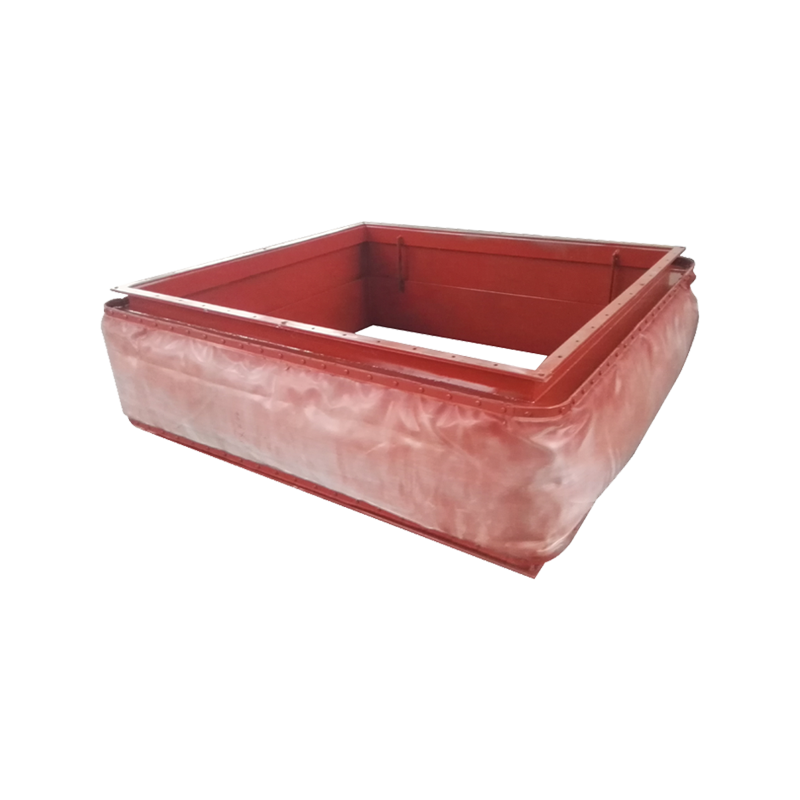
Practical Applications and Failure Scenarios
In wastewater treatment plants, HVAC systems, and chemical processing pipelines, Non-metal expansion joints are commonly used to manage vibration and pressure fluctuations simultaneously.
A typical failure scenario in metal joints occurs when repeated surges cause micro-cracks that grow over time, eventually leading to leakage. In contrast, non metallic expansion bellows usually fail through gradual wear, over-compression, or material aging rather than sudden fracture.
For example, in a system experiencing daily pressure spikes of 8–12 bar, non-metal designs may achieve a service life exceeding 5–8 years, whereas metal joints may require inspection or replacement within a shorter maintenance cycle depending on operating conditions.