Search
 русский
 Español
 عربى
عربى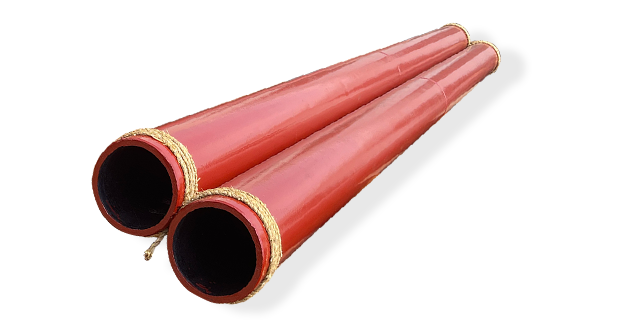
Enhanced Durability with Wear-Resistant Ceramic Pipes in Harsh Conditions
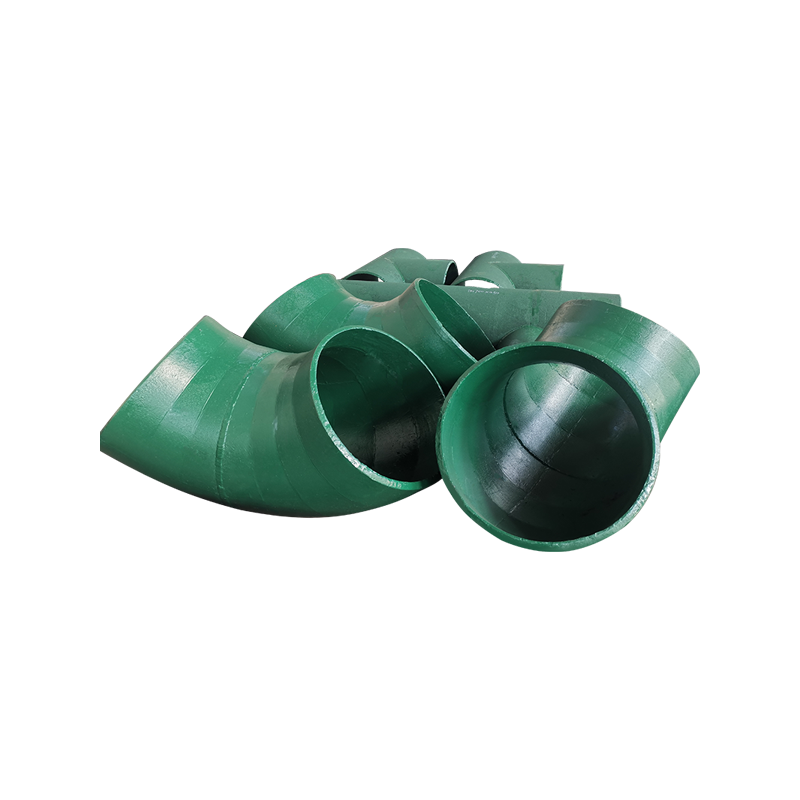
Wear-resistant ceramic pipes are gaining increasing attention across various industries due to their impressive durability in harsh conditions. These pipes, made from advanced ceramic materials, are engineered to withstand extreme wear and tear, making them ideal for challenging environments where other materials often fail. The high durability of wear-resistant ceramic pipes stems from several key properties that distinguish them from traditional piping materials like steel, plastic, or rubber. These properties are essential for industries such as mining, oil and gas, power generation, and chemical processing, where pipes are subjected to abrasive, corrosive, or high-temperature substances.
Composition and Structure of Wear-Resistant Ceramic Pipes
Wear-resistant ceramic pipes are typically made from materials such as alumina (Al2O3), silicon carbide (SiC), or zirconia (ZrO2), which are known for their hardness, high melting points, and resistance to chemical corrosion. These materials are fused together through advanced manufacturing processes, resulting in a smooth, dense surface that resists abrasion, corrosion, and erosion. The structural integrity of ceramic pipes ensures that they maintain their form and function even under harsh mechanical and thermal stresses. The materials used in the creation of these pipes are specifically selected to ensure minimal wear when exposed to abrasive particles, high-pressure flows, and aggressive chemicals, making them superior to most traditional pipe materials.
Abrasion Resistance and Longevity
One of the most important benefits of wear-resistant ceramic pipes is their ability to resist abrasion. In industries such as mining, cement production, and sandblasting, pipes are often exposed to high-velocity flows containing abrasive particles. Over time, these particles can wear down metal pipes, leading to erosion, thinning, and ultimately, failure. Wear-resistant ceramic pipes, however, exhibit exceptional resistance to such abrasive forces. The hardness of ceramics, especially those made with materials like alumina and silicon carbide, allows these pipes to endure abrasive conditions for significantly longer periods compared to metals. This resistance translates into extended service life, fewer replacements, and reduced downtime for maintenance and repairs. This characteristic makes ceramic pipes invaluable in environments where the regular replacement of traditional pipes would otherwise be a major operational cost.
Corrosion Resistance in Aggressive Environments
Apart from abrasion resistance, wear-resistant ceramic pipes also offer significant advantages in resisting chemical corrosion. Many industrial processes involve the transportation of highly corrosive materials, such as acidic or basic solutions, slurries, or aggressive gases. Corrosion can quickly degrade traditional piping materials, leading to leaks, contamination, and catastrophic failures. Wear-resistant ceramic pipes, on the other hand, are highly resistant to corrosion, particularly in acidic or alkaline environments. Ceramics are chemically inert, meaning they do not react with most chemicals, which ensures their longevity even when exposed to harsh substances. This resistance to corrosion extends the life of ceramic pipes and reduces the risk of failures in critical infrastructure, such as chemical plants, sewage treatment facilities, and food processing plants.
Thermal Stability and High-Temperature Performance
Wear-resistant ceramic pipes are also notable for their excellent thermal stability, which allows them to perform well in high-temperature environments. In industries such as power generation, petrochemicals, and steel manufacturing, pipes often carry fluids or gases at elevated temperatures. Materials such as metals and plastics tend to degrade at high temperatures, losing their structural integrity and performance. However, ceramics can withstand higher temperatures without losing strength, and some ceramic materials can endure temperatures as high as 1,600°C (2,912°F) or more. This high-temperature stability makes wear-resistant ceramic pipes ideal for applications involving steam, molten metals, or hot gases, where other materials would quickly fail. Additionally, ceramic pipes maintain their wear-resistant properties at elevated temperatures, providing long-term performance in challenging thermal conditions.
Impact Resistance and Structural Integrity
While ceramics are often associated with being brittle, modern wear-resistant ceramic pipes are designed to handle significant impact without breaking or cracking. Advances in ceramic technology, such as the incorporation of composite materials, have led to the development of impact-resistant ceramic pipes. These pipes are engineered to absorb shock loads and vibrations, which are common in industries like mining and construction. The robust nature of these pipes allows them to withstand accidental impacts, such as the collision of heavy machinery or falling debris, without compromising their structural integrity. This impact resistance is a critical factor in industries where physical shocks or vibrations are frequent, ensuring that the pipes continue to function effectively under unpredictable conditions.
Maintenance Reduction and Operational Efficiency
The enhanced durability of wear-resistant ceramic pipes directly contributes to operational efficiency. Traditional metal pipes often require frequent maintenance to repair or replace sections that have become worn or damaged due to abrasion, corrosion, or impact. In contrast, the exceptional wear resistance of ceramic pipes reduces the need for such maintenance. The longer lifespan of ceramic pipes means fewer repairs and replacements, leading to lower maintenance costs and less downtime. This is especially advantageous in industries where production schedules are tight, and unplanned maintenance can result in significant financial losses. Additionally, the reduced frequency of maintenance tasks allows staff to focus on other critical aspects of operations, further improving overall efficiency.
Wear-Resistant Ceramic Pipes: A Cost-Effective Solution for Long-Term Use
Wear-resistant ceramic pipes are increasingly being recognized as a highly cost-effective solution for industrial piping applications that require durability, reliability, and minimal maintenance. While the initial investment in ceramic pipes may be higher compared to traditional materials like steel or PVC, their long-term benefits make them an attractive choice for many industries. These pipes offer superior performance in harsh conditions, contributing to significant cost savings over time due to their extended service life, reduced maintenance needs, and resistance to various forms of degradation. In this context, it is essential to explore the various ways in which wear-resistant ceramic pipes provide a cost-effective solution over the long term, especially when compared to more conventional materials.
Initial Cost Considerations and Durability Trade-Offs
The upfront cost of wear-resistant ceramic pipes is typically higher than that of more traditional materials, primarily due to the advanced manufacturing processes and the high-quality raw materials used in their production. Ceramic pipes are often made from materials like alumina (Al2O3), silicon carbide (SiC), or zirconia (ZrO2), which are more expensive than the metals or plastics typically used in pipe manufacturing. Additionally, the production of ceramic pipes involves precision processes that require specialized equipment, further driving up the initial cost. However, when considering the total cost of ownership over the lifespan of the pipes, the higher initial investment is quickly offset by their superior performance in demanding environments. The combination of extended durability, reduced maintenance, and fewer replacements results in significant savings over the long term.
The durability of wear-resistant ceramic pipes is one of the key factors that contribute to their long-term cost-effectiveness. These pipes are engineered to withstand abrasive wear, corrosion, and high-pressure conditions, which would typically degrade traditional pipes made of steel, cast iron, or plastic. The hardness of ceramics, such as alumina or silicon carbide, ensures that these pipes resist the damage caused by abrasive materials like sand, gravel, and slurry, which would quickly wear down metal pipes. In applications such as mining, cement production, or bulk material handling, where abrasive substances are frequently transported, wear-resistant ceramic pipes can last many times longer than traditional materials, minimizing the need for costly replacements and repairs.
Maintenance and Downtime Reduction
One of the most significant factors that make wear-resistant ceramic pipes a cost-effective solution is their minimal maintenance requirements. In many industrial settings, traditional piping systems require regular inspections, repairs, and replacements to address issues like erosion, corrosion, and wear. Over time, these maintenance activities can accumulate into substantial costs, including labor, downtime, and the purchase of replacement parts. Ceramic pipes, however, are much more resilient to wear and degradation, which drastically reduces the need for ongoing maintenance. Their resistance to abrasion, corrosion, and high temperatures means that they maintain their structural integrity much longer than other materials, thereby decreasing the frequency of repairs or replacements. This reduction in maintenance needs not only saves on labor and material costs but also minimizes downtime, allowing operations to continue without interruption.
The longer lifespan of wear-resistant ceramic pipes also directly impacts the need for spare parts and pipe replacements. In industries like mining, power generation, or chemical processing, where extensive pipeline networks are required, the cost of replacing damaged pipes can be significant. Traditional pipe materials, particularly metals, degrade quickly in harsh environments, leading to frequent replacements. On the other hand, ceramic pipes can withstand the same conditions for many years, often outlasting their metal counterparts by a factor of five to ten times. This extended service life means that businesses spend less on procurement, installation, and disposal of pipes, which adds up to significant cost savings over time.
Energy and Operational Efficiency Benefits
Wear-resistant ceramic pipes not only reduce direct maintenance costs but also contribute to increased operational efficiency, further enhancing their cost-effectiveness. In applications where fluids or materials are transported through pipelines, the resistance to wear and corrosion provided by ceramic pipes helps maintain consistent flow rates and system performance. For example, in slurry transport systems or those handling high-pressure fluids, the interior of traditional pipes can become roughened over time due to abrasion, leading to increased friction and energy loss. This frictional loss can result in the need for more energy to pump fluids or materials through the pipeline, driving up operating costs.
Wear-resistant ceramic pipes, with their smooth and durable surface, offer minimal resistance to flow, allowing for more efficient transportation of materials. The smooth inner surface reduces friction and the potential for blockages, leading to lower energy consumption and reduced wear on pumps and other associated equipment. This increased energy efficiency results in long-term savings on energy costs, especially in industries where large volumes of materials need to be transported under pressure or over long distances. In some cases, the reduction in friction can also extend the life of other components in the system, such as pumps, valves, and seals, further contributing to overall cost savings.
Resistance to Corrosion and Chemical Degradation
Another significant advantage of wear-resistant ceramic pipes is their exceptional resistance to corrosion and chemical degradation, which makes them an ideal solution for industries that handle aggressive chemicals, acids, or alkalis. Traditional materials like steel and iron are prone to rust and corrosion when exposed to harsh chemicals or moist environments, which leads to the degradation of the pipes and, ultimately, system failure. This not only results in the need for frequent pipe replacements but also poses a significant risk to the safety of personnel and the environment.
Ceramic materials, on the other hand, are highly resistant to corrosion and chemical attack. The chemical inertness of ceramics ensures that they do not react with most industrial fluids, including acidic and alkaline substances, preventing the pipes from breaking down over time. This resistance to corrosion means that ceramic pipes can be used in a wider range of applications without the need for expensive corrosion protection measures like coatings or linings. Furthermore, the ability of ceramic pipes to resist chemical degradation ensures that they maintain their structural integrity and performance even when exposed to harsh substances, reducing the likelihood of costly system failures.
In industries such as chemical processing, oil and gas, and water treatment, where pipelines frequently come into contact with corrosive substances, the use of wear-resistant ceramic pipes can dramatically reduce maintenance costs associated with corrosion damage. The extended lifespan of these pipes in such environments minimizes the need for replacements and ensures that the system operates smoothly without frequent interruptions.
Reduction of System Failures and Emergency Costs
System failures in critical infrastructure, such as pipelines in the oil and gas industry, chemical plants, or water treatment facilities, can be costly in terms of both direct and indirect expenses. Direct costs include the repair or replacement of damaged pipes, while indirect costs can include lost production, environmental damage, fines, and legal liabilities. Traditional materials, especially metals, are more prone to failure under conditions of high stress, corrosion, or wear, making systems more susceptible to unexpected shutdowns and emergency repairs.
Wear-resistant ceramic pipes, with their superior resistance to wear, corrosion, and high temperatures, significantly reduce the likelihood of such system failures. These pipes are designed to withstand extreme operating conditions without experiencing the same level of degradation or failure as metal pipes. This leads to fewer unplanned shutdowns, reduced emergency repair costs, and more predictable operation. The reliability of ceramic pipes helps companies avoid costly regulatory fines and legal issues associated with pipeline failures, particularly in industries with stringent safety and environmental standards.
How Wear-Resistant Ceramic Pipes Improve System Efficiency
Wear-resistant ceramic pipes are increasingly becoming a critical component in improving the efficiency of industrial systems that rely on fluid and material transportation. Their ability to withstand extreme conditions, resist degradation, and maintain high performance over time contributes to more streamlined operations across various sectors. In industries such as mining, chemicals, power generation, and manufacturing, system efficiency can be compromised by the wear and tear that occurs on traditional piping materials, which can lead to increased friction, energy losses, and operational interruptions. Wear-resistant ceramic pipes offer a way to address these issues and significantly improve the overall efficiency of a system, providing a reliable solution for industrial operators.
Minimizing Friction Losses
One of the primary factors that impact system efficiency in piping systems is friction. As materials flow through pipes, friction between the fluid or slurry and the pipe wall slows down the movement of the material, requiring more energy to maintain the desired flow rate. Over time, this frictional loss can add up, leading to higher operational costs, especially in systems that require constant fluid movement or are pumping large volumes of material. Traditional materials such as steel or plastic are susceptible to surface degradation over time, leading to roughened pipe walls. These rough surfaces increase the resistance to flow, exacerbating frictional losses and further increasing the energy required for pumping.
Wear-resistant ceramic pipes, by contrast, have an exceptionally smooth surface due to the inherent properties of the ceramic material. The hardness of ceramic prevents the formation of grooves or rough spots, allowing materials to flow through with minimal resistance. The smooth interior surface of the ceramic pipes helps reduce friction losses, thereby requiring less energy to pump fluids, slurries, or gases through the system. This reduction in energy loss translates into lower operating costs, particularly in systems where large quantities of materials must be moved over long distances or through challenging conditions. Moreover, less energy expenditure means that other components in the system, such as pumps and valves, are subjected to less wear, which can extend the lifespan of those components and further reduce maintenance costs.
Improved Flow Rates and Consistency
The ability of wear-resistant ceramic pipes to maintain a smooth and consistent interior surface over time leads to improved flow rates in industrial systems. In many applications, maintaining a stable and predictable flow rate is crucial for system performance. For instance, in slurry transport systems, inconsistent flow can lead to blockages, uneven material distribution, and disruptions in production. Similarly, in water or chemical transport systems, any variation in flow can result in inefficient processing, production downtime, or even costly leaks.
As wear-resistant ceramic pipes resist abrasion and erosion, they maintain their internal smoothness and flow characteristics much longer than traditional materials. Even in environments where abrasive slurries or high-pressure fluids are being transported, the pipes will not degrade in a way that would disrupt the flow. This consistency ensures that the desired flow rates are maintained throughout the lifespan of the piping system, improving the overall efficiency of the system. By minimizing fluctuations in flow and avoiding issues like blockages or reduced throughput, wear-resistant ceramic pipes help maintain the stability of the system and reduce the frequency of disruptions.
Resilience Against Erosion and Corrosion
In many industrial applications, pipes are exposed to harsh environmental conditions that include high temperatures, aggressive chemicals, or abrasive materials. Over time, traditional piping materials such as steel or iron can suffer from erosion or corrosion, particularly when exposed to high-velocity fluids or corrosive substances. Erosion, in particular, is a major concern in industries such as mining, where abrasive particles in slurry can rapidly degrade metal pipes, resulting in the loss of material thickness and eventual failure of the pipeline. Similarly, chemical corrosion can occur when acids or alkalis come into contact with metal surfaces, weakening the pipes and causing leaks.
Wear-resistant ceramic pipes are designed to combat both erosion and corrosion, offering superior protection against these common issues. The ceramic material used in the construction of these pipes is highly resistant to corrosion, ensuring that the pipes will not degrade when exposed to aggressive chemicals or high-temperature environments. The hardness of the ceramics also allows them to withstand abrasive forces, preventing material loss from the inner pipe surfaces. This resistance to erosion and corrosion allows the system to function efficiently over an extended period, without the need for costly repairs or replacements. It also reduces the likelihood of leaks or failures, which can lead to operational downtime and additional costs. By maintaining their structural integrity in harsh conditions, wear-resistant ceramic pipes provide a more reliable and efficient solution for industrial piping systems.
Reduced Maintenance and Downtime
Wear-resistant ceramic pipes contribute significantly to system efficiency by reducing the need for frequent maintenance and the associated downtime. Traditional piping materials often require regular inspections, repairs, and replacements to address issues such as erosion, corrosion, and the buildup of abrasive particles. This maintenance can be both costly and time-consuming, and the need for frequent shutdowns to repair or replace pipes can disrupt the operation of an entire facility. In high-demand industries, such as mining or power generation, downtime can result in substantial financial losses and impact overall productivity.
Wear-resistant ceramic pipes, with their exceptional durability, reduce the frequency of maintenance activities. Their resistance to wear and corrosion ensures that the pipes continue to perform at a high level for much longer than traditional materials. This reduction in maintenance needs results in less downtime, allowing operations to continue without interruption. For industries that rely on continuous production, such as chemical processing or manufacturing, the ability to minimize downtime is crucial for maximizing efficiency and profitability. The long-term performance of wear-resistant ceramic pipes ensures that operators spend less time and resources on maintaining the pipeline and can instead focus on optimizing other aspects of the production process.
Extended Lifespan and Reliability
The extended lifespan of wear-resistant ceramic pipes is another factor that contributes to their ability to improve system efficiency. While traditional piping materials may require frequent replacements due to wear, corrosion, or degradation, ceramic pipes can often last many times longer. In industries with high capital expenditures or those with complex pipeline networks, the ability to extend the lifespan of the piping system translates into significant cost savings over time. Additionally, the longevity of ceramic pipes ensures that systems remain operational without the need for costly and time-consuming replacements.
The long-lasting performance of ceramic pipes also enhances system reliability. Reliability is essential in industries where the consistent flow of materials or fluids is critical to operations. For example, in the oil and gas industry, where pipelines transport pressurized fluids over long distances, the failure of a pipe can result in significant operational disruptions, safety risks, and environmental hazards. Wear-resistant ceramic pipes, with their high durability and resistance to wear, corrosion, and high temperatures, reduce the likelihood of such failures, ensuring that the system remains operational and that materials are transported smoothly and safely. The increased reliability of the pipeline helps to improve overall system performance and reduce the risk of costly shutdowns.
Wear-Resistant Ceramic Pipes: The Role of Technology in Their Development
Wear-resistant ceramic pipes have seen significant advancements in recent years, largely driven by developments in material science, manufacturing technologies, and design methodologies. The integration of advanced technologies has been crucial in improving the properties of ceramic pipes, making them more reliable, cost-effective, and versatile for industrial applications. This technological progress has enhanced their ability to withstand harsh conditions such as high-pressure flows, abrasive materials, extreme temperatures, and chemical exposure, leading to their widespread adoption in various industries. The development of wear-resistant ceramic pipes is a result of continuous innovation, combining both traditional ceramic material properties with cutting-edge engineering techniques. The role of technology in the development of these pipes can be explored across several key areas, including material composition, manufacturing processes, surface treatments, and the integration of advanced computational tools for design optimization.
Material Composition Advancements
The core material composition of wear-resistant ceramic pipes has been significantly improved through advancements in ceramic material science. Early ceramic pipes were primarily made from basic materials such as alumina (Al2O3), which, while durable, had limitations in terms of high-temperature tolerance and resistance to certain chemical compounds. Today, the development of advanced ceramic materials, including silicon carbide (SiC), zirconia (ZrO2), and other specialized composites, has greatly expanded the capabilities of ceramic pipes.
Silicon carbide, for example, is known for its high hardness, excellent thermal conductivity, and superior resistance to wear and oxidation, making it an ideal choice for applications involving abrasive materials or high temperatures. Zirconia, on the other hand, offers exceptional thermal shock resistance and toughness, which is essential for industries where temperature fluctuations are frequent. The combination of these materials or the creation of composite ceramics has led to the production of pipes that are not only more resistant to wear and corrosion but also capable of withstanding extreme thermal and mechanical stresses.
In addition to the improvement in material types, the development of new synthesis methods has also enhanced the overall strength and durability of ceramics. These advancements have made it possible to engineer ceramic pipes that have high-density structures, resulting in increased mechanical strength and reduced porosity. The reduction in porosity ensures that the ceramic pipes are more resistant to chemical attack, water absorption, and structural weakening due to fluid flow, enhancing their longevity in harsh environments.
Manufacturing Innovations and Techniques
Advances in manufacturing technologies have played a vital role in the development of wear-resistant ceramic pipes. The traditional methods of making ceramic materials—such as sintering and extrusion—have been refined and combined with modern techniques to produce pipes that meet the exacting standards required for industrial use. One of the key technological advancements in this area is the use of high-temperature sintering, which allows the formation of ceramic materials with enhanced properties such as greater density, strength, and resistance to thermal expansion.
Additive manufacturing, or 3D printing, is another innovative technique being explored for the production of wear-resistant ceramic pipes. While additive manufacturing in ceramics has been around for some time, it is only recently that the technology has matured to the point where it can be used to produce complex pipe geometries with precise tolerances. This process allows for the creation of ceramic pipes that are optimized for specific applications, with features such as customized diameters, intricate internal channels for fluid flow, and enhanced structural integrity at critical points. Additive manufacturing also allows for greater flexibility in production, reducing material waste and enabling more efficient designs that can result in significant cost savings.
Another critical development in manufacturing is the introduction of advanced molding and casting techniques. These processes allow for the fabrication of ceramic pipes with much more uniform properties, reducing defects and inconsistencies that could otherwise compromise the performance of the pipes. For example, the use of high-precision injection molding techniques enables the production of ceramic pipes with extremely smooth inner surfaces, which reduces friction and wear during fluid or material transportation.
Surface Treatments and Coatings
The surface treatment of ceramic pipes is a crucial factor in enhancing their wear-resistant properties. While ceramics are inherently hard and resistant to abrasion, the surface of the pipes can still be subject to wear in certain conditions. To address this, various surface treatments and coatings have been developed to further improve the performance of ceramic pipes in specific environments.
One of the most common methods for enhancing the surface properties of ceramic pipes is the application of ceramic coatings. These coatings, which are often made from materials like alumina, zirconia, or chromium oxide, provide an additional layer of protection against wear and corrosion. The coating process involves the application of a thin layer of material to the surface of the ceramic pipe, which is then fused or sintered at high temperatures to ensure strong adhesion and durability. The resulting surface is significantly harder and more resistant to wear, extending the life of the pipe in abrasive environments.
In addition to protective coatings, advanced surface treatments such as laser sintering and plasma spraying are used to modify the surface structure of ceramic pipes. Laser sintering, for example, uses high-powered lasers to melt the surface of the ceramic material, allowing for the creation of smoother, denser surfaces that can withstand higher levels of wear and pressure. Plasma spraying, on the other hand, involves the application of molten ceramic or metal particles onto the surface of the pipe, creating a protective layer that improves the pipe's resistance to corrosion, heat, and mechanical stress.
The development of nano-coatings is another area where technology is playing a significant role. Nano-coatings are ultra-thin layers of material that are applied at the nanometer scale to enhance the wear and corrosion resistance of ceramic pipes. These coatings can also provide additional properties such as hydrophobicity, which prevents the buildup of materials inside the pipes, further improving the flow efficiency and reducing the potential for clogging.
Advances in Hybrid Materials and Composite Structures
Recent technological advancements have also led to the development of hybrid materials and composite structures that combine the best properties of ceramics with other materials. Hybrid composites, for example, combine ceramics with polymers, metals, or carbon-based materials to create pipes that exhibit enhanced mechanical properties, such as improved flexibility, toughness, and resistance to impact. These composite materials can be engineered to suit specific industrial applications, where certain properties like flexibility or impact resistance are crucial for performance.
In addition to hybrid materials, multi-layered ceramic structures are being developed to provide an even higher level of performance. These multi-layer structures typically consist of an inner layer of highly wear-resistant ceramic material, such as silicon carbide, combined with outer layers that may incorporate other materials to provide additional benefits like impact resistance, thermal stability, or chemical resistance. The multi-layered design allows manufacturers to optimize the pipes for different environmental conditions, creating a more versatile and durable solution for a wide range of applications.
How Wear-Resistant Ceramic Pipes Contribute to Environmental Sustainability
In today’s industrial world, environmental sustainability has become a key focus for businesses across all sectors, driven by increasing regulations, consumer demand for eco-friendly practices, and the imperative to reduce industrial carbon footprints. The adoption of wear-resistant ceramic pipes plays an important role in achieving sustainability goals by addressing various environmental challenges. These pipes offer a range of benefits, including energy efficiency, waste reduction, resource conservation, and lower environmental impact during production, all of which contribute to a more sustainable industrial ecosystem. As industries continue to evolve towards greener solutions, wear-resistant ceramic pipes offer significant advantages that align with global sustainability objectives.
Reduction of Energy Consumption
Energy consumption is one of the major factors contributing to the environmental impact of industrial operations. In processes that rely on fluid transportation, energy is often consumed to overcome frictional resistance within piping systems. Traditional materials such as steel or concrete are susceptible to wear over time, leading to the development of rough surfaces that increase friction. This friction not only reduces the efficiency of the fluid flow but also results in higher energy usage, as more power is needed to push the fluid through the system. Over time, the increased energy requirements contribute to higher operational costs and a larger carbon footprint.
Wear-resistant ceramic pipes, due to their exceptional hardness and smooth surface, significantly reduce friction during fluid flow. The smooth interior of ceramic pipes minimizes the resistance encountered by the transported materials, resulting in lower energy consumption. The reduced friction means that pumping systems do not need to work as hard to maintain the desired flow rate, which leads to a reduction in the overall energy required for fluid transportation. This energy efficiency is crucial in industries with high pumping requirements, such as chemical processing, mining, or water treatment, where energy usage can account for a large portion of operational costs. Lower energy consumption translates directly into a reduction in carbon emissions, helping companies lower their environmental impact.
Furthermore, wear-resistant ceramic pipes contribute to the overall energy efficiency of industrial systems by reducing the need for frequent maintenance and repairs. Traditional piping materials often suffer from wear and tear, leading to increased friction, leaks, and blockages. As a result, operators may need to use more energy to compensate for these inefficiencies, such as increasing pump speeds or replacing worn-out sections of the piping system. Wear-resistant ceramic pipes are designed to withstand extreme conditions without significant degradation, ensuring that the system operates at peak efficiency for a longer period. This reduced need for maintenance and system adjustments also helps to lower the overall energy consumption of the industrial system.
Minimization of Material Waste
Another significant environmental benefit of wear-resistant ceramic pipes is the reduction in material waste. Traditional piping systems often experience rapid wear and degradation, requiring frequent replacement of sections of the pipe. These repairs or replacements contribute to significant amounts of waste, particularly in industries where large-scale piping networks are involved. The disposal of worn-out metal or plastic pipes can result in significant environmental impact, as these materials may not be easily recyclable and can contribute to landfill waste.
Wear-resistant ceramic pipes, on the other hand, have an extended lifespan due to their superior resistance to wear, erosion, and corrosion. Their durability means that fewer replacements are required over time, reducing the overall amount of material waste generated by the system. As these pipes can withstand harsh conditions without deteriorating as quickly as traditional materials, the need for maintenance and replacements is significantly diminished. This extended lifespan helps reduce the volume of industrial waste, contributing to a more sustainable lifecycle for piping systems.
Moreover, the longevity of ceramic pipes ensures that less raw material is required for manufacturing replacements, which further reduces the environmental footprint associated with resource extraction and processing. By minimizing the need for frequent replacements, wear-resistant ceramic pipes help to lower the demand for natural resources and reduce the energy-intensive processes involved in the production of new piping materials.
Conservation of Water Resources
Water conservation is a critical issue, particularly in industries where water is used as a raw material or in large quantities for cooling, processing, or transport. Piping systems are an integral part of many industries that rely heavily on water, such as power generation, agriculture, and municipal water treatment. However, traditional piping materials are prone to leaks, which can lead to significant water loss. Over time, corrosion, abrasion, and the accumulation of sediments within the pipes can result in cracks, holes, or breaks, which allow water to escape, leading to wasteful losses.
Wear-resistant ceramic pipes provide a solution to this problem due to their exceptional durability and resistance to corrosion and wear. The smooth surface of ceramic pipes reduces the accumulation of sediments, which in turn reduces the likelihood of blockages and leaks. Additionally, the inherent resistance to corrosion means that these pipes are less likely to degrade over time, even when exposed to harsh chemicals, high-pressure flows, or extreme temperatures. This resistance to corrosion and erosion ensures that water flows consistently through the system, minimizing losses and promoting better resource conservation.
By reducing the frequency of leaks and improving the overall integrity of the piping system, wear-resistant ceramic pipes help conserve water resources. This is particularly important in industries where water is a precious commodity, such as agriculture or regions facing water scarcity. Moreover, the reduced water wastage lowers the environmental impact of water-intensive industries and supports efforts to preserve vital natural resources.
Reduction of Toxic Emissions and Chemical Waste
The chemical processing, mining, and manufacturing industries are often faced with the challenge of handling hazardous materials, including toxic chemicals, acids, and other corrosive substances. These materials can cause significant damage to traditional piping systems, leading to leaks, spills, or contamination. The release of toxic substances into the environment can have serious health and ecological consequences, contributing to soil and water pollution, and posing a significant environmental threat.
Wear-resistant ceramic pipes offer an effective solution to this problem due to their excellent chemical resistance. These pipes are highly resistant to corrosion and degradation caused by a wide range of chemicals, including acids, alkalis, and solvents. As a result, they can safely transport hazardous materials without the risk of leaks or chemical reactions that could result in environmental contamination. This feature is particularly important in industries such as chemical processing, mining, and waste management, where the safe transportation of hazardous materials is critical.
By preventing chemical leaks and reducing the risk of environmental contamination, wear-resistant ceramic pipes help minimize the environmental impact of industrial operations. Their ability to withstand aggressive chemicals without degrading also reduces the need for frequent replacements, further reducing the generation of toxic waste. The long-term durability of ceramic pipes ensures that industrial systems can operate with fewer hazardous material spills, which contributes to the reduction of chemical waste and toxic emissions.
Enhanced Recycling Potential
Recycling is a key strategy for reducing the environmental impact of industrial processes, and wear-resistant ceramic pipes contribute to sustainability by offering significant recycling potential. Unlike certain plastic materials that may be difficult to recycle or can degrade into harmful substances when incinerated, ceramic materials have a higher recycling value due to their inherent properties. Ceramic pipes can often be recycled or repurposed at the end of their useful life, reducing the need for new raw materials and minimizing waste.
Ceramic materials, particularly those made from non-toxic components like alumina and silicon carbide, can be repurposed into new products or reprocessed into raw materials for the creation of new ceramics. The recyclability of wear-resistant ceramic pipes ensures that, even after their operational life, they do not contribute to landfill waste or environmental degradation. Additionally, the recycling process for ceramics typically consumes less energy than the production of new pipes, contributing to the reduction of carbon emissions and supporting a circular economy.
As more industries adopt sustainable practices and seek to reduce their waste footprint, the ability to recycle wear-resistant ceramic pipes will become increasingly important. The recycling of these materials not only reduces the environmental burden but also supports the ongoing demand for eco-friendly materials in industrial applications.