Search
 русский
 Español
 عربى
عربى
Introduction to Wear-Resistant Pipes
Overview of Wear in Piping Systems
Wear in piping systems is a progressive process where material surfaces degrade due to abrasion, erosion, or corrosion. When particles such as sand, minerals, or slurry move at high velocity through pipes, they collide with the pipe walls and cause surface damage. Over time, this continuous interaction leads to thinning of the pipe material, loss of mechanical strength, and potential leakage or failure. The impact is not only limited to the physical damage but also includes reduced efficiency, higher maintenance costs, and interruptions in industrial processes. Wear-resistant pipes are designed to mitigate these issues by offering enhanced durability against abrasive and erosive forces compared with traditional pipe materials. These specialized pipes are widely used in industries such as mining, power generation, chemical processing, and slurry transport where constant exposure to abrasive particles is unavoidable.
The Role of Material Selection
Choosing the correct pipe materials is one of the most critical decisions for engineers and plant operators. Materials that are not suitable for the operating environment may degrade quickly, resulting in higher replacement costs. For instance, while HDPE pipes perform well in handling corrosive liquids, they may not withstand high-temperature abrasive slurries as effectively as ceramic lined pipes or hardened steel pipes. Similarly, steel pipes are suitable for applications involving impact resistance but require coatings or linings to handle severe abrasion. The importance of material selection becomes even more significant in applications where both abrasion and corrosion occur simultaneously, such as in slurry transport systems. By understanding the properties of various wear-resistant pipes, industries can minimize downtime and achieve longer service life.
Why Wear-Resistant Pipes Are Essential for Efficiency
In industrial systems, operational efficiency is closely tied to the reliability of piping networks. Frequent pipe failures disrupt production, increase repair costs, and create safety concerns. Wear-resistant pipes provide a practical solution by extending service intervals and reducing maintenance requirements. Their ability to resist abrasion, erosion, and impact ensures that critical processes such as slurry transport, oil refining, or chemical manufacturing continue without unnecessary interruptions. For example, ceramic lined pipes demonstrate excellent resistance to abrasion, while basalt lined pipes offer high hardness and smooth inner surfaces that reduce friction losses. The use of abrasion resistant pipes is not merely about extending pipe life but also about sustaining system efficiency, reducing energy consumption, and supporting environmental goals by minimizing material waste.
Mechanisms of Wear in Piping Systems
Wear in pipes occurs due to several mechanisms that interact depending on fluid properties, velocity, and pipe materials. Abrasion is a common mechanism where hard particles grind against the pipe surface, progressively removing material. Erosion occurs when fluid velocity accelerates particle impact, causing localized material loss. Corrosion combines chemical reactions with mechanical wear, leading to faster degradation. Impact wear is often observed in areas where slurry changes direction, such as bends and elbows, where particles strike the surface at high angles. Understanding these mechanisms helps engineers design wear-resistant solutions that specifically target the challenges of each application.
Common Mechanisms of Wear in Pipes
|
Wear Mechanism |
Description |
Typical Mitigation |
|
Abrasion |
Hard particles sliding along pipe walls |
Ceramic lined pipes, hardened steel pipes |
|
Erosion |
High-velocity particle impacts |
Basalt lined pipes, pipe coatings |
|
Corrosion |
Chemical reactions degrading pipe material |
HDPE pipes, epoxy coatings |
|
Impact |
Sudden collisions at bends or junctions |
Hardened steel, polyurethane liners |
Types of Wear-Resistant Pipes
Wear-resistant pipes come in various types, each tailored for specific industrial conditions. Ceramic lined pipes are highly effective in environments where abrasion dominates, such as in transporting minerals or coal slurry. Basalt lined pipes combine hardness with smooth surfaces, offering both abrasion and erosion resistance. Hardened steel pipes are commonly used where impact resistance is crucial, such as in high-pressure systems. HDPE pipes provide a lightweight and corrosion resistant option for lower temperature and chemical environments. In addition, pipe coatings such as epoxy, polyurethane, and carbide layers add extra protection to steel pipes, extending their operational life.
Types of Wear-Resistant Pipes and Applications
|
Pipe Type |
Key Feature |
Application Example |
|
Ceramic lined pipes |
High abrasion resistance |
Mining slurry pipelines |
|
HDPE pipes |
Corrosion resistance, lightweight |
Chemical transport |
|
Steel pipes with coatings |
Balance of strength and wear protection |
Oil and gas pipelines |
|
Hardened steel pipes |
Impact resistance |
Power plants, abrasive transport |
|
Basalt lined pipes |
Hardness and smooth flow |
Ash handling systems |
Applications Across Industries
Wear-resistant pipes play a vital role in multiple industries. In mining, abrasion resistant pipes are essential for transporting slurry containing high concentrations of abrasive minerals. In the chemical industry, erosion resistant pipes lined with epoxy or polyurethane prevent chemical attack while handling corrosive liquids. In the food and beverage sector, wear-resistant pipes ensure hygienic and efficient handling of products that may cause erosion, such as sugar slurries. The oil and gas industry benefits from hardened steel pipes with protective coatings to manage abrasive sand and chemical corrosion during extraction. In pharmaceuticals, even laboratory centrifuge systems and small-scale pipelines use specialized pipe materials to minimize contamination and extend system life.
Maintenance and Longevity Considerations
Although wear-resistant pipes offer extended service life, they still require routine centrifuge maintenance, inspection, and monitoring to ensure reliability. Over time, even the most durable materials like ceramic and basalt can experience gradual wear due to continuous exposure to abrasion and erosion. Regular inspection allows early detection of wall thinning, cracks, or coating degradation. Maintenance strategies include replacing pipe segments in high-wear zones, applying protective coatings, or reinforcing bends with additional liners. Proactive maintenance ensures that wear-resistant pipes maintain their role in supporting industrial productivity and minimizing unplanned downtime.
Maintenance Strategies for Wear-Resistant Pipes
|
Strategy |
Description |
Benefit |
|
Regular inspection |
Scheduled monitoring of pipe thickness and condition |
Prevents sudden failures |
|
Coating reapplication |
Replacing worn coatings such as epoxy or polyurethane |
Restores resistance |
|
Pipe rotation |
Rotating pipes to balance wear |
Extends service life |
|
Segment replacement |
Replacing worn sections instead of full system |
Reduces costs |
Long-Term Benefits of Wear-Resistant Pipes
The use of abrasion resistant pipes and erosion resistant pipes contributes to long-term cost savings and enhanced system reliability. Industries benefit from reduced downtime, fewer replacements, and lower energy losses due to smoother inner surfaces. The environmental benefits are also notable, as durable pipe materials reduce waste and conserve resources. Furthermore, by choosing suitable pipe materials such as ceramic, HDPE, or hardened steel pipes, companies achieve sustainable operations that align with modern efficiency standards.
Future Trends in Wear-Resistant Pipe Technology
Innovation in pipe materials continues to evolve with advancements in composites, nanomaterials, and smart coatings. For instance, carbide-reinforced coatings are being developed to offer enhanced hardness while maintaining flexibility. Polyurethane and epoxy formulations are improving to provide better chemical resistance alongside abrasion protection. Hybrid designs, such as combining steel strength with ceramic or basalt liners, are gaining popularity in industries like oil and gas where multi-factor resistance is essential. These developments point to a future where wear-resistant pipes will become even more integral to efficient and sustainable industrial operations.
Understanding Wear Mechanisms
Introduction to Wear Mechanisms in Piping Systems
Wear is one of the most common issues affecting the durability and performance of piping systems across industries such as mining, chemical processing, power generation, and slurry transport. Wear-resistant pipes, also referred to as abrasion resistant pipes or erosion resistant pipes, are designed to combat the mechanical and chemical forces that gradually degrade conventional pipe materials. When abrasive particles, corrosive fluids, or high-velocity slurries flow through pipelines, the resulting wear can lead to thinning walls, leaks, and eventual failure. Understanding the mechanisms of wear is therefore essential for selecting appropriate pipe materials and ensuring long-term operational reliability.
The study of wear mechanisms is not only about identifying the damage but also about predicting how different materials such as steel pipes, HDPE pipes, ceramic lined pipes, and basalt lined pipes respond under varying conditions. By analyzing the nature of abrasion, erosion, corrosion, and impact, engineers can develop strategies to minimize damage and extend the service life of pipelines.
Types of Wear in Piping Systems
Wear in piping systems generally falls into four major categories: abrasion, erosion, corrosion, and impact. Each of these mechanisms affects pipe performance differently and requires specific countermeasures.
Abrasion is typically caused by solid particles sliding or rolling against the inner surface of a pipe, gradually removing material. Slurry transport in industries such as mining and dredging is a common source of abrasion, making abrasion resistant pipes a necessity.
Erosion occurs when fluid-borne particles strike the pipe wall at various angles. Unlike abrasion, which is more of a sliding action, erosion involves high-velocity impacts of particles that lead to localized material loss. This is particularly critical in applications where fluid velocity and turbulence are high.
Corrosion is a chemical or electrochemical reaction between the pipe material and its environment. While it does not involve direct particle-to-surface interaction, corrosion can weaken pipe walls, making them more susceptible to other forms of wear. Steel pipes are particularly prone to corrosion if not protected with coatings such as epoxy or polyurethane.
Impact wear results from the repeated striking of large particles or chunks against the pipe surface. It is commonly seen in applications involving bulk material handling or slurry transport with coarse particles. Impact can rapidly damage even hardened steel pipes if not managed with proper material selection.
Comparison of Different Wear Types in Pipes
|
Wear Type |
Mechanism |
Common Causes |
Suitable Countermeasures |
|
Abrasion |
Sliding or rolling of particles |
Slurry transport, mining operations |
Ceramic lined pipes, hardened steel pipes |
|
Erosion |
High-velocity particle impact |
Turbulent flow, sharp bends |
Basalt lined pipes, pipe coatings |
|
Corrosion |
Chemical/electrochemical reactions |
Acids, salts, moisture |
Epoxy coatings, HDPE pipes |
|
Impact |
Repeated striking of coarse particles |
Bulk handling, slurry with rocks |
Hardened steel pipes, ceramic inserts |
Factors Influencing Wear Rate
The rate at which wear occurs in pipes depends on several interrelated factors. These include velocity, particle size, angle of impact, and the chemical environment.Velocity is one of the most critical parameters. As the velocity of slurry or gas-solid mixtures increases, the kinetic energy of particles striking the pipe wall also rises. Doubling the velocity can increase wear by several times, making flow control an essential factor in wear-resistant design.
Particle size also plays a significant role. Fine particles generally cause more abrasive wear because they can remain suspended and continuously rub against the pipe surface. Larger particles, on the other hand, are more likely to cause impact damage.
The angle of impact is particularly relevant in erosion. Particles striking at shallow angles often cause abrasion-like wear, while those hitting at perpendicular angles result in deeper pitting and localized damage. This is why bends and elbows in piping systems are more prone to erosion.
The chemical environment influences both corrosion and erosion. For example, in acidic or alkaline slurries, corrosion can weaken the pipe surface, making it easier for abrasive or erosive forces to remove material. Coatings such as polyurethane, epoxy, and carbide linings are often applied to mitigate these effects.
Factors Affecting Wear Rate in Piping Systems
|
Factor |
Effect on Wear Rate |
Typical Considerations |
|
Velocity |
Higher velocity increases wear exponentially |
Flow control, gradual bends |
|
Particle Size |
Larger particles cause impact; smaller particles cause abrasion |
Material screening |
|
Angle of Impact |
Shallow angle = abrasion; perpendicular angle = pitting erosion |
Pipe geometry design |
|
Chemical Environment |
Corrosive media accelerates wear by weakening surfaces |
Protective coatings |
Material Response to Wear Mechanisms
Different pipe materials respond to wear mechanisms in distinct ways. Selecting the right pipe material depends on the specific type of wear expected in the application.
Steel pipes are widely used for their strength, but they are prone to both abrasion and corrosion. Hardened steel pipes offer better resistance to abrasion and impact but still require coatings for protection against chemical environments.
HDPE pipes are lightweight and highly resistant to corrosion, making them suitable for transporting corrosive chemicals or slurries. However, they may not perform well under high impact or very abrasive conditions due to lower hardness compared to steel.
Ceramic lined pipes provide excellent abrasion resistance, making them ideal for slurry transport where fine particles dominate. The ceramic lining shields the steel base pipe from wear, significantly extending its service life.
Basalt lined pipes, made from natural volcanic rock, are highly resistant to erosion and abrasion. They are particularly effective in high-velocity slurry transport and environments with sharp-angle impacts.
Pipe coatings such as polyurethane, epoxy, or carbide layers also play a vital role. They act as protective barriers that reduce direct contact between abrasive particles and the pipe wall, thereby slowing down the wear process.
Response of Pipe Materials to Different Wear Mechanisms
|
Pipe Material |
Abrasion Resistance |
Erosion Resistance |
Corrosion Resistance |
Impact Resistance |
|
Steel Pipes |
Moderate |
Moderate |
Low |
High |
|
Hardened Steel Pipes |
High |
High |
Low |
High |
|
HDPE Pipes |
Low |
Moderate |
High |
Low |
|
Ceramic Lined Pipes |
Very High |
High |
High |
Moderate |
|
Basalt Lined Pipes |
High |
Very High |
Moderate |
Moderate |
Engineering Approaches to Mitigate Wear
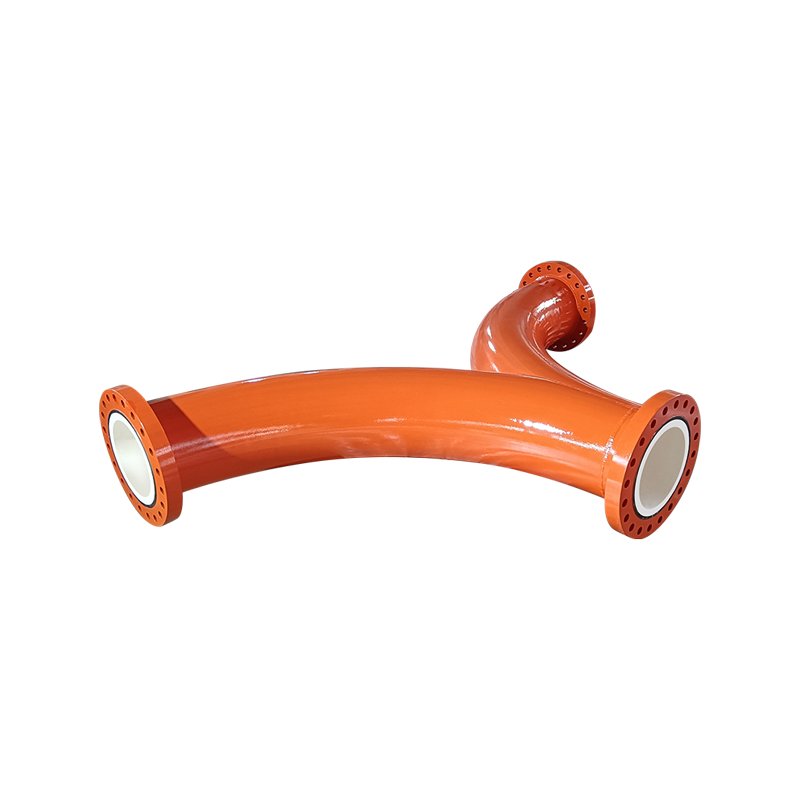
Understanding wear mechanisms allows engineers to design more reliable piping systems by combining material selection with structural modifications. For instance, using gradual bends instead of sharp elbows reduces the angle of particle impact, lowering erosion rates. Similarly, applying internal coatings can mitigate both abrasion and corrosion simultaneously.
Slurry transport systems often rely on a combination of abrasion resistant pipes and protective liners to balance cost with performance. In chemical industry applications, where corrosion is a primary concern, HDPE pipes or epoxy-coated steel pipes are favored. Mining operations frequently use ceramic lined pipes or basalt lined pipes to withstand heavy abrasion and erosion from mineral slurries.
The maintenance strategy also depends on wear mechanisms. Regular inspections, monitoring wall thickness, and applying timely pipe coatings ensure that wear does not lead to unexpected failures. Centrifuge-like methods are sometimes used in laboratory tests to simulate slurry erosion and predict how different pipe materials perform under controlled conditions.
Key Materials Used in Wear-Resistant Pipes
Introduction to Materials in Wear-Resistant Pipes
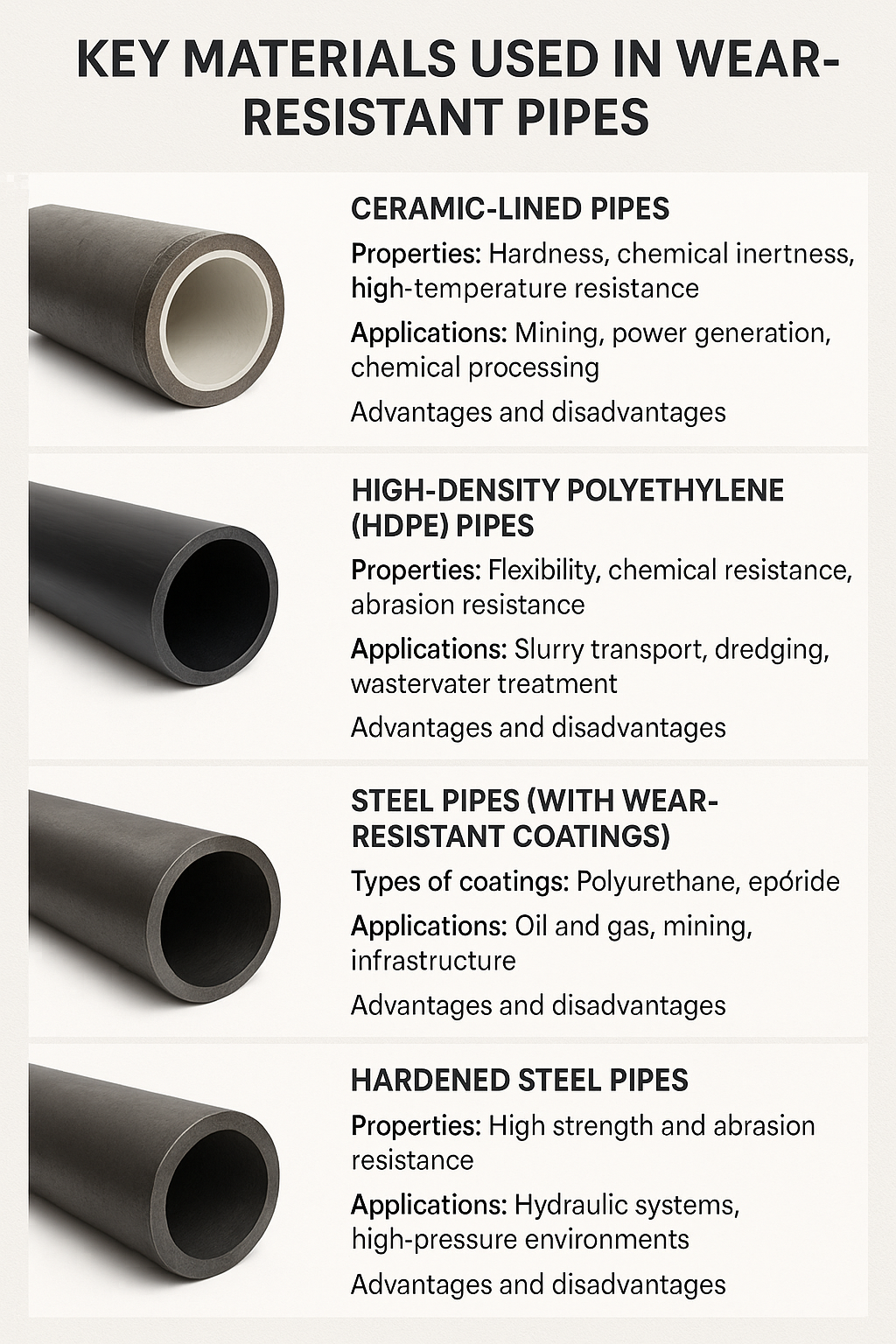
Wear-resistant pipes are essential components in industries that handle abrasive or erosive media such as mining, power generation, dredging, oil and gas, and chemical processing. These pipes are specifically designed to resist damage caused by abrasion, erosion, corrosion, and impact, ensuring long-term operational efficiency and reducing downtime. Various pipe materials and designs are employed to achieve this goal, including ceramic lined pipes, HDPE pipes, steel pipes with specialized coatings, hardened steel pipes, and basalt lined pipes. Each of these materials has unique properties that influence its performance in different industrial conditions, and their selection depends on factors such as slurry transport requirements, chemical environment, temperature, and expected wear rate.
Ceramic-Lined Pipes
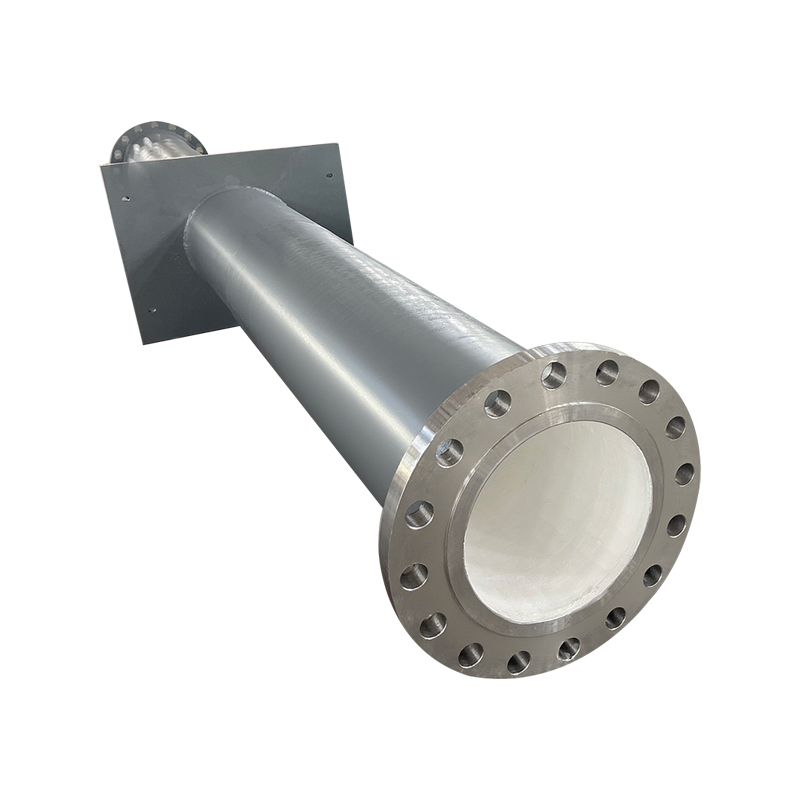
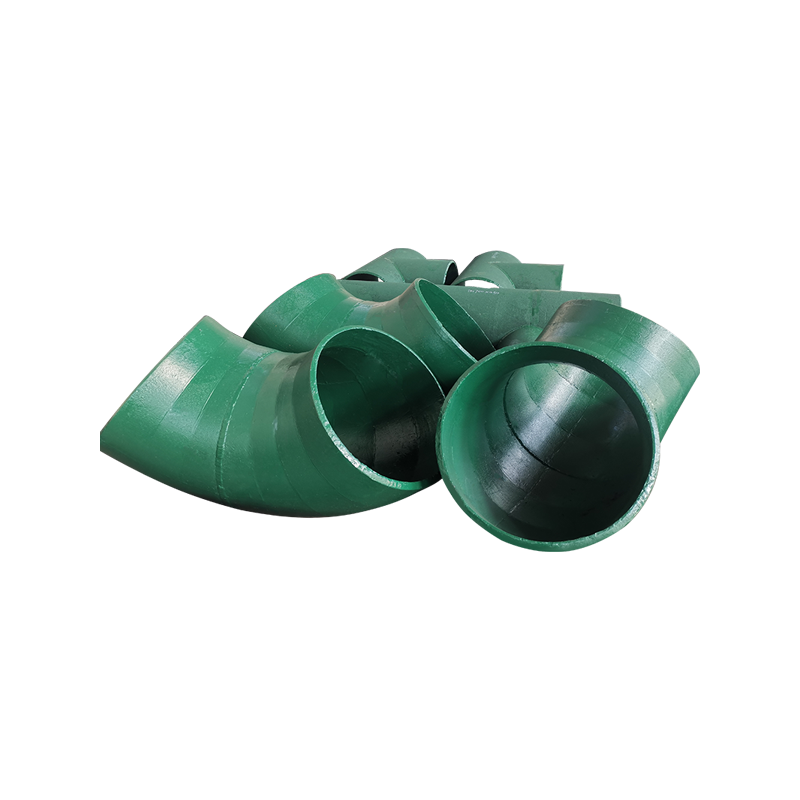
Ceramic lined pipes are known for their extreme hardness, chemical inertness, and resistance to high temperatures. They typically consist of a steel or alloy outer pipe with an internal lining of ceramic tiles or layers bonded using advanced adhesives or welding techniques. The ceramic material provides abrasion resistance, while the outer shell ensures mechanical strength and structural stability.
Applications of ceramic lined pipes include mining operations where abrasive slurries are transported, power generation plants handling fly ash, and chemical processing facilities where both erosion and chemical corrosion occur. Their advantages include long service life in abrasive conditions, excellent performance in high-temperature environments, and reduced maintenance. However, disadvantages include higher initial costs and potential brittleness under heavy impact loads.
|
Feature |
Ceramic Lined Pipes |
|
Properties |
Hardness, chemical inertness, high-temperature resistance |
|
Applications |
Mining, power generation, chemical processing |
|
Advantages |
Long service life, handles abrasion, reduced maintenance |
|
Disadvantages |
High cost, brittle under impact |
High-Density Polyethylene (HDPE) Pipes
HDPE pipes are widely used in industries where flexibility, chemical resistance, and moderate abrasion resistance are required. Unlike ceramic lined pipes, HDPE pipes are lightweight and easier to install. They are resistant to many chemicals and can operate in environments where corrosion from aggressive fluids would degrade metal pipes.
In slurry transport, dredging, and wastewater treatment, HDPE pipes offer benefits such as resistance to scaling, smooth internal surfaces that reduce pressure loss, and adaptability in harsh outdoor conditions. Their advantages include low weight, flexibility, and ease of handling. The disadvantages are lower mechanical strength compared to steel pipes and limitations in high-temperature applications.
|
Feature |
HDPE Pipes |
|
Properties |
Flexibility, chemical resistance, abrasion resistance |
|
Applications |
Slurry transport, dredging, wastewater treatment |
|
Advantages |
Lightweight, easy installation, corrosion resistance |
|
Disadvantages |
Limited strength, not suitable for high temperatures |
Steel Pipes with Wear-Resistant Coatings
Steel pipes with wear-resistant coatings combine the structural strength of steel with the protective properties of coatings such as polyurethane, epoxy, or carbide. These coatings create a barrier between the slurry and the steel surface, reducing abrasion, erosion, and corrosion.
Polyurethane coatings provide flexibility and good abrasion resistance. Epoxy coatings offer chemical resistance and are suitable for environments with corrosive chemicals. Carbide coatings, on the other hand, are applied where extreme abrasion resistance is needed. Applications include oil and gas pipelines, mining slurry pipelines, and infrastructure projects requiring durable transport systems.
Their advantages include a balance between strength and protective performance, versatility in different environments, and cost-effectiveness compared to ceramic or basalt lined pipes. Disadvantages involve the need for periodic coating inspections, potential coating degradation, and repair challenges in remote environments.
|
Coating Type |
Properties |
Applications |
|
Polyurethane |
Flexible, abrasion resistant |
Mining slurry transport |
|
Epoxy |
Chemical resistance |
Chemical industry pipelines |
|
Carbide |
Extreme hardness |
Oil and gas, high abrasion processes |
Hardened Steel Pipes
Hardened steel pipes are manufactured through heat treatment or alloying processes that enhance their hardness and abrasion resistance. Unlike coated steel pipes, the wear resistance in hardened steel pipes is inherent to the material itself, reducing reliance on external coatings.
They are widely used in hydraulic systems, high-pressure environments, and industries where both abrasion and structural strength are crucial. Their properties include high strength, resistance to deformation under impact, and suitability for environments involving both abrasion and pressure.
Advantages of hardened steel pipes include durability in harsh working conditions, ability to withstand high-pressure loads, and reduced wear rate compared to conventional steel pipes. However, disadvantages involve higher costs of production, susceptibility to corrosion without protective coatings, and greater weight compared to polymer-based alternatives.
|
Feature |
Hardened Steel Pipes |
|
Properties |
High strength, abrasion resistance |
|
Applications |
Hydraulic systems, high-pressure pipelines |
|
Advantages |
Strong, impact resistant, durable |
|
Disadvantages |
Corrosion risk, heavy weight, costly |
Basalt Lined Pipes
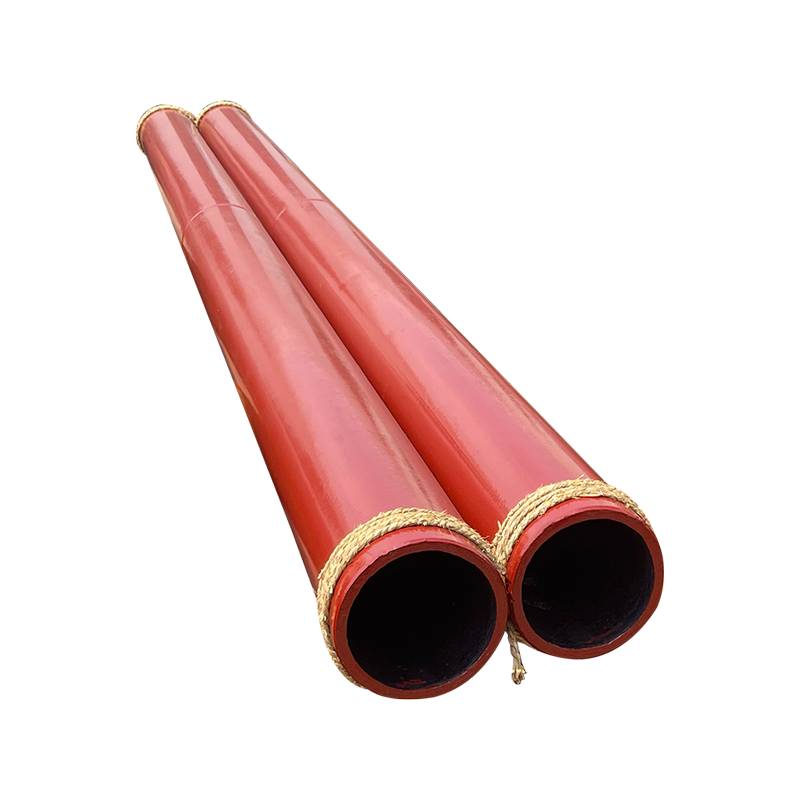
Basalt lined pipes are made by lining steel or other structural pipes with basalt material, a volcanic rock known for extreme hardness and excellent resistance to abrasion. Basalt has properties similar to ceramics but offers a unique balance of strength and wear resistance.
These pipes are often used in mining, cement plants, and other heavy-duty industrial applications where pipelines transport abrasive slurry. They are particularly effective in high-wear environments and provide a long service life with minimal maintenance.
Advantages of basalt lined pipes include resistance to abrasive wear, suitability for high-temperature environments, and durability in continuous use. Disadvantages include limited impact resistance compared to steel and challenges in manufacturing and installation.
|
Feature |
Basalt Lined Pipes |
|
Properties |
Extreme hardness, abrasion resistance |
|
Applications |
Mining, cement plants, high-wear industries |
|
Advantages |
Long service life, high-temperature capability |
|
Disadvantages |
Brittle, installation complexity |
Comparative Analysis of Key Pipe Materials
The choice of pipe materials depends heavily on the type of wear mechanism, operating environment, and cost considerations. Ceramic lined pipes offer high abrasion resistance but are brittle, HDPE pipes provide lightweight flexibility but have strength limitations, steel pipes with coatings offer balance but require maintenance, hardened steel pipes deliver structural strength but risk corrosion, and basalt lined pipes excel in high abrasion environments but are brittle.
|
Material |
Abrasion Resistance |
Corrosion Resistance |
Temperature Capability |
Strength |
Flexibility |
|
Ceramic Lined Pipes |
High |
High |
High |
Moderate |
Low |
|
HDPE Pipes |
Moderate |
High |
Low |
Low |
High |
|
Steel Pipes with Coatings |
Moderate to High |
Depends on coating |
Moderate |
High |
Moderate |
|
Hardened Steel Pipes |
High |
Low (unless coated) |
High |
Very High |
Low |
|
Basalt Lined Pipes |
Very High |
Moderate |
High |
Moderate |
Low |
Applications of Wear-Resistant Pipes Across Industries
Introduction to Industrial Applications
Wear-resistant pipes are essential in industries that handle abrasive, erosive, or corrosive materials. Their design and material selection play a critical role in reducing downtime, extending pipeline lifespan, and ensuring operational efficiency. Common types of wear-resistant pipes include ceramic lined pipes, HDPE pipes, steel pipes with coatings, hardened steel pipes, and basalt lined pipes. Each industry utilizes these pipes according to the nature of the transported medium, expected wear conditions, and operational requirements. Key applications span mining, power generation, chemical processing, oil and gas, wastewater treatment, and dredging operations.
Mining Applications
In the mining industry, wear-resistant pipes are primarily used for slurry transport, tailings management, and the handling of abrasive minerals. Mining slurries often contain large quantities of hard particles, making abrasion and erosion critical concerns.
Ceramic lined pipes are often employed due to their hardness and resistance to both abrasion and chemical corrosion. HDPE pipes are used in some lower-pressure slurry transport scenarios due to their flexibility and resistance to chemical attack. Steel pipes with polyurethane or carbide coatings provide additional protection where mechanical strength is also required. Hardened steel and basalt lined pipes are selected for heavy-duty operations that involve highly abrasive materials such as iron ore or bauxite. Proper material selection ensures continuous operation and minimizes maintenance costs in environments where pipeline wear is frequent.
|
Industry |
Pipe Type |
Application |
|
Mining |
Ceramic Lined, HDPE, Steel Coated, Hardened Steel, Basalt |
Slurry transport, tailings management |
Power Generation Applications
Power generation facilities, particularly coal-fired plants, face significant wear and erosion challenges due to the transport of coal, ash, and fly ash. Wear-resistant pipes are used to convey these materials from storage to combustion or disposal systems.
Steel pipes with epoxy or carbide coatings are common for handling coal and ash mixtures because they combine mechanical strength with abrasion resistance. Ceramic lined pipes may also be used in ash disposal systems where high-temperature resistance is necessary. HDPE pipes are less common in high-temperature scenarios but may be applied in auxiliary low-temperature slurry transport systems. By implementing wear-resistant pipes, power plants can maintain steady operation while reducing downtime caused by pipe failures.
|
Industry |
Pipe Type |
Application |
|
Power Generation |
Steel Coated, Ceramic Lined |
Coal handling, ash disposal |
Chemical Processing Applications
Chemical processing facilities handle abrasive and corrosive fluids that can rapidly degrade standard piping. Wear-resistant pipes in this sector are selected not only for abrasion resistance but also for chemical compatibility.
HDPE pipes are frequently used for transporting chemical slurries due to their corrosion resistance. Ceramic lined pipes offer protection in cases where abrasive particulate suspensions are present, while steel pipes coated with polyurethane, epoxy, or carbide provide a balance between abrasion and corrosion resistance. Hardened steel pipes may be used in high-pressure chemical transfer systems. Proper selection and installation of wear-resistant pipes help maintain process efficiency, minimize leakage, and ensure compliance with safety standards.
|
Industry |
Pipe Type |
Application |
|
Chemical Processing |
HDPE, Ceramic Lined, Steel Coated, Hardened Steel |
Corrosive fluid transfer, abrasive media |
Oil and Gas Applications
In oil and gas operations, wear-resistant pipes are critical for pipeline protection and erosion control, especially in sections transporting multiphase fluids containing sand, sediment, or water.
Steel pipes with carbide or polyurethane coatings are frequently utilized to protect against erosion caused by high-velocity flows. Hardened steel pipes may also be employed in high-pressure pipelines or risers. HDPE pipes find use in low-pressure or temporary installations, offering corrosion resistance and flexibility. The application of wear-resistant pipes ensures operational safety, reduces maintenance frequency, and extends the service life of pipelines in environments where erosion can lead to costly downtime or environmental hazards.
|
Industry |
Pipe Type |
Application |
|
Oil and Gas |
Steel Coated, Hardened Steel, HDPE |
Pipeline protection, erosion control |
Wastewater Treatment Applications
Wastewater treatment plants handle abrasive sludges, chemical additives, and contaminated water streams that can degrade standard pipes. Wear-resistant pipes are widely used for sludge handling, chemical dosing lines, and transport of grit or abrasive solids.
HDPE pipes are commonly used due to their corrosion resistance and ability to handle moderate abrasive media. Steel pipes with epoxy or polyurethane coatings are applied where mechanical strength is needed. Ceramic lined pipes may be used in highly abrasive sludge transport lines. The use of wear-resistant pipes in wastewater treatment minimizes the risk of leaks, reduces maintenance requirements, and ensures consistent plant operation.
|
Industry |
Pipe Type |
Application |
|
Wastewater Treatment |
HDPE, Steel Coated, Ceramic Lined |
Sludge handling, chemical dosing |
Dredging Applications
Dredging operations involve the transport of sand, silt, and other abrasive materials from water bodies. Wear-resistant pipes are essential to maintain continuous operation and avoid frequent pipe replacement.
HDPE pipes are widely used due to their flexibility, lightweight nature, and corrosion resistance in water environments. Ceramic lined pipes can be applied in highly abrasive dredging operations, while steel pipes with carbide or polyurethane coatings are chosen for high-pressure dredging lines. Hardened steel pipes are selected where mechanical impact from debris is significant. Appropriate pipe selection enhances operational efficiency, reduces downtime, and protects equipment from excessive wear.
|
Industry |
Pipe Type |
Application |
|
Dredging |
HDPE, Ceramic Lined, Steel Coated, Hardened Steel |
Transporting abrasive materials |
Comparative Summary Across Industries
Different industries have specific requirements that dictate the selection of wear-resistant pipe materials. Mining and dredging prioritize abrasion resistance and structural strength, power generation emphasizes thermal and abrasion resistance, chemical processing requires corrosion and abrasion resistance, oil and gas needs erosion control and high-pressure handling, while wastewater treatment focuses on chemical and abrasion resistance. The combined use of ceramic lined, HDPE, steel coated, hardened steel, and basalt lined pipes allows industries to tailor pipeline solutions to their specific operational demands.
|
Industry |
Key Wear Mechanisms |
Recommended Pipe Types |
|
Mining |
Abrasion, impact |
Ceramic Lined, Steel Coated, Hardened Steel, Basalt |
|
Power Generation |
Abrasion, high temperature |
Steel Coated, Ceramic Lined |
|
Chemical Processing |
Corrosion, abrasion |
HDPE, Ceramic Lined, Steel Coated |
|
Oil and Gas |
Erosion, abrasion |
Steel Coated, Hardened Steel, HDPE |
|
Wastewater Treatment |
Abrasion, chemical |
HDPE, Steel Coated, Ceramic Lined |
|
Dredging |
Abrasion, impact |
HDPE, Ceramic Lined, Steel Coated, Hardened Steel |
Factors to Consider When Selecting Wear-Resistant Pipes
Type of Material Being Conveyed
The type of material that will flow through wear-resistant pipes is a primary factor in determining the appropriate pipe material and design. Abrasive materials such as sand, slurry, ores, or coal can significantly increase the wear rate, while corrosive chemicals like acids, alkalis, or salt solutions pose a different set of challenges.
Ceramic lined pipes are highly effective for conveying abrasive slurries or powders because of their extreme hardness and resistance to both abrasion and chemical corrosion. HDPE pipes provide chemical resistance and moderate abrasion resistance, making them suitable for corrosive fluids or low-abrasion slurries. Steel pipes with wear-resistant coatings, such as polyurethane, epoxy, or carbide, are commonly selected for materials requiring both structural strength and abrasion resistance. Hardened steel pipes are ideal for heavy-duty slurries, while basalt lined pipes are suitable for highly abrasive or erosive materials in mining and cement industries. Understanding the wear and chemical characteristics of the transported material is crucial for selecting a pipe that balances longevity, safety, and performance.
|
Material Type |
Recommended Pipe Types |
Key Considerations |
|
Abrasive slurry |
Ceramic Lined, Basalt Lined, Hardened Steel |
High abrasion resistance, minimal wear |
|
Corrosive liquids |
HDPE, Ceramic Lined, Epoxy Coated Steel |
Chemical resistance, minimal corrosion |
|
High-impact solids |
Hardened Steel, Steel Coated |
Mechanical strength, impact resistance |
Operating Pressure and Temperature
Operating pressure and temperature play a critical role in the selection of wear-resistant pipes. High-pressure applications require materials that can withstand internal stress without deformation, while high-temperature conditions may affect chemical stability and structural integrity.
Steel pipes, particularly those with wear-resistant coatings or hardened steel variants, are commonly used in high-pressure systems due to their mechanical strength. Ceramic lined pipes are suitable for high-temperature slurries and fluids because they maintain hardness and structural stability under elevated temperatures. HDPE pipes have limitations at higher temperatures and are typically used for moderate-temperature applications. Basalt lined pipes maintain resistance to erosion under high temperatures, making them suitable for abrasive hot media in industrial processes. Accurate assessment of pressure and temperature conditions ensures that the selected pipe will maintain safe operation and a prolonged service life.
|
Pressure/Temperature Range |
Recommended Pipe Types |
Advantages |
|
High pressure |
Steel Coated, Hardened Steel |
Structural integrity, impact resistance |
|
High temperature |
Ceramic Lined, Basalt Lined |
Thermal stability, abrasion resistance |
|
Moderate conditions |
HDPE, Epoxy Coated Steel |
Flexibility, corrosion resistance |
Chemical Environment
The chemical environment through which a pipe conveys material is a key determinant of material selection. Some chemicals may corrode metal pipes, degrade polymer linings, or cause reactions that reduce the lifespan of the pipe.
HDPE pipes are resistant to a wide range of acids, alkalis, and salts, making them suitable for chemically aggressive environments. Ceramic lined pipes offer excellent chemical inertness, ideal for transferring acidic or abrasive chemical slurries. Steel pipes with polyurethane or epoxy coatings provide combined abrasion and chemical resistance for fluids containing particulates and moderate chemical aggressiveness. Basalt lined pipes also maintain resistance against chemically aggressive fluids while resisting abrasion. Understanding the chemical compatibility of the pipe material with the conveyed substance is critical to prevent leaks, corrosion, and potential downtime.
|
Chemical Type |
Recommended Pipe Types |
Key Benefits |
|
Acidic or alkaline |
HDPE, Ceramic Lined |
Chemical inertness, corrosion resistance |
|
Abrasive chemical slurry |
Ceramic Lined, Steel Coated |
Abrasion resistance, chemical durability |
|
Corrosive solids |
Basalt Lined, Hardened Steel |
Combined abrasion and corrosion protection |
Installation Requirements
The installation environment can significantly affect the choice of wear-resistant pipe. Factors include pipeline layout, space limitations, weight restrictions, and ease of assembly.
HDPE pipes are lightweight, flexible, and easy to install, making them suitable for complex or confined piping layouts. Steel pipes with coatings or hardened steel pipes require welding or flanged connections and are preferred in permanent, high-pressure, or heavy-duty installations. Ceramic lined and basalt lined pipes, being more rigid and heavier, are typically used where high wear resistance outweighs ease of installation. The pipe’s design, joint type, and installation method must be compatible with the operational environment to ensure safety and reliability.
|
Installation Type |
Recommended Pipe Types |
Considerations |
|
Confined space |
HDPE |
Flexibility, light weight |
|
Permanent high-pressure |
Steel Coated, Hardened Steel |
Structural strength, welding capability |
|
High-wear areas |
Ceramic Lined, Basalt Lined |
Durability, support structure |
Budget Constraints
Cost is always a key consideration in selecting wear-resistant pipes. Initial material cost, installation expenses, and expected maintenance and replacement frequency all influence the total cost of ownership.
HDPE pipes are generally lower in cost and offer long-term savings through reduced maintenance in chemical or low-abrasion applications. Ceramic lined and basalt lined pipes may have higher upfront costs but provide long-term savings in highly abrasive applications by reducing downtime and replacement frequency. Steel pipes with polyurethane, epoxy, or carbide coatings provide a balance between initial cost and wear resistance. Hardened steel pipes, while costly, are suitable for high-impact or extreme abrasion applications. A careful assessment of material costs, operational longevity, and maintenance requirements helps industries optimize their investment in wear-resistant piping.
|
Budget Level |
Recommended Pipe Types |
Cost Considerations |
|
Low to medium |
HDPE |
Low initial cost, moderate maintenance |
|
Medium to high |
Steel Coated |
Balanced cost and durability |
|
High |
Ceramic Lined, Basalt Lined, Hardened Steel |
Long-term wear resistance, low replacement frequency |
Comparative Summary
Selecting the right wear-resistant pipe requires balancing multiple factors including material type, operating conditions, chemical environment, installation requirements, and budget. Table below summarizes key recommendations across these factors:
|
Factor |
Key Considerations |
Recommended Pipe Types |
|
Material conveyed |
Abrasive, corrosive, or high-impact |
Ceramic Lined, HDPE, Steel Coated, Hardened Steel, Basalt |
|
Operating pressure & temperature |
High pressure, high temperature |
Steel Coated, Hardened Steel, Ceramic Lined, Basalt Lined |
|
Chemical environment |
Acidic, alkaline, abrasive |
HDPE, Ceramic Lined, Steel Coated, Basalt |
|
Installation |
Confined, permanent, heavy-duty |
HDPE, Steel Coated, Hardened Steel, Ceramic Lined, Basalt |
|
Budget |
Low to high |
HDPE, Steel Coated, Ceramic Lined, Basalt, Hardened Steel |