Search
 русский
 Español
 عربى
عربى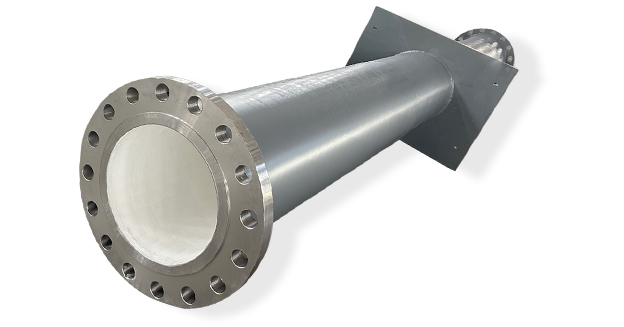
Introduction
In the demanding world of industrial operations, where the transport of abrasive materials is a daily challenge, the longevity and reliability of piping systems are paramount. From moving raw ore in a mining pit to conveying dredging spoils, standard pipes often succumb to the relentless forces of friction, erosion, and corrosion, leading to costly failures and unscheduled downtime. This is where wear-resistant pipes—also known as abrasion-resistant pipes—emerge as an indispensable solution. These specialized pipes are engineered with advanced materials and technologies to withstand the harshest conditions, ensuring continuous operation and significantly extending the lifespan of critical infrastructure.
The need for durable piping is a common thread that runs through a wide range of industries. The mining industry relies on wear-resistant pipes for the safe and efficient transport of abrasive slurries, such as coal, iron ore, and tailings. In dredging operations, these pipes are crucial for handling abrasive mixtures of sand, gravel, and silt. Similarly, chemical processing plants and power generation facilities utilize them to move corrosive and erosive materials, from acidic chemicals to coal ash.
This comprehensive guide is designed to be your ultimate resource for understanding the world of wear-resistant pipes. We will delve into the fundamental principles of wear resistance, explore the various materials available—including ceramic-lined pipes, HDPE, hardened steel alloys, and basalt-lined pipes—and provide a detailed overview of their specific applications. By the end of this article, you will have the knowledge to make an informed decision and select the right piping solution to achieve maximum longevity and performance for your unique operational needs.
What is Wear Resistance?
At its core, wear resistance is the ability of a material to withstand the gradual loss of substance from its surface due to mechanical or chemical action.In the context of industrial piping, this property is crucial for maintaining the structural integrity and operational efficiency of systems that transport abrasive and corrosive materials. Unlike a simple hardness rating, wear resistance is a complex phenomenon influenced by a combination of material properties and environmental factors. A pipe with excellent wear resistance can endure the constant friction and impact of moving particles, preventing premature failure, leaks, and the need for frequent and expensive replacements.
Types of Wear
Piping systems are subject to several distinct types of wear, each with its own destructive mechanism. Understanding these types is essential for selecting the right pipe material for a specific application.
-
Abrasive Wear: This is perhaps the most common form of wear in pipelines. It occurs when a hard, rough surface—or hard, angular particles—slides or rubs against a softer surface, causing a "cutting" or "plowing" action. In slurry transport, for example, the sharp edges of mineral particles like quartz or sand can continuously abrade the inner wall of a pipe, gradually reducing its thickness. Abrasive wear is highly dependent on the hardness of the particles being transported relative to the pipe material.
-
Erosive Wear: Also known as erosion-corrosion, this type of wear is caused by the high-velocity impact of solid particles or liquid droplets against the pipe's interior surface. It is particularly prevalent in bends, elbows, and other areas where the flow direction changes abruptly, causing particles to impinge on the pipe wall. The rate of erosive wear is directly related to the velocity, size, and shape of the particles, as well as the angle at which they strike the surface. While similar to abrasion, erosion is characterized by a more concentrated and impactful force.
-
Corrosive Wear: This type of wear is the result of a combined chemical and mechanical attack. It occurs when a corrosive fluid weakens the pipe material through chemical reactions, making it more susceptible to mechanical wear from friction or erosion. For instance, an acidic slurry might dissolve the protective oxide layer on a metal pipe, allowing abrasive particles to easily remove the now-exposed, softer metal beneath. Corrosive wear can also manifest as pitting, where localized corrosion creates small, deep holes in the pipe surface.
Factors Affecting Wear Resistance
The effectiveness of a wear-resistant pipe is not solely determined by its material; a number of operational and material-specific factors play a critical role.
-
Material Properties: The intrinsic properties of the pipe material are the primary determinants of its wear resistance. Key characteristics include hardness, toughness, and chemical inertness. Hardness (e.g., measured on the Brinell or Rockwell scale) is a material's resistance to indentation, and it is a good indicator of its ability to resist abrasive wear. However, a material that is too hard can be brittle and susceptible to fracture from impact. Therefore, toughness—a material's ability to absorb energy and deform without fracturing—is equally important. Chemical inertness, or resistance to chemical reactions, is vital in preventing corrosive wear.
-
Flow Velocity and Pressure: The speed and pressure of the fluid or slurry being transported have a direct impact on wear rates. Higher flow velocities increase the kinetic energy of the particles, leading to more aggressive erosive wear, especially at bends and turbulent sections. High pressure can also exacerbate wear by forcing particles against the pipe walls with greater force.
-
Particle Characteristics: The properties of the material being transported are a major factor. Particle size, hardness, and shape are all critical. Larger, more angular, and harder particles will cause significantly more wear than smaller, round, and softer ones. For example, a slurry of fine, spherical glass beads will be far less abrasive than a slurry of coarse, jagged rock fragments.
-
Temperature: High temperatures can affect the mechanical properties of some materials, reducing their hardness and making them more vulnerable to wear. In high-temperature applications, such as power generation or chemical processing, selecting a material that maintains its wear resistance at elevated temperatures is crucial.
Materials Used for Wear-Resistant Pipes
The selection of the right material is the single most critical factor in determining a pipe's ability to resist wear. The market offers a diverse range of specialized materials and composite solutions, each with a unique set of properties, advantages, and disadvantages. The choice depends on the specific type and severity of wear, the material being transported, and the operating conditions.
Ceramic Lined Pipes
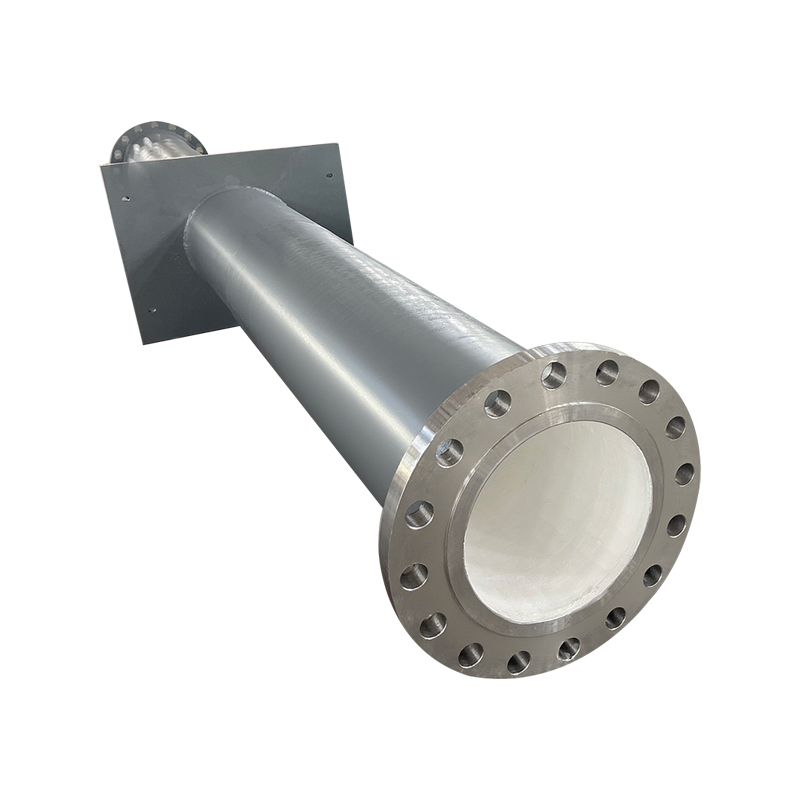
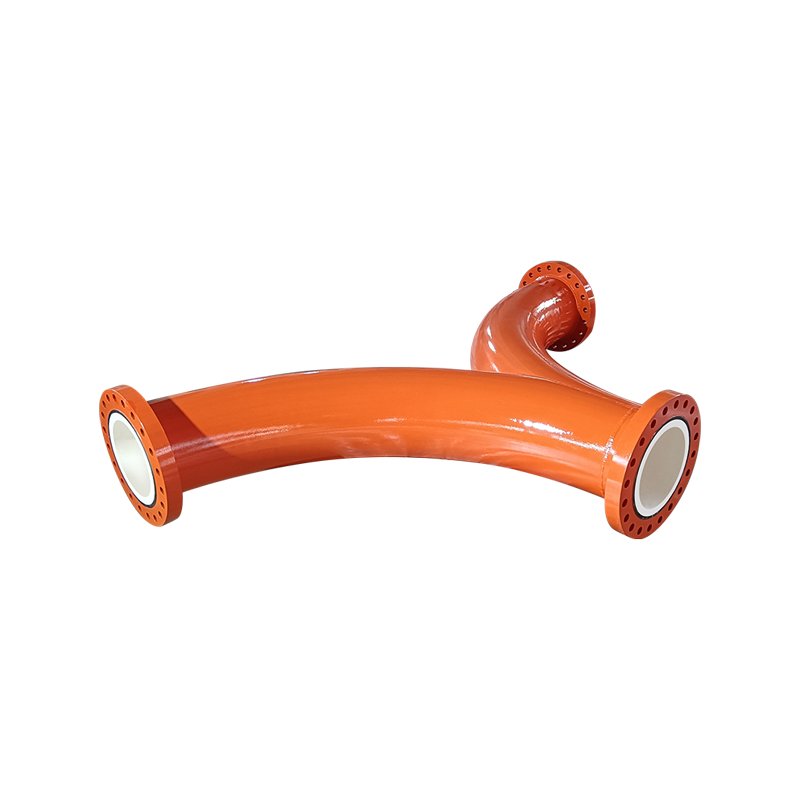
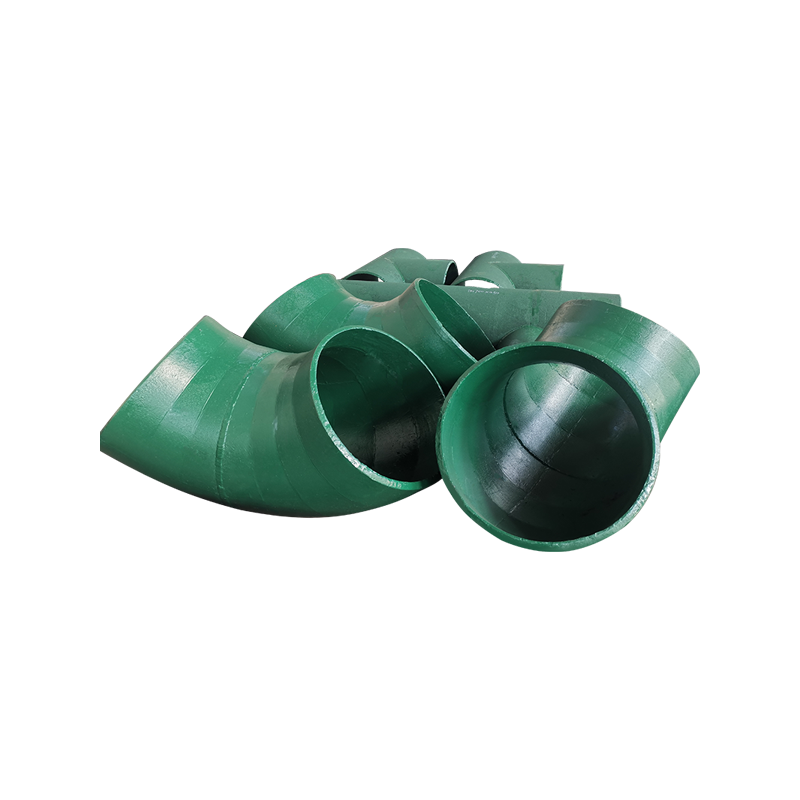
Ceramic-lined pipes are the gold standard for applications involving extreme abrasion and erosion. The lining is typically made of high-alumina ceramic, a material known for its exceptional hardness and chemical inertness.
-
Properties: Alumina ceramic has a hardness that is second only to diamond, far surpassing that of most metals and alloys. This extreme hardness makes it highly resistant to the abrasive action of hard, sharp particles. Ceramics are also chemically inert, providing excellent resistance to corrosion from acids, alkalis, and other aggressive chemicals.
-
Applications: Ceramic-lined pipes are a top choice in industries like mining, power generation (for handling fly ash), and cement manufacturing. They are particularly effective in high-velocity slurry transport and in areas of high impact, such as bends and elbows, where other materials would fail rapidly.
-
Advantages: Unmatched wear resistance, long service life, and excellent chemical and thermal resistance. Over their lifespan, the reduced maintenance and replacement costs often justify their higher initial investment.
-
Disadvantages: Ceramics are brittle and susceptible to cracking under sudden impact or thermal shock. The installation process is complex, and any damage to the lining can compromise the entire system.
High-Density Polyethylene (HDPE) Pipes
HDPE pipes are a versatile and cost-effective alternative to traditional metal pipes, especially in moderate abrasion environments. HDPE is a thermoplastic polymer known for its flexibility and excellent chemical resistance.
-
Properties: HDPE has a smooth internal surface, which reduces friction and allows for higher flow rates. While not as hard as ceramic or hardened steel, it has a low coefficient of friction and good resistance to low-velocity abrasion. Its key advantage is its chemical resistance, as it will not rust, corrode, or tuberculate.
-
Applications: HDPE pipes are widely used in dredging operations for transporting sand and gravel, as well as in chemical transport and wastewater treatment. Their flexibility makes them ideal for applications requiring pipe movement, such as floating pipelines.
-
Advantages: Lightweight, easy to install via heat fusion (creating a leak-proof system), excellent chemical resistance, and good flexibility. HDPE is also resistant to stress cracking and can withstand freezing and thawing cycles.
-
Disadvantages: Lower pressure and temperature ratings compared to steel pipes. In applications with high-velocity, high-impact abrasion, HDPE will wear down more quickly than harder materials. It is also more susceptible to UV degradation if not properly protected.
Steel Pipes with Abrasion-Resistant Coatings
For many industrial applications, a standard steel pipe can be enhanced with a specialized internal coating to improve its wear resistance. These coatings provide an economical solution for moderately abrasive environments.
-
Types of Coatings: Common coatings include epoxy, polyurethane, and specialized polymeric linings. Epoxy coatings offer good chemical resistance and moderate abrasion protection. Polyurethane, a more elastic polymer, provides better resistance to impact and sliding abrasion, making it suitable for slurries with sharp particles.
-
Applications: Coated steel pipes are used in a variety of industries, including water treatment, chemical processing, and some light-duty mining applications. They are often a good choice where both corrosion and moderate abrasion are a concern.
-
Advantages: Cost-effective, good corrosion protection, and can be applied to existing pipes. The coatings provide a smooth surface, which improves flow characteristics.
-
Disadvantages: The wear resistance of a coated pipe is dependent on the integrity of the coating. Once the coating is compromised, the underlying steel is exposed and vulnerable. Coatings can delaminate or crack under high-impact conditions.
Hardened Steel Alloys (e.g., AR400, AR500)
When the application demands a combination of extreme hardness and toughness, hardened steel alloys are the go-to choice. These alloys, such as AR400 and AR500, are specifically designed to resist abrasion and impact.
-
Properties: The "AR" stands for Abrasion Resistant. The number denotes the Brinell hardness rating (HBW), with a higher number indicating greater hardness. AR400 steel has a hardness of around 400 HBW, while AR500 is closer to 500 HBW. This heat-treated steel offers an excellent balance of hardness for abrasion resistance and toughness for impact resistance, preventing brittle fracture.
-
Applications: These pipes are the workhorses of the mining and quarrying industries, where they are used to transport large, hard, and sharp materials like rocks, ores, and gravel. They are also used in dredging and other heavy-duty applications.
-
Advantages: Exceptional resistance to both abrasion and impact, making them ideal for high-stress applications. They offer a long service life in the most demanding environments.
-
Disadvantages: Higher cost than standard steel. The extreme hardness can make them more difficult to cut, weld, and form, requiring specialized tools and techniques for installation and repair.
Basalt Lined Pipes
Basalt-lined pipes are a proven, cost-effective solution for specific types of wear. Basalt is a volcanic rock that is melted and centrifugally cast into pipe liners.
-
Properties: Cast basalt offers high hardness, chemical resistance, and a smooth surface. It provides excellent resistance to sliding abrasion. However, it is less effective against high-impact wear than ceramic or hardened steel.
-
Applications: Basalt-lined pipes are a common choice for transporting fine, abrasive powders like coal, cement, and ash. They are frequently used in coal-fired power plants and pneumatic conveying systems.
-
Advantages: A more economical alternative to ceramic liners, good resistance to sliding abrasion, and excellent chemical inertness.
-
Disadvantages: Basalt is brittle and can crack under significant impact. It has a lower wear resistance than alumina ceramic, and the thickness of the liner can be substantial, adding to the weight of the pipe.
Applications of Wear-Resistant Pipes
The demand for wear-resistant piping systems spans a wide array of industries, each with unique challenges and requirements. The ability to transport highly abrasive, erosive, and corrosive materials reliably is critical for operational efficiency, safety, and profitability. Here's a look at some of the key sectors where wear-resistant pipes are indispensable.
Mining Industry
The mining industry is arguably the largest and most intensive user of wear-resistant pipes.The process of extracting and processing minerals often involves moving large volumes of abrasive slurries—mixtures of solids and water—over long distances.
-
Transporting Abrasive Slurries: Mining operations rely on pipes to transport everything from raw ore from the mine face to a processing plant, to a finely ground concentrate, and eventually, to a tailings pond. Materials like iron ore, copper concentrate, and coal are highly abrasive due to their hardness and sharp, angular shapes. Pipes used in these applications must withstand continuous friction and impact.
-
Case Studies or Examples: In a large-scale iron ore mine in Western Australia, traditional steel pipes used for transporting iron ore slurry had to be replaced every 12 to 18 months due to severe abrasive wear. By switching to a combination of ceramic-lined pipes in high-wear areas (like bends) and hardened steel alloys (AR500) for straight sections, the mine was able to extend the lifespan of its piping system to over five years, significantly reducing maintenance costs and downtime. In another example, a coal processing plant successfully implemented basalt-lined pipes for its pneumatic conveying systems, which transport fine coal dust, reducing the wear and tear on its pipes and improving the consistency of its operations.
Dredging Operations
Dredging involves the removal of sediment and other materials from the bottom of a body of water, often for navigation, land reclamation, or resource extraction.The materials handled—sand, gravel, silt, and clay—are notoriously abrasive.
-
Handling Sand, Gravel, and Abrasive Materials: The suction and discharge pipelines used in dredging operations are subjected to extreme erosive wear due to the high-velocity flow of a mixture of water and coarse solids. The pipes must be tough enough to handle constant impact and abrasion while also being flexible enough to accommodate the movement of the dredge.
-
Specific Pipe Requirements: HDPE pipes are a popular choice in dredging due to their lightweight, flexibility, and resistance to corrosion from saltwater. For more demanding dredging jobs involving rocky materials, hardened steel pipes are often used. The combination of materials is common, with a more rigid, wear-resistant pipe for the main line and a flexible, reinforced rubber hose at the point of connection to the dredge.
Chemical Processing Plants
Chemical plants handle a wide range of corrosive and sometimes abrasive fluids.The pipes in these facilities must not only resist wear but also be chemically inert to prevent contamination and structural degradation.
-
Transporting Corrosive and Abrasive Chemicals: Many chemical processes involve the transport of slurries that are both abrasive and highly acidic or alkaline. For example, in the production of phosphoric acid, a slurry containing gypsum solids is moved through a piping system.
-
Importance of Chemical Compatibility: The selection of wear-resistant pipes in this sector is a dual-purpose decision. Materials like ceramic-lined pipes and HDPE are excellent choices because they offer both high abrasion resistance and chemical inertness, ensuring the pipe's integrity while preventing the transported chemicals from reacting with the pipe material. This dual capability is crucial for both safety and product purity.
Power Generation
The power generation industry, particularly fossil fuel power plants, relies heavily on wear-resistant pipes for the safe and efficient management of byproducts.
-
Handling Coal Ash Slurries: Coal-fired power plants produce a significant amount of fly ash and bottom ash, which are often mixed with water to form a slurry and transported to disposal ponds.This ash slurry is highly abrasive, particularly in bends and elbows where it impacts the pipe walls at high velocity.
-
High-Temperature Wear Resistance Requirements: In some parts of the plant, such as the bottom ash sluice systems, the slurries can be at elevated temperatures. This adds another layer of complexity, as the pipe material must maintain its wear resistance and structural integrity under heat. Basalt-lined pipes have long been a preferred solution for ash handling due to their excellent resistance to sliding abrasion and their ability to withstand the temperatures of these slurries. Ceramic-lined pipes are also used in critical, high-wear areas to maximize pipe life.
Factors to Consider When Choosing Wear-Resistant Pipes
Selecting the right wear-resistant pipe is a complex decision that goes beyond simply choosing the hardest material. A holistic approach that considers a variety of operational, financial, and logistical factors is essential to ensure long-term performance and cost-effectiveness. A misstep in selection can lead to premature pipe failure, costly downtime, and increased maintenance expenses.
Abrasiveness of the Material Being Transported
This is the most critical factor and the starting point for any selection process. The nature of the material being conveyed directly dictates the level of wear resistance required.
-
Particle Size, Hardness, and Shape:
-
Particle Size: Larger particles generally cause more impact wear and greater frictional forces, necessitating tougher pipe materials. Fine particles, while less impactful, can still cause significant wear over time through continuous abrasion.
-
Hardness: The hardness of the particles relative to the pipe material is a key indicator of wear. A slurry with hard quartz or alumina particles will require a much harder pipe surface, such as ceramic or hardened steel, than a slurry of softer materials like limestone or mud.
-
Shape: Angular, sharp-edged particles cause more cutting and gouging than round or spherical particles. Abrasive materials with jagged shapes will quickly degrade softer pipe materials.
-
Flow Velocity and Pressure
The dynamics of the fluid or slurry flow play a significant role in determining wear rates.
-
Impact on Erosion Rates: As flow velocity increases, the kinetic energy of the particles rises exponentially. This leads to a dramatic increase in erosive wear, particularly in bends, elbows, and other areas of turbulence. In high-velocity applications, a highly erosion-resistant material like ceramic or hardened steel is often mandatory. Lower-velocity applications may be able to utilize less expensive materials like coated steel or HDPE.
-
Pressure: While not as directly related to wear as velocity, high pressure can exacerbate wear by forcing particles against the pipe walls with greater force. The pipe material must also be able to withstand the internal pressure without deforming or failing.
Chemical Compatibility
For many industrial applications, pipes must be resistant to both mechanical wear and chemical attack.
-
Resistance to Corrosion and Chemical Attack: A material may have excellent abrasive wear resistance but fail rapidly if it is not compatible with the chemicals in the fluid. For instance, a hardened steel pipe in an acidic environment could corrode quickly, compromising its structural integrity. Conversely, a plastic pipe that is chemically resistant might not be durable enough for abrasive service. The solution often involves a material that offers both properties, such as ceramic-lined pipes or HDPE, or a combination of materials where an inert liner protects a stronger outer shell.
Temperature
The operating temperature of the fluid or environment can significantly affect the properties of the pipe material.
-
Effect on Material Properties: Many materials lose hardness and toughness at high temperatures, making them more susceptible to wear. For example, some polymers and coatings may soften or degrade. In high-temperature applications like ash handling in power plants or certain chemical processes, materials like basalt or specific ceramics that maintain their properties under heat are required. It is crucial to verify that the chosen pipe material's specifications meet the maximum operating temperature of the application.
Cost
The financial aspect of pipe selection must consider both the initial investment and the long-term operational costs.
-
Initial Cost vs. Long-Term Cost (Maintenance, Replacement): While a ceramic-lined pipe may have a high initial purchase price, its exceptional longevity and low maintenance requirements can result in a lower total cost of ownership over the project's lifecycle. In contrast, a less expensive HDPE pipe might need more frequent replacement in a highly abrasive environment, leading to significant ongoing costs for new materials, labor, and downtime. A thorough cost-benefit analysis is essential to make an economically sound decision.
Installation and Maintenance
The practicalities of installing and maintaining the piping system are often overlooked but are vital for a successful project.
-
Ease of Installation, Repair, and Maintenance Requirements: Some materials, like HDPE, are lightweight and can be easily joined via heat fusion, simplifying installation. Hardened steel pipes, however, require specialized welding techniques and equipment. The ease of repair is also a key consideration. A crack in a ceramic liner might require a full section replacement, while a worn steel pipe might be repaired with a patch or a sleeve. Planning for routine inspections and maintenance from the outset can help in extending the life of the pipes and preventing catastrophic failures.
Installation and Maintenance Tips
The performance and longevity of a wear-resistant piping system are not solely dependent on the material chosen; they are also heavily influenced by proper installation and a diligent maintenance program. Even the most durable pipe can fail prematurely if it is installed incorrectly or neglected. Adhering to best practices for installation and establishing a proactive maintenance schedule are crucial for maximizing the return on investment and ensuring continuous, reliable operation.
Proper Installation Techniques to Minimize Stress and Wear
-
Align and Support Pipes Correctly: Proper alignment of pipe sections is paramount. Misaligned joints create turbulence and uneven flow, which can lead to accelerated localized wear, especially at the connection points. All pipes, regardless of material, should be adequately supported to prevent sagging, bending, or excessive vibration. This is particularly important for heavy pipes like those with basalt or ceramic linings, which require robust support structures to prevent stress on the pipe body and joints.
-
Minimize Bends and Direction Changes: Every bend, elbow, or T-junction is a potential high-wear zone due to the change in flow direction. Where possible, design the pipeline with the fewest number of turns. When bends are necessary, use a larger radius to create a more gradual change in direction. This reduces the impact angle of particles on the inner pipe wall, significantly lowering the rate of erosive wear.
-
Ensure Smooth Internal Surfaces at Joints: The internal surface of the pipe must be as smooth and continuous as possible at all joints. Any step or gap, no matter how small, can create a point of turbulence and a target for concentrated wear. For materials like HDPE, heat fusion joining creates a seamless, monolithic pipe. For flanged or mechanical joints, ensure that the inner surfaces are perfectly aligned and that any gaskets or seals do not protrude into the flow stream.
-
Follow Manufacturer's Guidelines: Each pipe material and jointing system has specific installation requirements. Always follow the manufacturer's recommendations for welding hardened steel, fusing HDPE, or assembling ceramic-lined segments. Using the correct tools and techniques will ensure the integrity of the pipe and prevent internal stresses that could lead to early failure.
Regular Inspection and Maintenance Schedules
A proactive inspection schedule is the most effective way to prevent catastrophic failure and unplanned downtime. Wear is a gradual process, and early detection of wear patterns or damage can allow for timely repairs or replacements.
-
Visual Inspections: Conduct regular visual checks of the entire piping system. Look for signs of external wear, leaks, or stress points. Pay special attention to high-wear areas like bends, elbows, and junctions. External bulging or changes in the pipe’s surface can indicate internal wear.
-
Wall Thickness Monitoring: For metal pipes, non-destructive testing methods like ultrasonic wall thickness measurement are invaluable. By regularly checking the thickness of the pipe wall at various points, particularly in high-wear zones, you can accurately track the wear rate and predict when a pipe section will need to be replaced. This allows for scheduled, planned maintenance rather than an emergency shutdown.
-
Pressure and Flow Monitoring: Monitoring changes in pressure drop or flow rate can be an early indicator of internal wear. A significant change could signal an increased internal roughness due to material loss or an impending blockage.
-
Documentation and Data Analysis: Keep detailed records of all inspections, wall thickness measurements, and repairs. Analyzing this data over time can help identify which parts of the system are wearing fastest, allowing for optimization of the pipe material selection in the future and providing valuable insights into the pipeline’s performance.
Repair Methods for Different Types of Wear
-
Steel Pipes: For hardened steel and coated pipes, minor wear can sometimes be repaired by welding a patch or applying a new coating to the affected area. However, severe wear often necessitates the replacement of the entire pipe section. It's crucial to use the correct welding materials and procedures to maintain the pipe's properties.
-
HDPE Pipes: Damage to HDPE pipes can often be repaired by cutting out the damaged section and fusing in a new piece. This is one of the major advantages of HDPE. Small punctures can sometimes be repaired with a specialized patch.
-
Lined Pipes (Ceramic, Basalt): Repairing lined pipes is more complex. Small chips or cracks in the lining can sometimes be filled with a wear-resistant epoxy or grout. However, significant damage to the liner typically requires the replacement of the entire pipe section, as the integrity of the lining is paramount to its function.
By implementing these installation and maintenance tips, operators can significantly extend the life of their wear-resistant pipes, reduce total cost of ownership, and ensure the reliability and safety of their industrial processes.
Case Studies
Real-world examples provide the most compelling evidence of the value of wear-resistant pipes. By examining successful implementations, we can see how the right material selection and strategic application lead to significant cost savings, reduced downtime, and improved operational efficiency. These case studies highlight the tangible benefits of moving beyond standard piping solutions.
Case Study 1: Abrasive Tailings Transport in a Gold Mine
Challenge: A major gold mining company was experiencing severe wear and tear on the steel pipelines used to transport abrasive tailings slurry from the processing plant to the tailings storage facility. The slurry contained finely ground rock and sand particles, which acted like sandpaper on the inner pipe walls. The average lifespan of a pipe section was only 10 to 12 months, leading to frequent and costly pipe replacements, significant maintenance downtime, and a constant safety risk from potential pipe failures.
Solution: The company conducted a thorough analysis of its operational conditions, including slurry particle size, flow velocity, and pH. Based on the data, they decided to upgrade their system by replacing the standard steel pipes with a combination of ceramic-lined pipes and hardened steel alloy (AR500) pipes. The ceramic-lined pipes were strategically installed in high-wear areas, particularly at the pump discharge and at all bends and elbows. The straight sections of the pipeline, which experienced less severe but still significant wear, were replaced with AR500 steel pipes for a balance of durability and cost.
Results:
-
Increased Lifespan: The new piping system's lifespan was extended to over four years, a remarkable fourfold increase.
-
Reduced Downtime: The number of unplanned shutdowns for pipe replacement was drastically reduced, allowing for a more consistent and reliable production schedule.
-
Cost Savings: While the initial investment for the specialized pipes was higher, the long-term cost savings were substantial. The company estimated that it saved hundreds of thousands of dollars annually on material costs, labor for replacement, and lost production time. This case study illustrates the principle that a higher initial cost can lead to a significantly lower total cost of ownership.
Case Study 2: Sand and Gravel Slurry in a Dredging Operation
Challenge: A dredging company operating in a major port was facing a persistent problem with its floating discharge pipeline. The pipes, which handled a highly abrasive slurry of sand, gravel, and silt, were wearing out in just a few months. The frequent replacement of pipe sections was not only expensive but also disrupted the dredging schedule, causing project delays and impacting profitability. The pipes also needed to be flexible enough to move with the dredge vessel.
Solution: After evaluating various options, the company chose to switch its pipeline to a series of connected High-Density Polyethylene (HDPE) pipes. They chose HDPE for its unique combination of properties:
-
Flexibility: The HDPE pipes could be easily articulated to follow the movement of the dredge and the changing contours of the waterway.
-
Abrasion Resistance: While not as hard as steel, HDPE's smooth inner surface and low coefficient of friction provided excellent resistance to the sliding abrasion of the sand and gravel.
-
Lightweight: HDPE's low weight made the pipe sections easier to handle and install, which was a major logistical advantage for a floating pipeline.
Results:
-
Extended Lifespan: The HDPE pipes lasted for over a year, more than doubling the lifespan of the previous steel pipes.
-
Improved Efficiency: The smooth internal bore of the HDPE pipes reduced friction, allowing for a higher flow rate and improving the overall efficiency of the dredging operation.
-
Simplified Installation and Maintenance: The pipes were joined using heat fusion, creating a seamless, leak-proof system that was easy to install and maintain. The lighter weight of the HDPE also reduced the strain on the support pontoons.
Case Study 3: Coal Ash Transport in a Power Plant
Challenge: A coal-fired power plant in the Midwest was dealing with excessive wear in its ash slurry transport lines. The high-velocity, high-temperature slurry of fly ash was causing rapid erosion, especially in the bends leading from the boiler house to the ash pond. The constant pipe failures were a major source of unplanned downtime and safety concerns.
Solution: The plant's engineers decided to test two different wear-resistant solutions in different sections of the pipeline. In the most critical, high-impact areas, they installed ceramic-lined pipes. For the longer, straight sections where the wear was less severe but still problematic, they opted for basalt-lined pipes, which offered a more cost-effective solution for sliding abrasion.
Results:
-
Drastic Reduction in Wear: The ceramic-lined pipes at the bends showed virtually no signs of wear after several years of operation, a stark contrast to the months-long lifespan of the old pipes.
-
Cost-Effective Solution: The use of basalt for the straight sections provided a durable solution at a lower cost than a full ceramic system. The combination of materials offered a tailored, cost-effective approach.
-
Enhanced Reliability: The plant was able to establish a predictable maintenance schedule, eliminating the risk of sudden pipe failures and the associated emergency repairs. The system’s reliability improved, contributing to a more stable power supply.
Future Trends in Wear-Resistant Piping
The landscape of wear-resistant piping is continuously evolving, driven by advancements in material science, manufacturing technologies, and data-driven insights. While traditional solutions like ceramic and hardened steel will remain staples, the future of the industry points toward innovative materials, smarter systems, and more sustainable practices.
Emerging Materials and Technologies
The search for the "perfect" wear-resistant material is an ongoing endeavor, with researchers and manufacturers exploring new compounds and composites that offer superior performance.
-
Hybrid Linings and Composites: A significant trend is the development of hybrid materials that combine the best properties of different substances. For example, new hybrid ceramic-polymer linings are being created to offer the extreme hardness of ceramic while providing the impact resistance of a polymer. These composite materials are designed to handle complex wear scenarios where both sliding abrasion and high-impact forces are present, a common occurrence in mining and dredging.
-
Nanostructured Materials: Nanotechnology is revolutionizing wear resistance by enabling the creation of materials with enhanced properties at the molecular level. Researchers are developing nanostructured steel alloys and coatings that exhibit unprecedented hardness and toughness. These materials, reinforced with nanoparticles like graphene or other advanced fillers, can drastically improve a pipe's lifespan without a significant increase in weight or cost.
-
Rare Earth Alloys: The use of rare earth elements in steel alloys is an emerging trend. These alloys, such as those containing cerium or dysprosium, can be engineered to have a fine-grained microstructure that significantly improves both wear resistance and toughness. This is particularly promising for applications in extreme environments where conventional alloys may fall short.
-
Advanced Thermoplastics and Composites: Beyond standard HDPE, a new generation of high-performance thermoplastics and composite pipes is being developed. These materials, often reinforced with glass or carbon fibers, offer a high strength-to-weight ratio, excellent corrosion resistance, and impressive durability. They are increasingly being used as trenchless replacement solutions, where a new pipe is pulled through an existing, degraded pipeline, minimizing environmental disruption and installation time.
Advancements in Coating Techniques
Coatings are becoming more sophisticated, moving beyond simple surface layers to complex, multi-functional systems.
-
Advanced Thermal Spray Coatings: Techniques like High-Velocity Oxygen Fuel (HVOF) and plasma spraying are used to apply dense, hard ceramic or metallic coatings to the inner surface of steel pipes. These coatings offer superior adhesion and a more uniform, robust protective layer compared to traditional methods.
-
Self-Healing and Smart Coatings: The most futuristic advancement is the development of self-healing coatings. These coatings contain microcapsules that release a sealant or protective agent when the surface is scratched or cracked, automatically repairing minor damage before it can lead to catastrophic failure. This technology promises to dramatically reduce maintenance requirements and extend the life of pipes in harsh environments.
-
Nanocoatings: The incorporation of nanoparticles into coatings is also improving their performance. Nanocoatings are ultra-thin and provide enhanced hardness, chemical resistance, and a super-smooth surface that reduces frictional wear.
Smart Pipe Monitoring Systems
The future of wear-resistant piping is not just about the materials themselves but also about how they are monitored and managed. The integration of smart technology is transforming pipes from passive components into active, data-gathering assets.
-
Embedded Sensors: Pipelines are being equipped with embedded sensors that can monitor critical parameters in real-time. Ultrasonic or magnetic thickness sensors can provide continuous data on wear rates, allowing operators to track the condition of the pipe wall with pinpoint accuracy.
-
Predictive Maintenance: By combining real-time sensor data with powerful AI-driven analytics, operators can move from a reactive to a predictive maintenance model. The system can predict when a pipe section is likely to fail, allowing maintenance crews to schedule replacements or repairs before a problem occurs. This data-driven approach minimizes unplanned downtime, reduces operational costs, and enhances safety.
-
Leak and Intrusion Detection: Smart pipes can also be equipped with fiber optic cables or other sensors that can detect leaks, changes in pressure, or even third-party intrusion (e.g., digging near the pipeline). This real-time monitoring capability provides an immediate alert to the control room, enabling a rapid response to potential threats.
The future of wear-resistant piping is characterized by an exciting convergence of material science, digital technology, and predictive analytics. These advancements will not only lead to pipes that are more durable and efficient but also to systems that are smarter, safer, and more sustainable.