Search
 русский
 Español
 عربى
عربى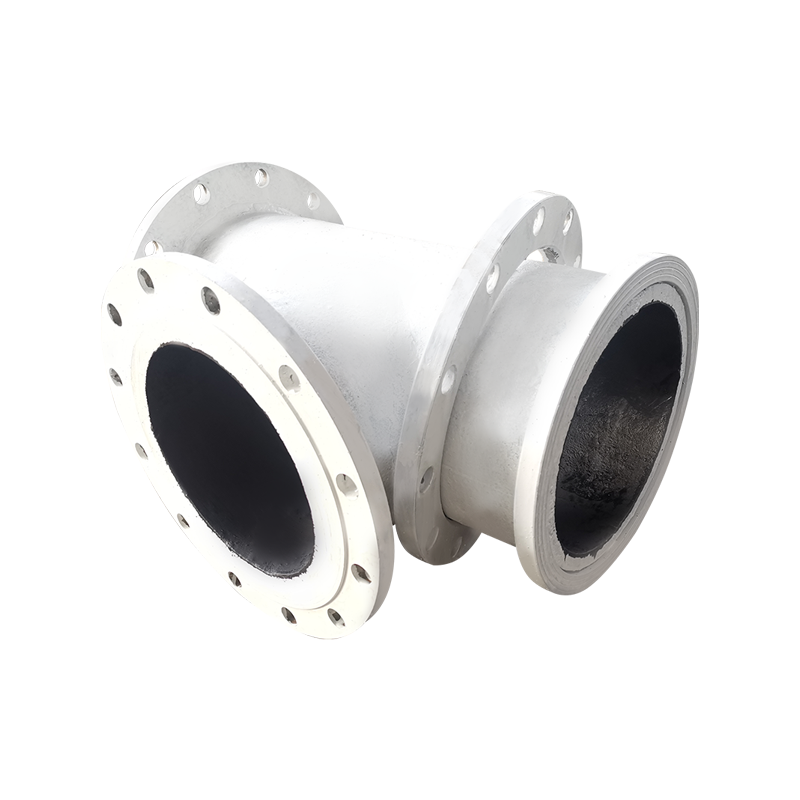
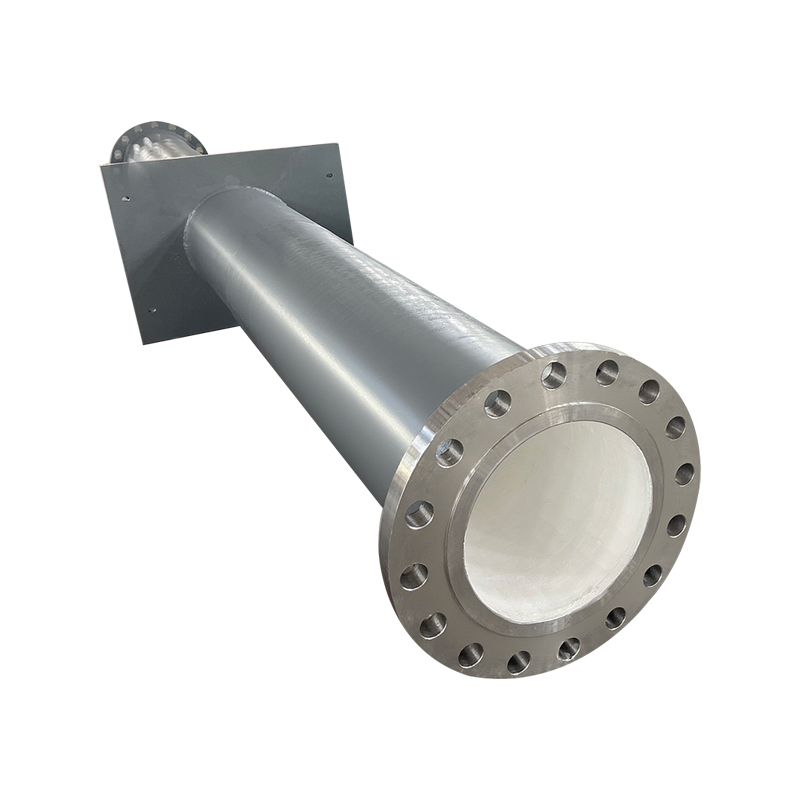
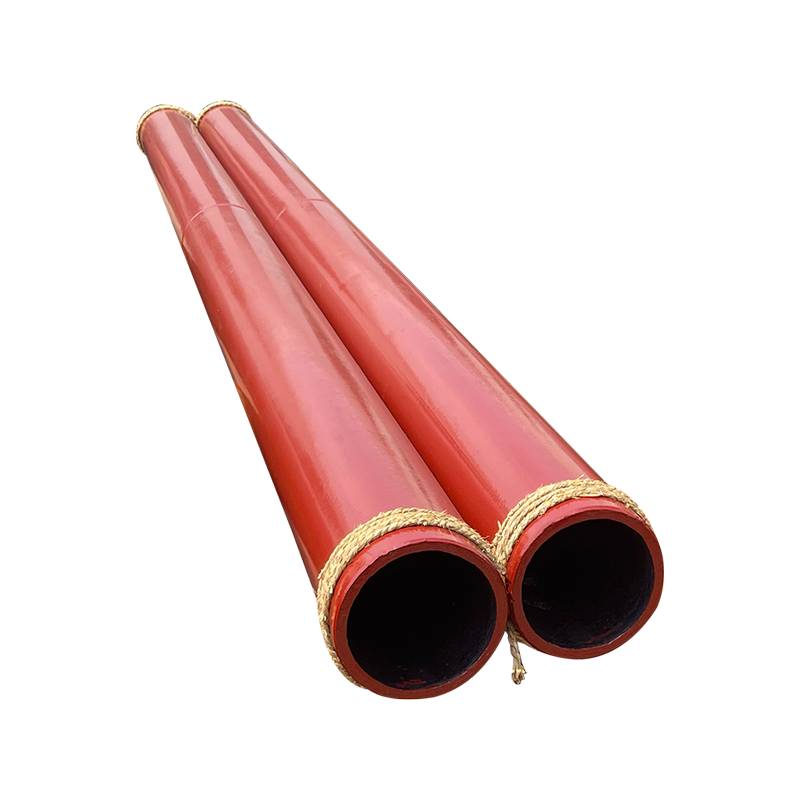
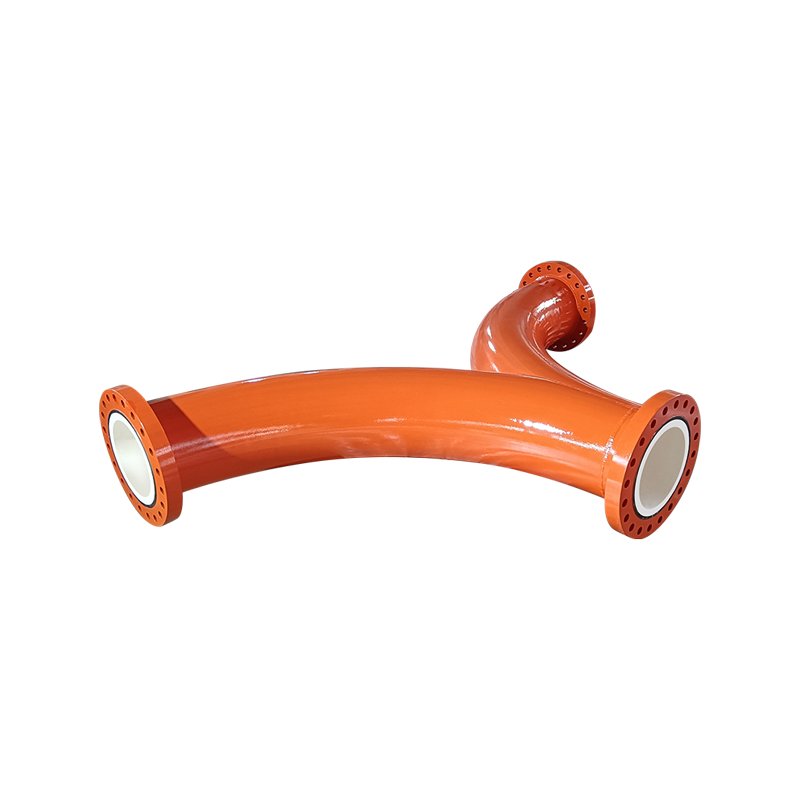
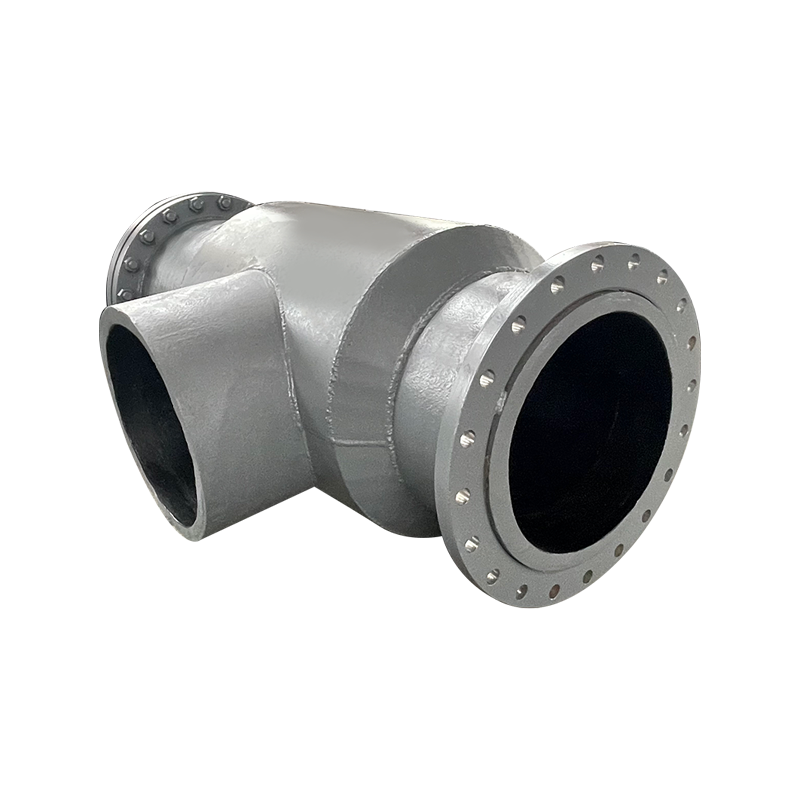
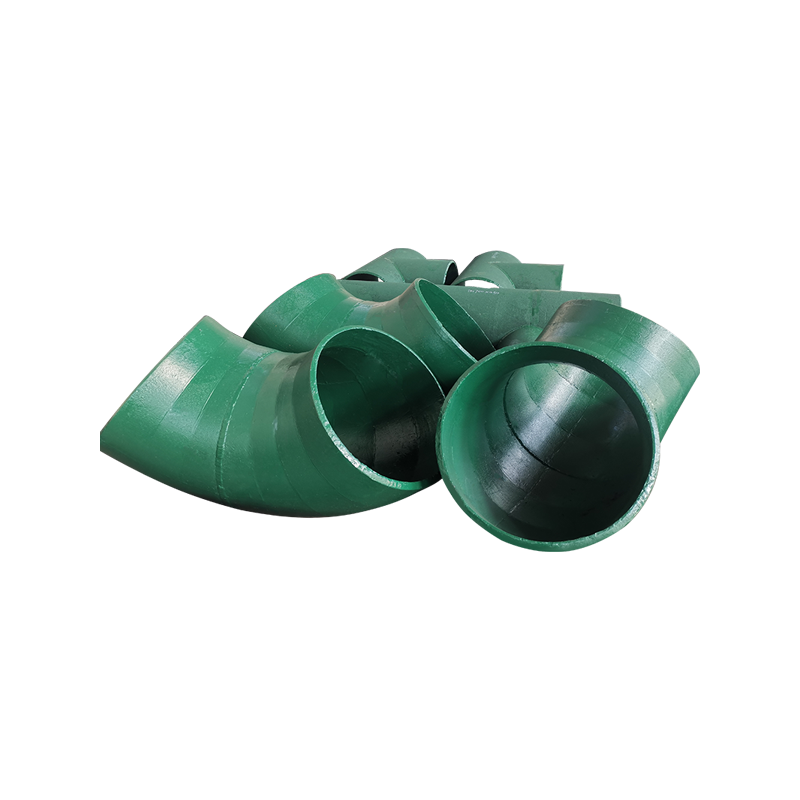
In abrasive slurry transport systems, the bimetallic composite wear-resistant pipe demonstrates significantly superior erosion resistance compared to a rubber-lined pipe. Under high-solid-content slurry conditions, laboratory and field simulations show that bimetallic structures can extend service life by approximately 4 to 8 times depending on particle hardness, velocity, and concentration. While a rubber-lined system performs adequately in low to medium abrasion scenarios, it experiences rapid degradation in high-velocity slurry environments where sharp particles continuously impact the inner wall. For applications requiring a durable abrasion resistant pipe, bimetallic composite designs provide a more stable and predictable long-term performance.
Erosion Mechanism in Abrasive Slurry Transport
Erosion in slurry pipelines is primarily caused by solid particles suspended in liquid media repeatedly striking the internal pipe wall. In a bimetallic composite wear-resistant pipe, the inner layer is engineered with a high-hardness metallic structure that resists micro-cutting and impact deformation. This layer typically achieves hardness levels above HRC 55–65, allowing it to withstand continuous particle bombardment without rapid material loss.
In contrast, rubber-lined pipes rely on elasticity to absorb impact energy. Initially, this mechanism reduces erosion rates; however, under high-energy slurry flow, repeated deformation leads to surface fatigue, cracking, and eventual delamination. Once the rubber layer is compromised, the underlying steel is exposed, and erosion accelerates rapidly.
The erosion process in an abrasion resistant pipe system is influenced by particle velocity (often 3–10 m/s in industrial systems), particle size distribution (0.1–5 mm typical), and solid concentration (10–60% by volume). These variables strongly determine whether rubber or bimetallic solutions are more suitable.
Performance Comparison Between Pipe Structures
| Performance Parameter | Bimetallic Composite Wear-Resistant Pipe | Rubber-Lined Pipe |
|---|---|---|
| Erosion Resistance | Very High (4–8× longer life) | Moderate |
| Service Life | 8,000–15,000 hours | 1,500–3,000 hours |
| Impact Resistance | High structural toughness | High elasticity but fatigue-prone |
| Failure Mode | Gradual wear | Sudden lining collapse |
Key Engineering Factors Affecting Wear Resistance
The performance of any abrasion resistant pipe depends on multiple interacting engineering factors. These include material hardness, flow regime, slurry composition, and installation geometry.
- Particle hardness: quartz-rich slurry increases erosion rate significantly
- Flow velocity: erosion rate increases exponentially beyond 5 m/s
- Pipe curvature: elbows experience up to 3× higher wear
- Temperature: rubber degradation accelerates above 70°C
A bimetallic composite wear-resistant pipe is less sensitive to these variables due to its rigid metallic wear layer, whereas rubber-lined systems show nonlinear degradation once operational thresholds are exceeded.
bimetallic composite wear-resistant pipe
Lifecycle Cost and Maintenance Analysis
Although the initial cost of a bimetallic composite wear-resistant pipe is typically higher than a rubber-lined alternative, lifecycle cost analysis shows a different outcome. Over a 10-year operational cycle, maintenance downtime, replacement frequency, and labor costs significantly influence total expenditure.
Rubber-lined systems often require partial or full re-lining every 1–2 years in severe slurry environments. Each shutdown can result in production losses ranging from several thousand to hundreds of thousands of operational units depending on plant scale.
In contrast, a bimetallic system can operate for extended periods with minimal intervention, reducing unplanned downtime by up to 60%. This makes it a preferred choice for critical slurry transport pipelines where continuity is essential.
Industrial Application Scenarios
The selection of an abrasion resistant pipe is highly dependent on industrial environment requirements. Bimetallic composite pipes are widely used in high-wear conditions such as mining tailings, dredging operations, and mineral processing plants.
- Mining slurry transport with high quartz content exceeding 30% solids
- River dredging systems with continuous sand and gravel movement
- Cement and raw material processing pipelines with abrasive dust slurry
Rubber-lined pipes are still used in moderate conditions, particularly where chemical corrosion is more dominant than mechanical abrasion. However, in high-impact slurry transport, their performance limitations become evident within short operational cycles.
Failure Modes and Reliability Behavior
Failure behavior is a critical factor in evaluating pipe systems. A bimetallic composite wear-resistant pipe typically exhibits gradual, predictable wear, allowing operators to schedule maintenance before critical failure occurs.
Rubber-lined pipes, however, tend to fail in a more abrupt manner. Once the lining develops cracks or detaches from the substrate, erosion accelerates rapidly, often leading to emergency shutdowns. This difference in failure mode significantly impacts operational reliability in slurry systems.
Considering erosion resistance, lifecycle cost, mechanical stability, and operational reliability, the bimetallic composite wear-resistant pipe consistently outperforms rubber-lined pipe systems in abrasive slurry transport applications. For engineers selecting an abrasion resistant pipe solution, bimetallic structures provide a technically robust and economically efficient long-term strategy.