Search
 русский
 Español
 عربى
عربى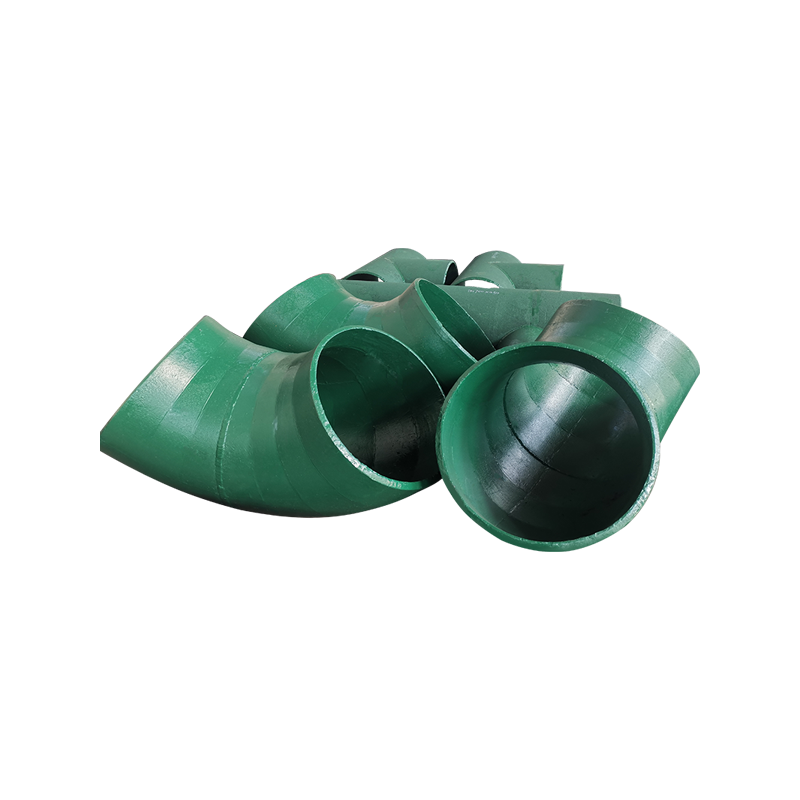
The key conclusion is that Rare earth wear-resistant steel pipe offers superior overall impact resistance, easier installation, and better adaptability in complex working conditions, while ceramic-lined composite pipes provide higher pure abrasion resistance but lower impact toughness. In abrasive slurry transport systems with frequent vibration, pressure fluctuation, or particle impact, Rare earth wear-resistant steel pipe is generally more reliable. However, in ultra-high abrasion environments with stable flow and minimal mechanical shock, ceramic-lined systems may achieve longer wear life.
In practice, industries often choose between wear resistant steel pipe, ceramic-lined pipes, and abrasion resistant steel tube solutions based on a balance of wear rate, impact conditions, and maintenance cost rather than abrasion resistance alone.
Material Structure and Working Principle Differences
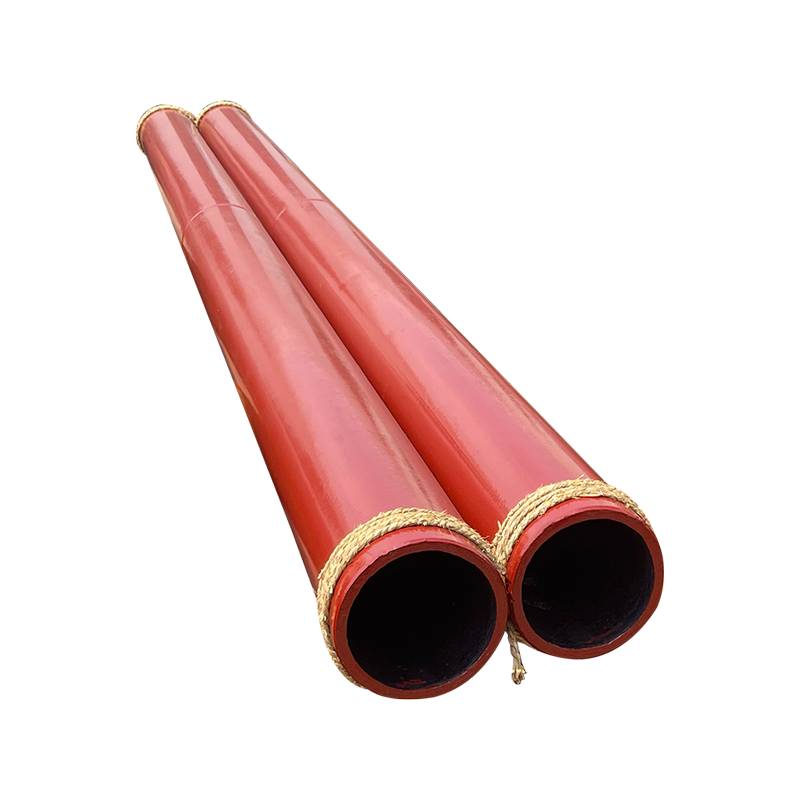
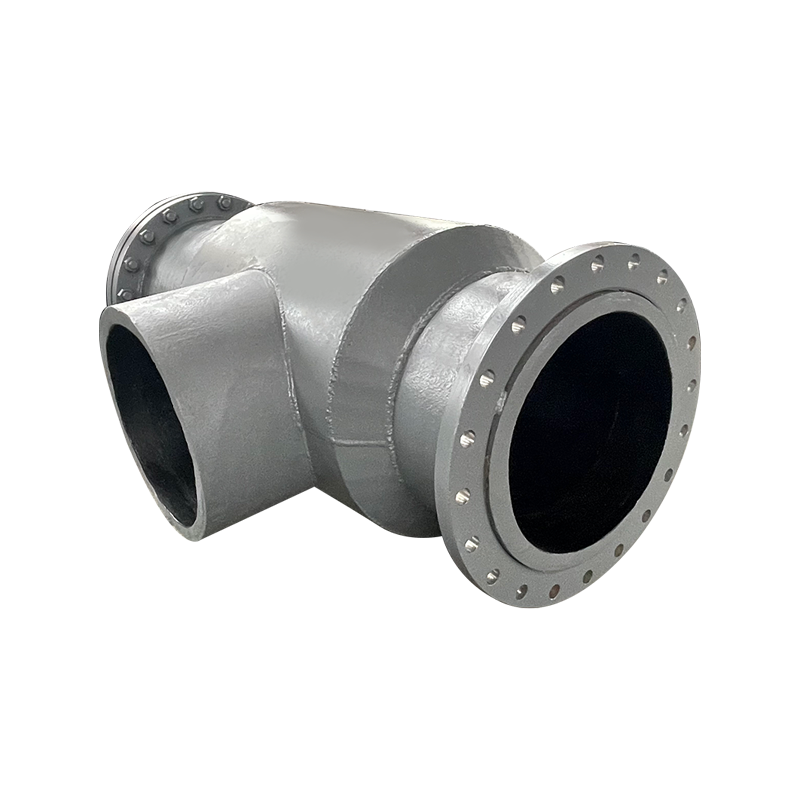
The fundamental difference lies in structure. Rare earth wear-resistant steel pipe is engineered by adding rare earth elements (such as La, Ce) into alloy steel to refine grain structure and improve toughness. This results in a uniform wear-resistant matrix with enhanced resistance to cracking and deformation.
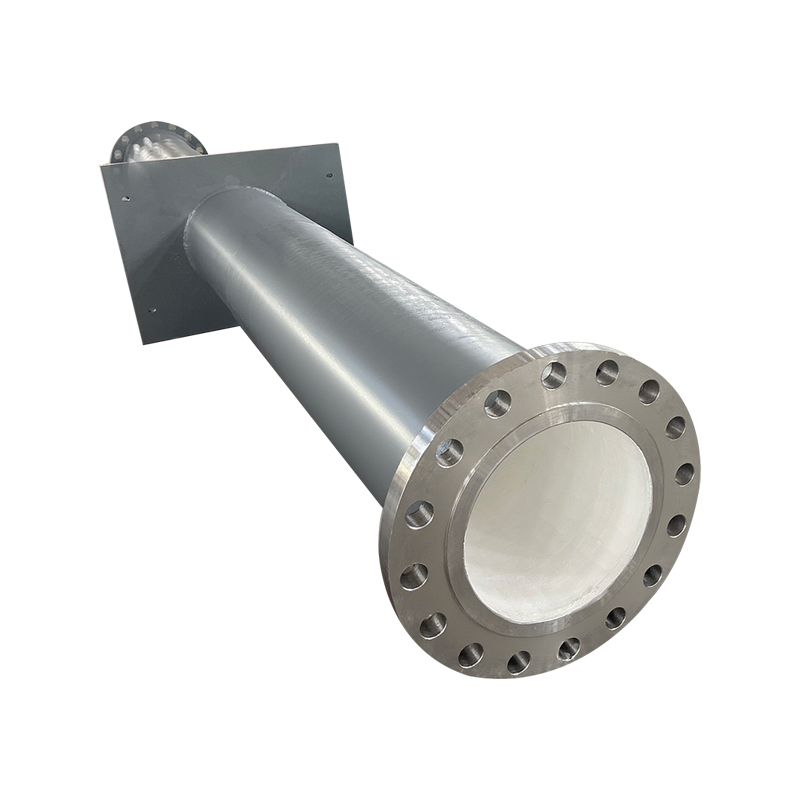
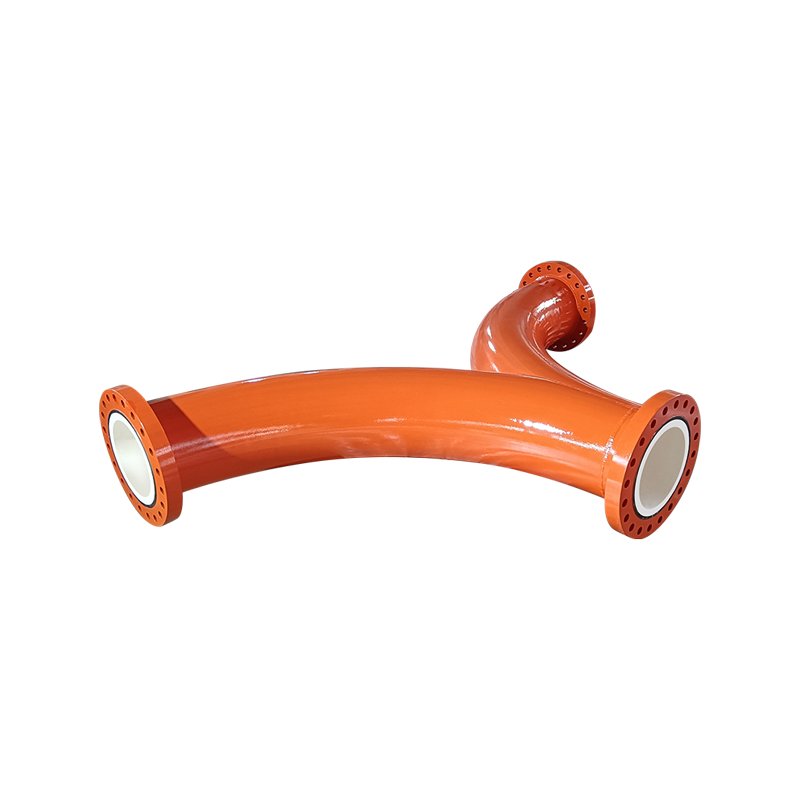
In contrast, ceramic-lined composite pipes rely on a rigid ceramic layer (typically alumina ceramic with hardness above 85 HRA) bonded inside a steel pipe. While extremely hard, ceramics are brittle and prone to cracking under impact or thermal shock.
- Rare earth wear-resistant steel pipe: metallurgical wear resistance + toughness balance
- Ceramic-lined pipe: ultra-hard surface protection with brittle structure
- Hybrid systems may combine both concepts for extreme conditions
Compared with standard abrasion resistant steel tube, rare earth modified steel provides improved grain refinement and crack resistance under cyclic stress.
Wear Resistance Performance in Slurry Transport
In terms of pure abrasion resistance, ceramic-lined pipes generally outperform steel-based systems. Laboratory tests show that alumina ceramic liners can achieve 8–12 times higher wear resistance than standard carbon steel under dry sand erosion conditions.
However, real slurry transport involves mixed wear mechanisms including abrasion, impact, and corrosion. In such environments, Rare earth wear-resistant steel pipe reduces total material loss by 40–60% compared to conventional alloy steel pipes due to its improved microstructure stability.
- Ceramic-lined pipe: excellent against fine particle abrasion
- Rare earth wear-resistant steel pipe: balanced resistance to abrasion + impact
- Hybrid slurry systems: best performance in fluctuating pressure systems
For high-solid-content slurry pipelines in mining, wear resistant steel pipe with rare earth modification often achieves longer service stability due to reduced crack propagation risk.
Rare earth wear-resistant steel pipe
Impact Resistance and Failure Behavior
Impact resistance is a decisive factor in slurry transport systems, especially where coarse particles or pump-induced vibration exist. The ceramic lining is highly susceptible to brittle fracture when exposed to sudden pressure surges.
In contrast, Rare earth wear-resistant steel pipe demonstrates high toughness, with impact energy absorption typically 30–50% higher than standard alloy steel pipes. This reduces the likelihood of catastrophic failure.
- Ceramic systems may crack under localized impact stress
- Steel-based systems deform but maintain integrity
- Rare earth modification delays fatigue crack initiation
This makes abrasion resistant steel tube solutions more suitable for dynamic slurry pipelines in mining and dredging operations.
Service Life and Maintenance Requirements
Service life depends heavily on particle hardness, flow velocity, and maintenance practices. Ceramic-lined pipes can last 3–5 years in stable low-impact slurry systems, while Rare earth wear-resistant steel pipe typically lasts 2–4 years but with more consistent performance across variable conditions.
| Feature | Rare Earth Wear-Resistant Steel Pipe | Ceramic-Lined Composite Pipe |
|---|---|---|
| Wear Resistance | High and uniform | Extremely high (surface only) |
| Impact Resistance | Excellent | Poor |
| Maintenance Frequency | Low to medium | Low but high repair cost when damaged |
Cost Efficiency and Lifecycle Economics
Initial installation cost for ceramic-lined systems is generally 20–40% higher than Rare earth wear-resistant steel pipe due to material complexity and bonding processes. However, in ideal conditions, ceramics may reduce replacement frequency.
When considering lifecycle cost, Rare earth wear-resistant steel pipe often provides better ROI in unstable environments because it reduces emergency downtime and catastrophic failure risks.
- Ceramic pipes: lower wear rate but higher breakage risk cost
- Steel pipes: slightly higher wear but lower system failure risk
- Best ROI depends on slurry stability and particle size distribution
Application Scenarios and Engineering Selection
In mining, power plants, dredging, and metallurgy, selecting between these two systems depends on operational conditions.
Rare earth wear-resistant steel pipe is preferred in:
- High-impact slurry pipelines
- Unstable flow or pressure systems
- Mining tailings transport with coarse particles
Ceramic-lined pipes are preferred in:
- Stable, low-impact ash handling systems
- Fine particle pneumatic transport
- Controlled industrial environments
In many real-world projects, engineers combine both abrasion resistant steel tube systems and ceramic reinforcement at critical bends or elbows to maximize performance.
Ceramic-lined composite pipes dominate in pure wear resistance, but their brittleness limits their application in dynamic systems. Rare earth wear-resistant steel pipe offers a more balanced engineering solution by combining wear resistance with high toughness and operational reliability.
For most abrasive slurry transport systems, especially those with fluctuating flow or mechanical stress, Rare earth wear-resistant steel pipe is the more practical and cost-effective long-term choice.