Search
 русский
 Español
 عربى
عربى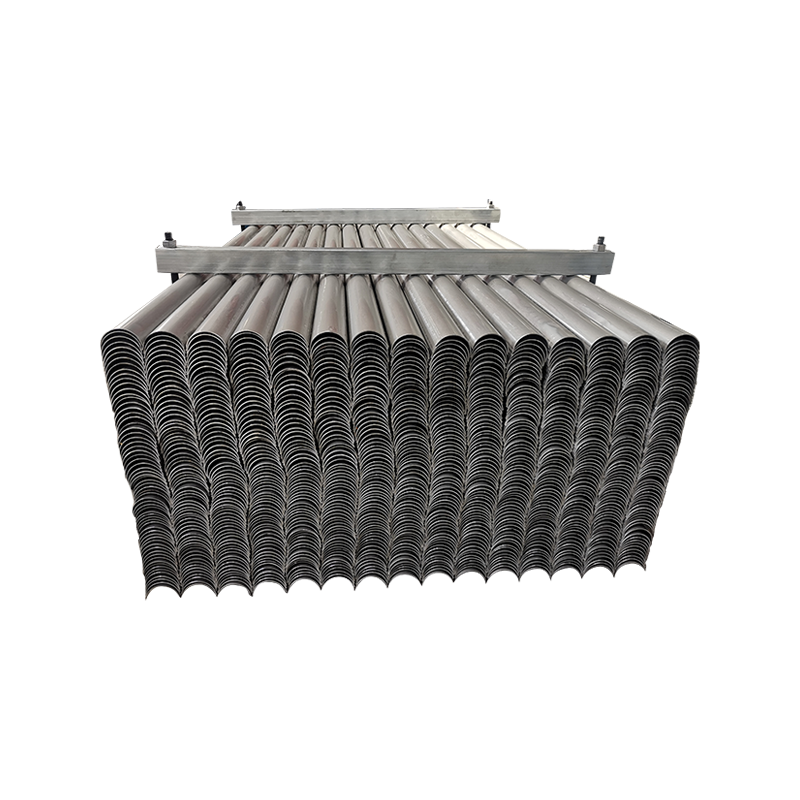
In coastal environments, anti-wear roof tiles consistently outperform corrosion-resistant aluminum roofing panels in surface durability and long-term structural integrity, while aluminum panels hold an advantage in raw corrosion resistance due to their metallic composition. The right choice depends on your specific coastal conditions, budget, and maintenance capacity — but for most homeowners and builders in salt-spray zones, anti-wear roof tiles offer a more balanced, low-maintenance solution over a 30+ year horizon.
This article breaks down how each material behaves under salt spray exposure, wind-driven rain, UV radiation, and mechanical stress — the four primary environmental stressors in coastal roofing applications.
What Salt Spray Actually Does to Roofing Materials
Salt spray is not simply moisture. In coastal zones within 1 km of the shoreline, airborne chloride concentrations can reach 300–500 mg/m²/day, according to ISO 9223 corrosivity classification standards. These chloride ions are chemically aggressive: they penetrate micro-pores, accelerate oxidation in metals, and degrade polymer binders in composite materials.
For roofing materials, the failure modes differ sharply:
- Metal panels experience galvanic and crevice corrosion, especially at fastener points and cut edges.
- Ceramic and concrete tiles absorb moisture through micro-cracks, leading to salt crystallization damage and surface spalling.
- Abrasion-resistant tiles, engineered with dense, low-porosity surfaces, are specifically designed to resist this penetration mechanism.
Understanding this distinction is essential before comparing the two product categories head-to-head.
Anti-Wear Roof Tiles in Coastal Conditions: Strengths and Limitations
Anti-wear roof tiles are manufactured using high-density mineral composites, vitrified clay, or polymer-ceramic hybrid matrices. Their defining characteristic is a surface hardness rating between 7–9 on the Mohs scale, which makes them inherently resistant to mechanical abrasion from wind-driven sand and salt particles — a constant challenge in coastal environments.
Key Advantages
- Low water absorption: Premium anti-wear tiles achieve water absorption rates below 3%, compared to 6–10% for standard clay tiles. This directly limits chloride ion ingress and internal salt crystallization.
- No electrochemical vulnerability: Unlike metallic panels, anti-wear tiles contain no iron or reactive metals, making galvanic corrosion physically impossible regardless of proximity to the ocean.
- Surface stability: The vitrified or glazed surface of high-quality anti-wear tiles does not oxidize, discolor significantly, or pit under salt spray. Studies on similar ceramic materials show color retention exceeding 95% after 10 years of coastal exposure.
- Thermal mass: Tiles absorb and slowly release heat, reducing thermal cycling stress — a significant cause of long-term fastener loosening in metal roofs.
Limitations to Consider
- Anti-wear tiles are heavier, typically 35–55 kg/m², requiring reinforced roof structures in some coastal builds.
- In extreme wind zones (Category 4/5 hurricane areas), individual tile displacement is a risk unless the installation uses hurricane-rated clip systems.
- Grout lines and underlayment junctions can collect salt deposits if not periodically flushed.
Abrasion-resistant tiles
Corrosion-Resistant Aluminum Roofing Panels: Strengths and Limitations
Aluminum roofing panels are a popular coastal choice precisely because aluminum naturally forms a protective oxide layer that resists corrosion. Alloys such as 3000-series and 5000-series aluminum are specifically formulated for marine environments, offering measurable resistance to chloride attack compared to steel or zinc-coated panels.
Key Advantages
- Lightweight: At just 3–5 kg/m², aluminum panels place minimal load on the roof structure, useful in retrofit situations or lightweight building designs.
- Wind resistance: Large-format interlocking panels can achieve wind uplift ratings of up to 220 km/h when correctly fastened, making them competitive in typhoon and hurricane zones.
- Quick installation: Fewer components and lighter weight translate into faster installation times, reducing labor costs in coastal projects.
Limitations to Consider
- Surface abrasion: Aluminum is a relatively soft metal (Mohs hardness ~2.5–3). Wind-driven sand and salt particles in coastal environments progressively scratch and erode coatings, exposing the raw alloy. This is precisely where abrasion-resistant tiles hold a decisive advantage.
- Fastener corrosion: Even with aluminum panels, steel screws or dissimilar metal fasteners create galvanic cells. Pitting corrosion at fastener points is the most common long-term failure mode in coastal aluminum roofing systems.
- Thermal expansion: Aluminum expands at roughly 23.1 µm/m·°C. In coastal climates with high diurnal temperature swings, this constant movement stresses sealants and lap joints, eventually creating water infiltration pathways.
- Noise: Rain noise on aluminum panels is significantly louder than on tile roofs, often requiring additional acoustic insulation in residential applications.
Direct Performance Comparison: Anti-Wear Roof Tiles vs. Aluminum Panels
The table below summarizes the key performance metrics relevant to coastal environments, comparing anti-wear roof tiles against corrosion-resistant aluminum roofing panels:
| Performance Factor | Anti-Wear Roof Tiles | Aluminum Roofing Panels |
|---|---|---|
| Salt spray corrosion resistance | Excellent (no metallic components) | Good (oxide layer protection) |
| Surface abrasion resistance | Superior (Mohs 7–9) | Moderate (Mohs ~2.5–3) |
| Water absorption rate | <3% (premium grades) | Near 0% (non-porous metal) |
| Fastener corrosion risk | Low (tile clips, no galvanic pair) | High (dissimilar metals) |
| Wind uplift resistance | Moderate–High (system dependent) | High (up to 220 km/h rated) |
| Thermal expansion stress | Low | High (23.1 µm/m·°C) |
| Weight (kg/m²) | 35–55 | 3–5 |
| Expected service life (coastal) | 40–60 years | 20–35 years |
| Maintenance frequency | Low | Moderate (coating re-application) |
| Acoustic performance | Excellent (high mass damping) | Poor without added insulation |
Long-Term Maintenance Costs in Salt-Spray Zones
Maintenance cost over a 30-year period is arguably the most important factor for coastal property owners. Here is how the two systems typically compare in practice:
Anti-wear tiles in a coastal installation typically require:
- Annual inspection and periodic flushing of salt deposits from joints (low cost).
- Replacement of damaged individual tiles every 10–15 years on average (localized, inexpensive).
- No coating re-application, as the surface is inherently resistant to UV and salt.
Aluminum panels in the same coastal context typically require:
- Protective coating re-application every 8–12 years to prevent coating breakdown from UV and salt abrasion.
- Fastener inspection and replacement every 5–7 years in high-chloride zones.
- Sealant replacement at joints and overlaps every 10 years due to thermal cycling fatigue.
Industry estimates suggest that over a 30-year lifecycle, the total cost of ownership for a coastal aluminum panel roof — including installation, coatings, and fastener replacement — is 15–25% higher than a comparable anti-wear tile roof, despite the lower upfront material cost of aluminum.
When Aluminum Panels Are the Better Choice
Despite the advantages of anti-wear tiles, aluminum roofing panels remain the right answer in specific coastal scenarios:
- Lightweight structures: Older coastal homes or modular buildings that cannot support the structural load of 40–55 kg/m² tile systems.
- Low-pitch or flat roof sections: Anti-wear tiles require a minimum pitch of approximately 15–20° for effective drainage. Aluminum panels can be installed on near-flat roofs with proper seaming.
- Extreme wind zones: In areas regularly exposed to Category 4 or 5 storms, large-format standing-seam aluminum panels with engineered clip systems may outperform tile arrays in wind uplift resistance.
- Budget-constrained new builds: Where the initial capital cost is the primary constraint and the owner accepts higher maintenance obligations.
Installation Best Practices for Coastal Environments
Whichever material is selected, coastal installations demand stricter attention to detail than inland projects. Key practices include:
- Use marine-grade stainless steel fasteners (Grade 316) with all tile systems. Avoid zinc-coated or carbon-steel screws regardless of the tile material.
- Install a self-adhering waterproof underlayment rated for coastal exposure. Standard felt underlayments degrade rapidly in high-humidity, high-salt environments.
- Ensure adequate ventilation beneath the tile or panel layer to prevent condensation — a major driver of hidden corrosion in coastal metal roofs.
- Schedule biannual inspections in the first two years to identify any installation deficiencies before salt exposure compounds them.
- Flush roof surfaces and gutters with fresh water at least twice per year to remove accumulated salt deposits, particularly after storm events.
Final Verdict: Which Should You Choose for a Coastal Roof?
For most coastal residential and light commercial applications, anti-wear roof tiles are the superior long-term choice. Their combination of exceptional surface hardness, low porosity, zero galvanic corrosion risk, and minimal maintenance requirements makes them ideally suited to environments where salt spray, abrasive wind particles, and UV radiation operate simultaneously and continuously.
Abrasion-resistant tiles specifically address the surface degradation mechanism that coastal environments inflict most aggressively — something aluminum panels, despite their corrosion-resistant alloy composition, are inherently less equipped to handle due to their relative surface softness.
Aluminum roofing panels remain a viable and sometimes preferable option where structural weight, roof pitch, or extreme wind ratings are the overriding considerations. In those cases, specifying a PVDF-coated 5000-series aluminum panel with full stainless-steel fastener systems and a 10-year maintenance plan will deliver the best results within the material's constraints.
For buyers evaluating anti-wear tiles in coastal settings, prioritize products with certified water absorption below 3%, a documented salt spray test result of at least 1,000 hours per ASTM B117, and a surface hardness specification from the manufacturer. These three data points, more than any marketing claim, will tell you whether a tile is genuinely engineered for coastal conditions.