Search
 русский
 Español
 عربى
عربى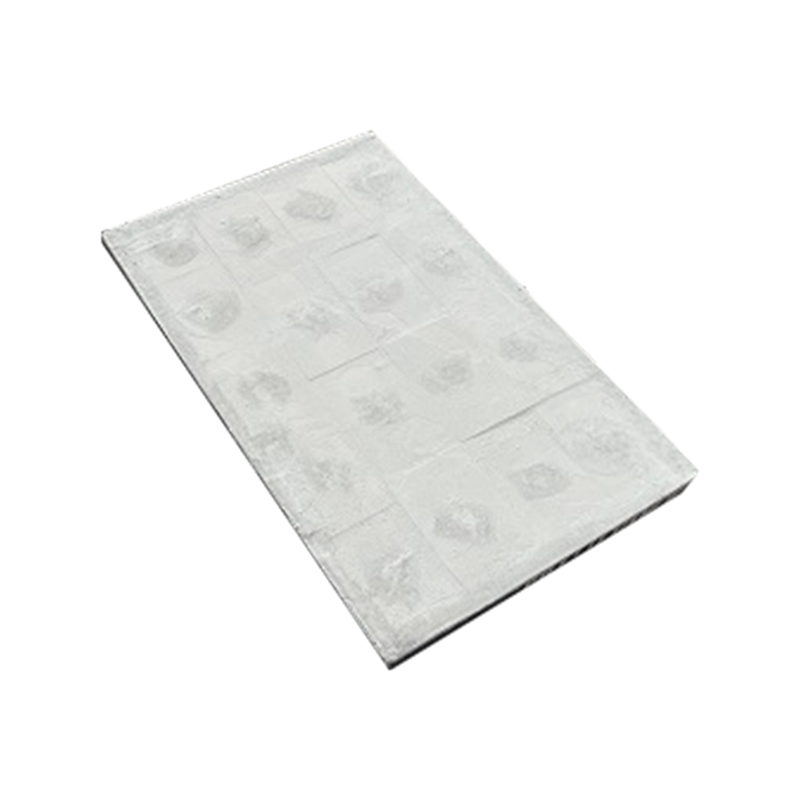
When it comes to handling simultaneous impact and abrasion, ceramic composite wear-resistant lining clearly outperforms pure alumina ceramic lining. Pure alumina ceramic lining offers exceptional hardness — typically 85–90 HRA — but its brittleness makes it vulnerable to fracture under repeated impact loads. Ceramic composite wear-resistant lining, by contrast, bonds a high-alumina ceramic tile (usually 92–95% Al₂O₃) to a flexible rubber or steel backing, combining surface hardness with structural toughness. This hybrid construction is why ceramic composite wear-resistant lining has become the preferred choice in heavy-duty industries such as mining, cement, and power generation, where pipelines, chutes, and hoppers face both abrasive particles and mechanical shock simultaneously.
Why Pure Alumina Ceramic Lining Fails Under Impact
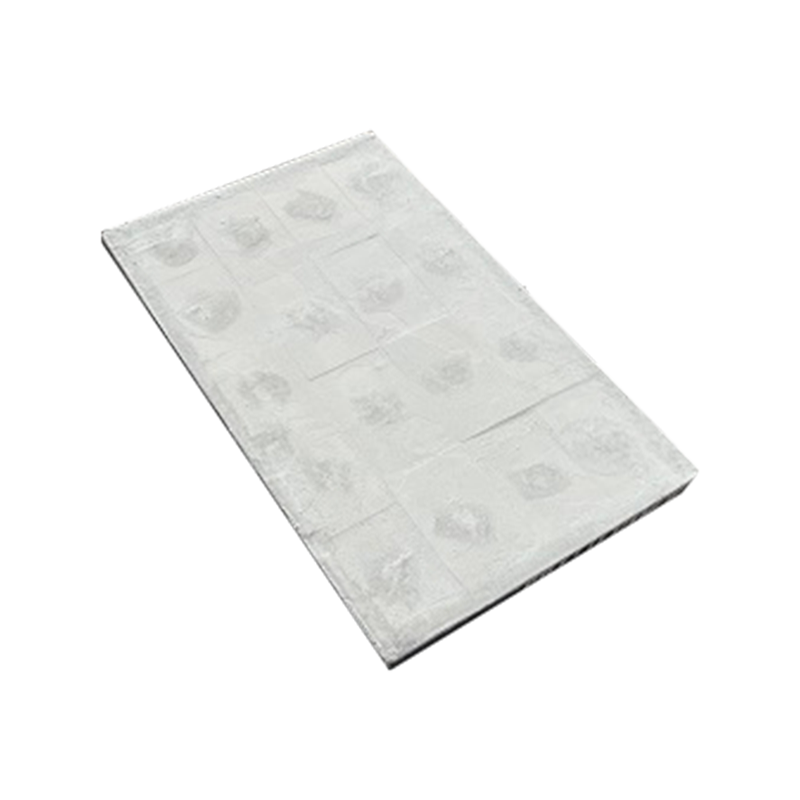
Pure alumina ceramic lining is manufactured from sintered aluminum oxide, achieving surface hardness values of HV 1400–1800. This makes it highly resistant to fine-particle abrasion. However, alumina is inherently brittle, with a fracture toughness (K₁c) of only 3–4 MPa·m½. When subjected to sudden mechanical impact — such as large ore lumps dropping onto a chute surface — the ceramic tiles crack and spall rather than absorbing the energy.
In real-world testing conducted in iron ore transfer chutes, monolithic pure alumina ceramic lining tiles showed visible cracking after just 6–8 weeks of service under lump ore impact (particle size >80 mm). Once a tile cracks, the underlying steel substrate is exposed and wears rapidly, accelerating total system failure. This is the fundamental limitation of using pure ceramic lining in combined impact-abrasion environments.
How Ceramic Composite Wear-Resistant Lining Solves the Problem
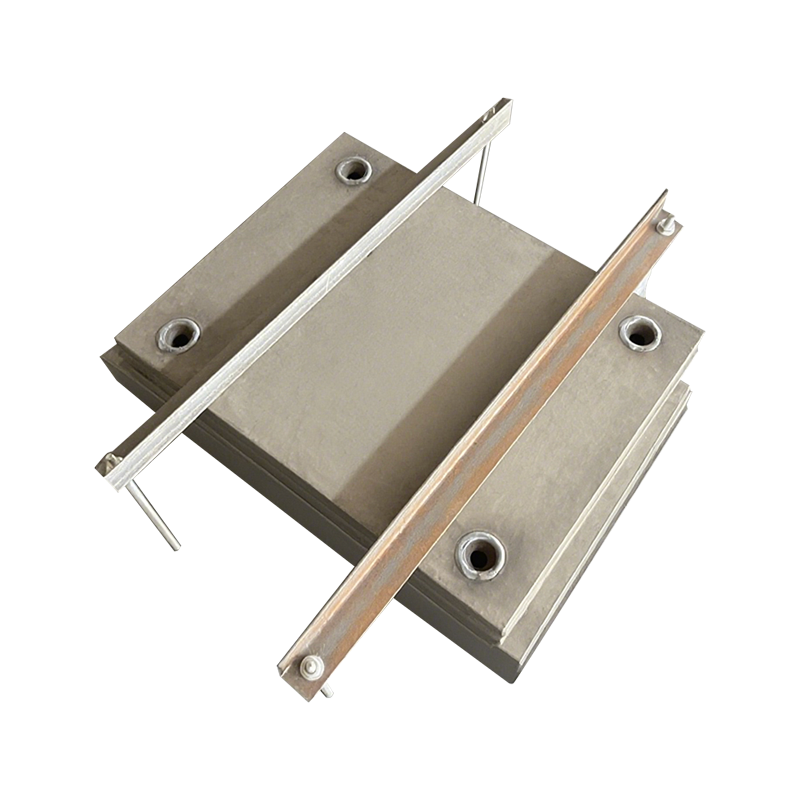
Ceramic composite wear-resistant lining addresses the brittleness problem through its layered construction. The ceramic surface layer resists abrasion, while the rubber or steel backing absorbs and dissipates impact energy before it can fracture the ceramic. This synergy allows the composite structure to function effectively even when struck repeatedly by coarse, angular particles.
Key structural advantages include:
- The rubber layer (typically 10–20 mm thick) acts as a shock absorber, reducing peak stress transmitted to the ceramic tiles by up to 60–70%.
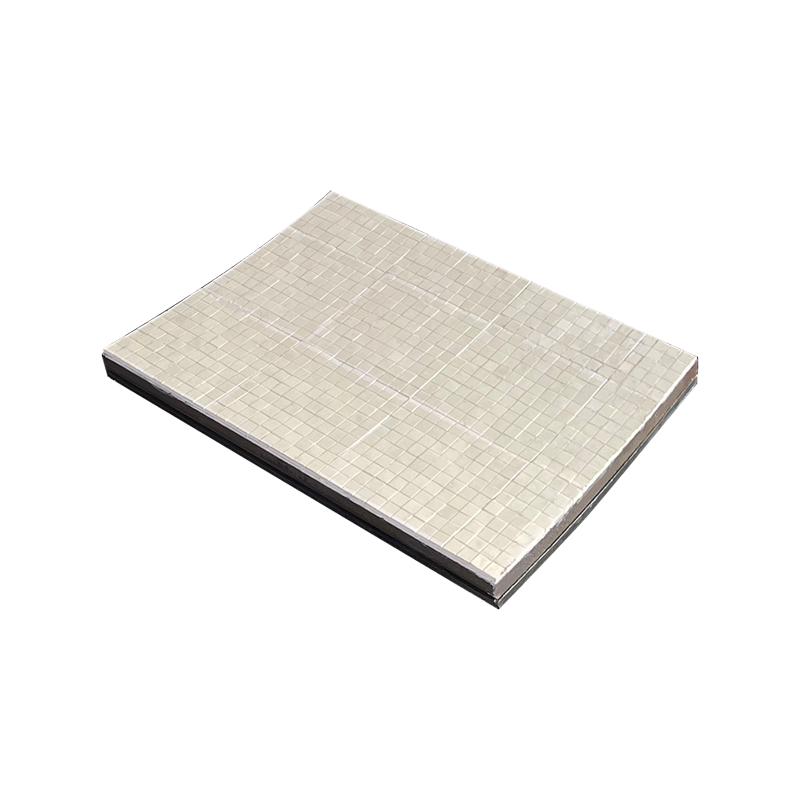
- The ceramic tiles are segmented (commonly 50×50 mm or 75×75 mm), so crack propagation is contained to a single tile rather than spreading across the panel.
- High-quality ceramic composite wear-resistant lining uses 92–95% Al₂O₃ tiles with HRC ≥ 70, maintaining excellent abrasion resistance alongside improved toughness.
In the same iron ore chute application mentioned above, rubber-backed ceramic composite wear-resistant lining achieved a service life of 18–24 months, representing a 3× improvement over pure alumina ceramic lining under identical operating conditions.
Performance Comparison: Ceramic Composite vs Pure Alumina Ceramic Lining
The table below summarizes key performance metrics across the most critical evaluation criteria for combined impact-abrasion environments.
| Parameter | Ceramic Composite Wear-Resistant Lining | Pure Alumina Ceramic Lining |
|---|---|---|
| Surface Hardness | HRC ≥ 70 / HV 1400–1600 | HRA 85–90 / HV 1400–1800 |
| Impact Resistance | High (rubber backing absorbs shock) | Low (brittle fracture under impact) |
| Abrasion Resistance | High | Very High (fine particles) |
| Fracture Toughness (K₁c) | Improved (composite structure) | 3–4 MPa·m½ (brittle) |
| Service Life (lump ore chute) | 18–24 months | 6–8 weeks |
| Max Operating Temperature | ~200°C (rubber-backed); ~900°C (steel-backed) | Up to 1600°C |
| Crack Propagation Control | Segmented tiles limit spread | Cracks spread across panels |
| Installation Flexibility | High (flexible backing conforms to curves) | Limited (rigid, flat surfaces only) |
| Cost per Installation | Moderate–High | Moderate |
Where Pure Alumina Ceramic Lining Still Has an Advantage
Pure alumina ceramic lining is not obsolete — it remains the superior choice in specific scenarios where impact is negligible and fine-particle abrasion dominates. Typical applications include:
- Pneumatic conveying of fine powder (e.g., fly ash, cement powder) at high velocity — particle sizes below 5 mm with no mechanical shock.
- High-temperature environments above 300°C, where rubber-backed composite lining cannot be used and steel-backed alternatives are required.
- Straight pipe sections with uniform slurry flow and no turbulent impact zones.
In these environments, the very high surface hardness of pure alumina ceramic lining (HV up to 1800) provides wear resistance that composite products cannot fully match at the surface level. The key is matching the lining type to the actual operating conditions.
ceramic composite wear-resistant lining
Selecting the Right Ceramic Lining for Your Application
Choosing between ceramic composite wear-resistant lining and pure alumina ceramic lining should be based on a structured assessment of your operating conditions. Consider the following decision factors:
Particle Size and Impact Energy
If your process handles particles larger than 20 mm, especially at drop heights exceeding 0.5 m, ceramic composite wear-resistant lining is strongly recommended. The rubber or steel backing is essential to prevent catastrophic tile failure. For fine particles under 5 mm with no significant drop impact, pure alumina ceramic lining is sufficient.
Operating Temperature
Rubber-backed ceramic composite wear-resistant lining is limited to approximately 200°C. If your application involves temperatures above this threshold — such as in kiln feed pipes or high-temperature gas ducts — specify steel-backed composite lining (rated to ~900°C) or evaluate refractory-grade pure ceramic lining.
Equipment Geometry
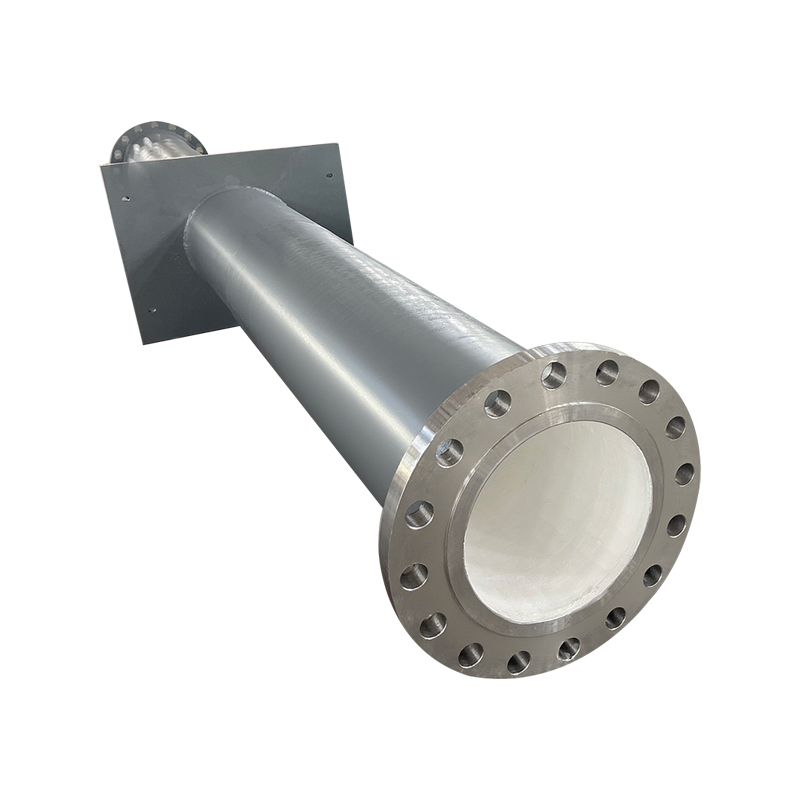
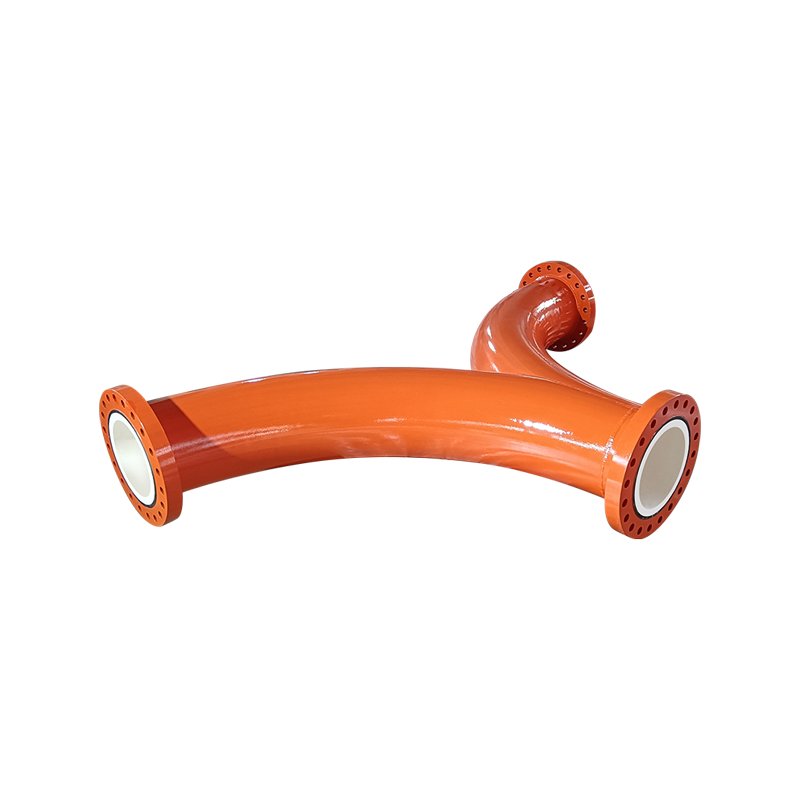
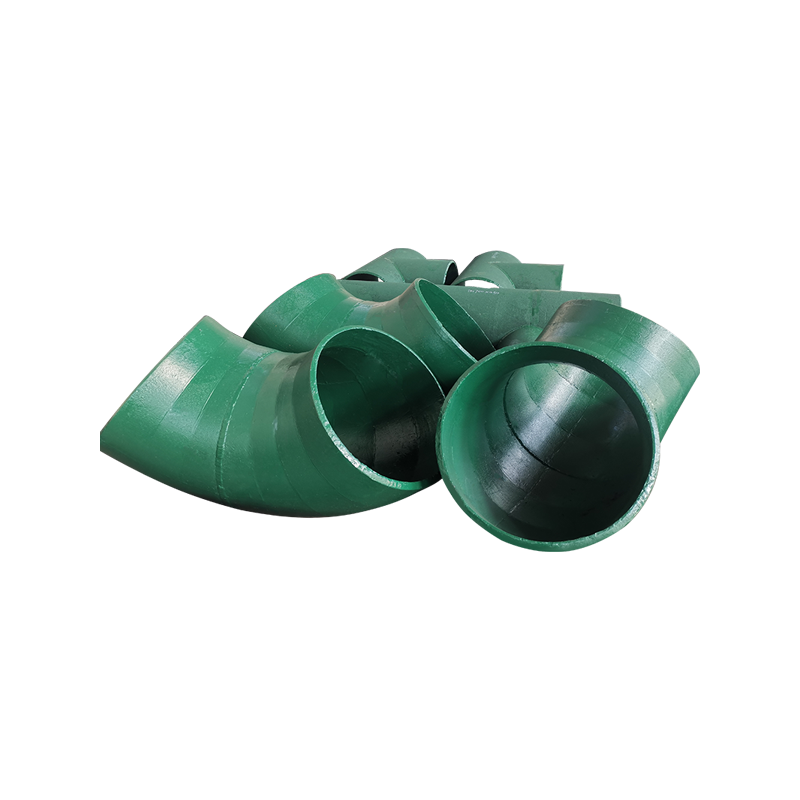
Ceramic composite wear-resistant lining with a flexible rubber backing can conform to curved surfaces, elbows, and irregular geometries without complex cutting or tiling. Pure alumina ceramic lining, being rigid, is better suited to flat panels and straight sections. For curved chute walls or pipe bends, composite lining offers significant installation advantages.
Maintenance and Replacement Strategy
Because ceramic composite wear-resistant lining uses segmented tile panels, individual damaged tiles can be replaced without dismantling the entire lining system. This modular repairability reduces maintenance downtime and total lifecycle cost. In contrast, a cracked monolithic pure alumina ceramic lining section often requires full panel replacement, which is more disruptive and costly.
Real-World Industry Applications
Ceramic composite wear-resistant lining is now standard specification in several demanding sectors:
- Mining and mineral processing: Transfer chutes, hoppers, and cyclone liners in copper, iron ore, and coal operations. Service life improvements of 200–400% over steel liners have been documented.
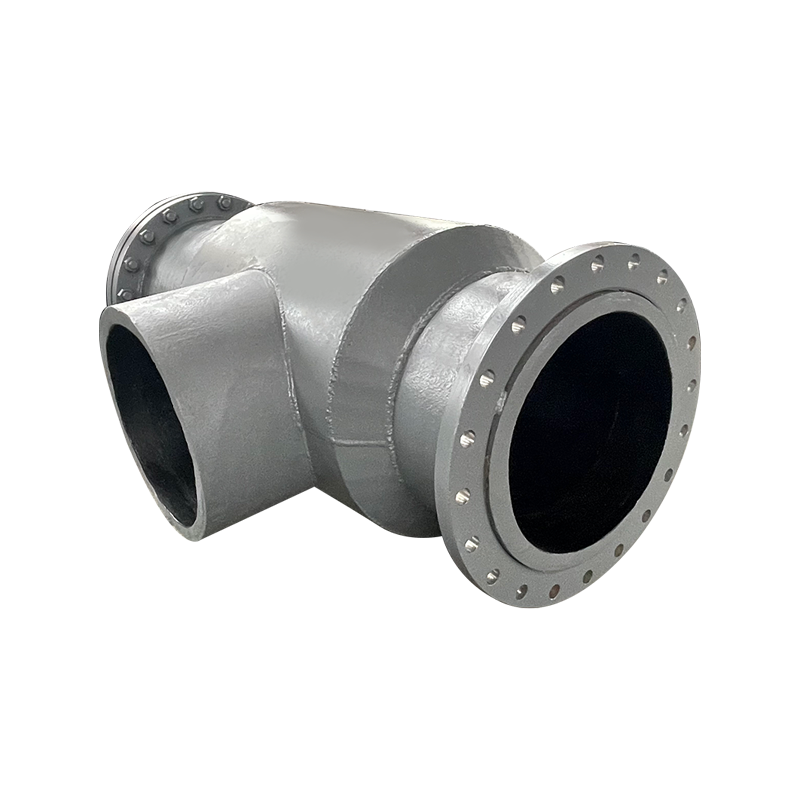
- Cement plants: Bucket elevator casings, separator inlet ducts, and raw meal conveying pipes, where combined abrasion from clinker and impact from large particles is a chronic maintenance problem.
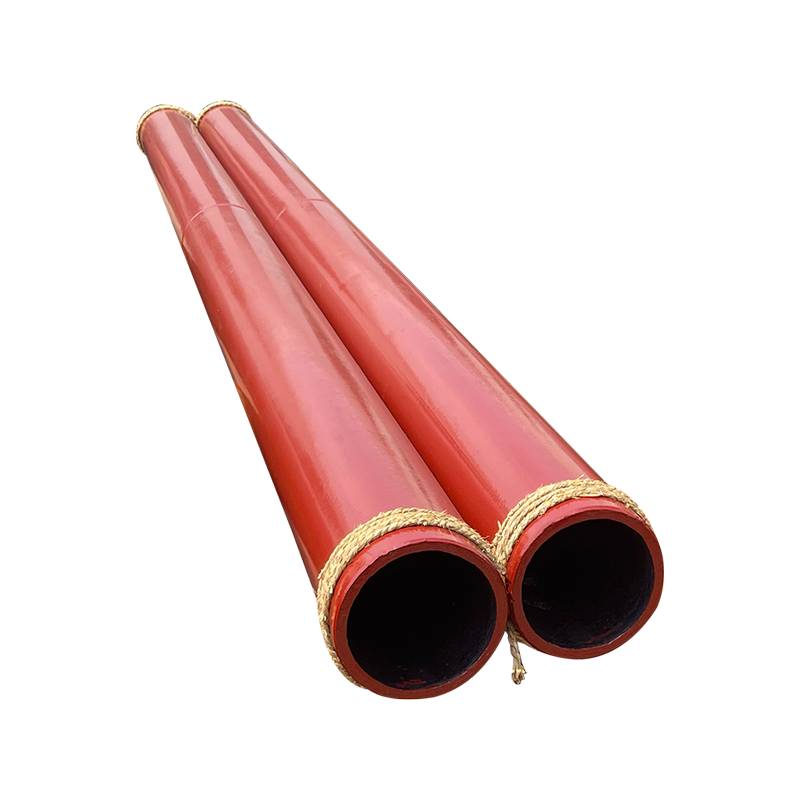
- Power generation: Coal mill outlets, pulverized fuel (PF) pipes, and fly ash conveying systems — often requiring both the abrasion resistance of ceramic lining and the flexibility of a composite structure.
- Steel industry: Sinter plant transfer points and pellet handling systems, where heavy, angular materials create severe combined wear.
In a documented case study from a large Australian iron ore port facility, switching from pure alumina ceramic lining to rubber-backed ceramic composite wear-resistant lining in ship loader chutes reduced annual lining replacement costs by approximately 65% and eliminated unplanned downtime due to liner failure during loading operations.
Key Takeaways
- Under simultaneous impact and abrasion, ceramic composite wear-resistant lining is significantly more durable than pure alumina ceramic lining due to its energy-absorbing backing layer.
- Pure alumina ceramic lining retains an advantage in pure abrasion environments with fine particles and high temperatures, where composite backing materials may be unsuitable.
- The segmented tile design of ceramic composite wear-resistant lining controls crack propagation and enables modular replacement, reducing long-term maintenance costs.
- Application-specific parameters — particle size, impact energy, temperature, and equipment geometry — should always drive the selection of the appropriate ceramic lining solution.
- In heavy industries such as mining, cement, and power generation, ceramic composite wear-resistant lining consistently delivers 3–5× longer service life than pure ceramic lining under real-world combined wear conditions.