Search
 русский
 Español
 عربى
عربى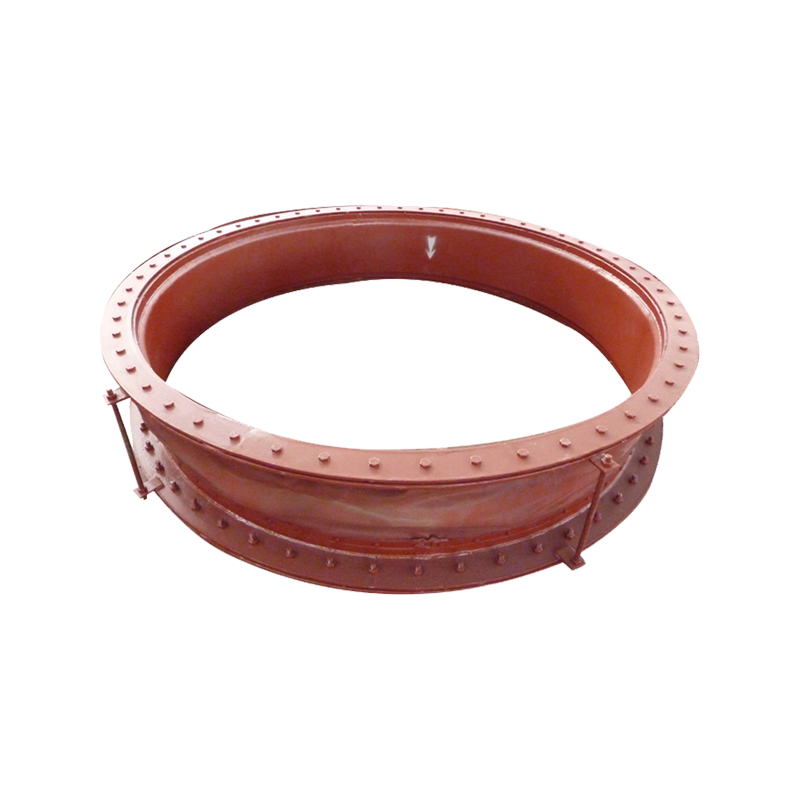
Vibration Absorption
In industrial piping systems, vibrations can be generated by machinery, pumps, compressors, and fluid flow. These vibrations can travel through the piping and create dynamic stresses that may lead to fatigue, wear, or even catastrophic failure of the system. Non-metal expansion joints play an essential role in vibration absorption by acting as a flexible barrier between the rigid components of the system. The elastic properties of materials like rubber, elastomers, or fabric allow them to absorb and dissipate the vibrational energy that would otherwise be transferred through the piping. As the expansion joint flexes and deforms, it effectively reduces the amplitude and intensity of the vibrations, ensuring that they do not propagate to critical components like valves, flanges, or other sensitive parts of the system. This helps prevent damage, minimizes wear and tear, and improves the overall longevity of the system. Moreover, by reducing vibrations, non-metal expansion joints contribute to smoother operations and less noisy environments, which is particularly important in applications where noise levels need to be controlled.
Non-metal compensator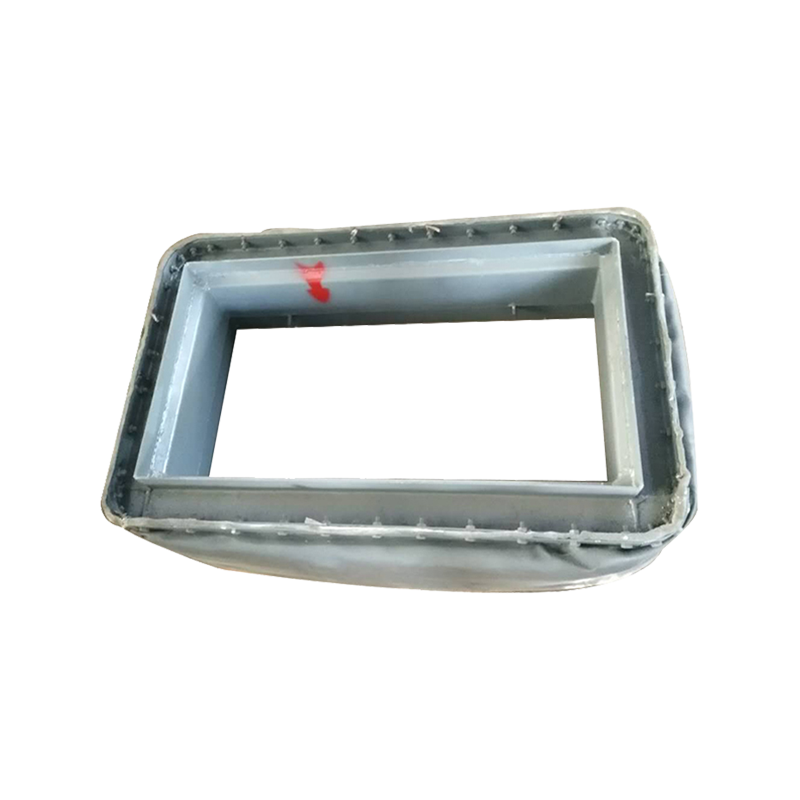
Mitigating Dynamic Loads
Dynamic loads are forces generated in the system by sudden changes in fluid flow, pressure variations, or mechanical impacts. These forces are often unpredictable and can cause substantial stress on piping systems, potentially leading to misalignment, deformation, or even rupture if not properly managed. Non-metal expansion joints are designed to absorb and distribute these dynamic loads, preventing them from being directly transferred to the system's rigid components. Their flexible construction allows them to deform slightly under load, dissipating the energy that would otherwise cause the pipes to move or flex uncontrollably. By accommodating axial, lateral, and angular movement, non-metal expansion joints enable the system to maintain structural integrity despite fluctuations in pressure or movement. This ability to absorb and manage dynamic loads reduces the risk of structural damage, extends the service life of the system, and ensures consistent, safe operation even under varying conditions.
Energy Dissipation
In addition to absorbing vibrations and mitigating dynamic loads, non-metal expansion joints are also effective at dissipating energy generated by mechanical movements. For instance, in high-pressure systems or where there are rapid changes in fluid velocity, the expansion joint can absorb the energy created by these sudden shifts. The elastic or deformable materials used in non-metal expansion joints—such as rubber or fabric—act like a shock absorber, converting some of the mechanical energy into heat or potential energy that is absorbed within the joint's structure. This energy dissipation helps to smooth out pressure surges and prevents the transfer of excessive force to rigid piping sections. The result is a more controlled environment in which pressure spikes and flow surges do not cause the type of damage to the system that would otherwise lead to leaks, pipe ruptures, or equipment failure. This energy dissipation also contributes to maintaining the overall efficiency of the piping system by ensuring smoother fluid flow and reducing the likelihood of costly breakdowns.
Protecting Components from Stress
Non-metal expansion joints are designed to act as a buffer between the rigid sections of the piping system and the external forces acting on it. By absorbing vibration and mitigating dynamic loads, these joints reduce the likelihood of localized stress concentrations that could lead to cracks, corrosion, or fatigue in critical components like valves, pumps, or flanges. The stress that typically arises from pressure fluctuations, mechanical movements, or temperature changes can be damaging over time, especially in systems where high-pressure or corrosive fluids are being transported. Non-metal expansion joints distribute these stresses evenly across the system, preventing excessive force from accumulating at any single point. This ensures that the piping components do not experience stress levels that could compromise their structural integrity, thereby protecting the entire system from premature failure. The result is reduced maintenance needs, fewer repairs, and an overall longer lifespan for the system.
Non-metal compensator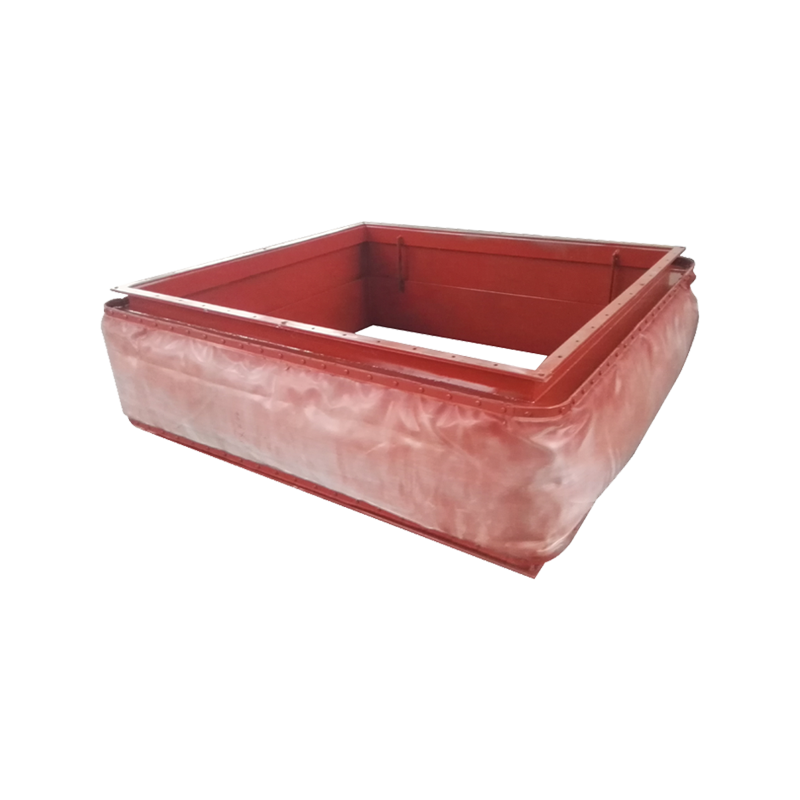
Accommodating System Movement
Industrial piping systems are subject to a variety of movements, such as thermal expansion and contraction due to temperature variations, ground settlement, or seismic activity. These movements, if not properly managed, can lead to significant misalignment, stress buildup, or even ruptures in the system. Non-metal expansion joints are specifically designed to handle these movements. Their flexible materials allow them to accommodate axial movement (lengthwise expansion or contraction), lateral movement (side-to-side shifts), and angular movement (bending or twisting), ensuring that the system remains aligned and stress-free. By accommodating these movements, non-metal expansion joints prevent the system from becoming rigid and susceptible to damage, maintaining flexibility within the pipeline. Whether it is due to temperature changes, earthquake activity, or settling foundations, non-metal expansion joints absorb these movements and prevent the pipeline from experiencing the kind of stress that would otherwise compromise its integrity. This ability to allow for movement is especially important in long pipelines, flexible piping networks, or systems operating under extreme conditions.