

 Search
 русский
 Español
 عربى
عربى
-
Mining Industry Applications — In the mining sector, equipment routinely handles highly abrasive and heavy materials, including ores, sand, gravel, and rock fragments. High Chromium Alloy Wear-Resistant Lining is extensively applied to the internal surfaces of chutes, hoppers, crushers, ball mills, and grinding mills, where continuous contact with abrasive particles can rapidly wear conventional steel or low-chromium liners. The high hardness of the alloy, typically ranging from HRC 58 to HRC 65 depending on the grade, allows it to resist cutting, scratching, and material removal caused by hard minerals. Its toughness also ensures resistance to impact from large ore chunks or falling rock, preventing cracking or chipping that could compromise equipment integrity. The result is a significant reduction in downtime and maintenance intervals, improved operational reliability, and enhanced productivity in high-volume mining operations. Furthermore, its uniform wear resistance helps maintain consistent material flow and prevents blockages or irregular wear patterns in critical components, which is vital for both safety and efficiency in industrial mining environments.
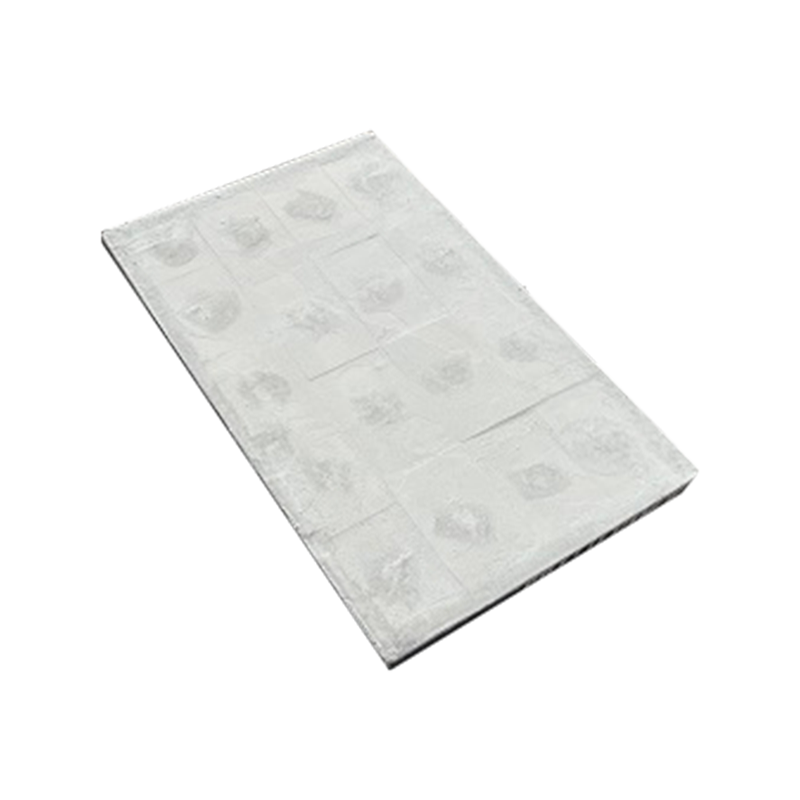
High chromium alloy wear-resistant lining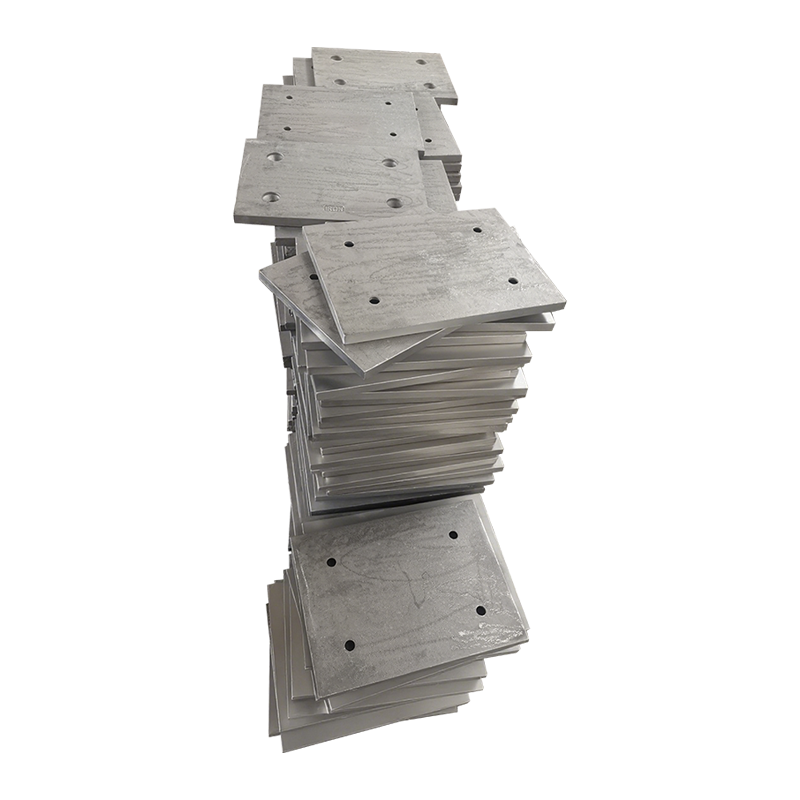
-
Cement Industry Applications — In cement manufacturing, materials such as limestone, clinker, gypsum, and raw mixes are extremely abrasive and can cause rapid wear on production equipment. High Chromium Alloy Wear-Resistant Lining is applied to key components like rotary kilns, grinding mills, clinker coolers, material transfer chutes, and kiln carriages to protect against both abrasive wear and mechanical impact. The alloy’s high chromium content forms hard carbides that enhance resistance to cutting and erosion, even under continuous high-velocity particle impact. Certain grades of high chromium alloy maintain performance under elevated temperatures, making them suitable for lining rotary kilns where thermal cycling can exacerbate wear in conventional materials. This protection extends equipment service life, minimizes production interruptions due to liner replacement, and ensures consistent product quality by preventing irregular wear patterns that could affect clinker size and composition. By integrating high chromium alloy linings into cement plants, operators can significantly reduce total cost of ownership, while maintaining high throughput and operational reliability.
-
Power Generation Industry Applications — In thermal power generation, particularly in coal-fired, biomass, or waste-to-energy plants, fuel handling and ash transport systems are subjected to severe abrasive and impact conditions. High Chromium Alloy Wear-Resistant Lining is employed in coal chutes, ash hoppers, pulverizer mills, boiler feed systems, and flue gas particulate collection areas to prevent rapid wear from abrasive particulate flow. The material’s hardness and toughness prevent premature erosion, while its resistance to high temperatures and occasional corrosive elements ensures structural stability and reliable operation. This reduces unplanned shutdowns, maintenance interventions, and equipment replacement costs. In addition, the lining helps maintain consistent flow rates of coal and ash, which is critical for efficient combustion, energy output, and environmental compliance with particulate emission standards. The combination of erosion resistance and impact toughness makes high chromium alloy an indispensable material for modern power plant operations where equipment longevity and operational continuity are key performance indicators.
-
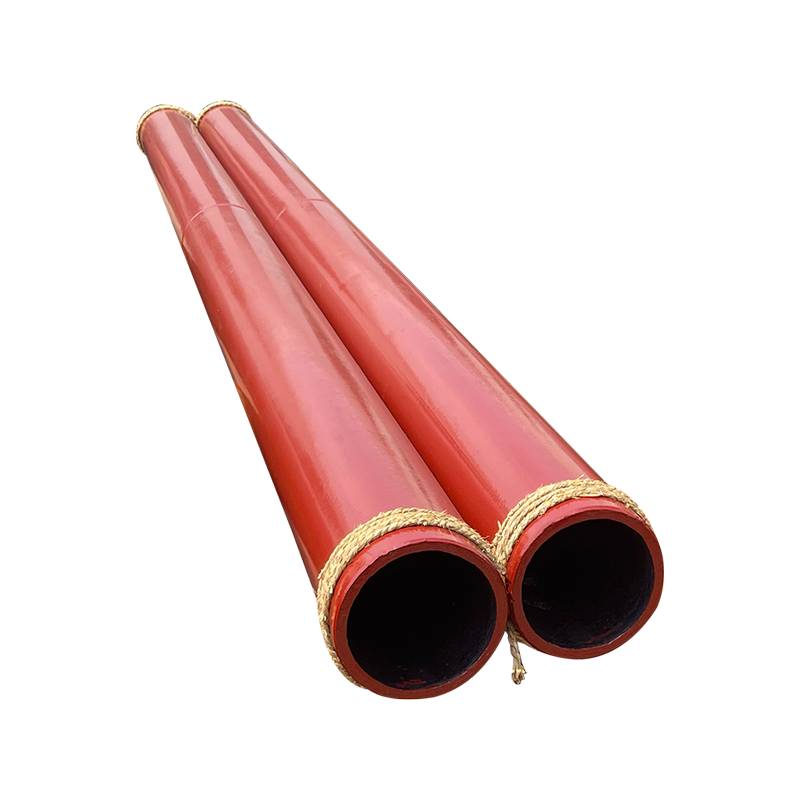
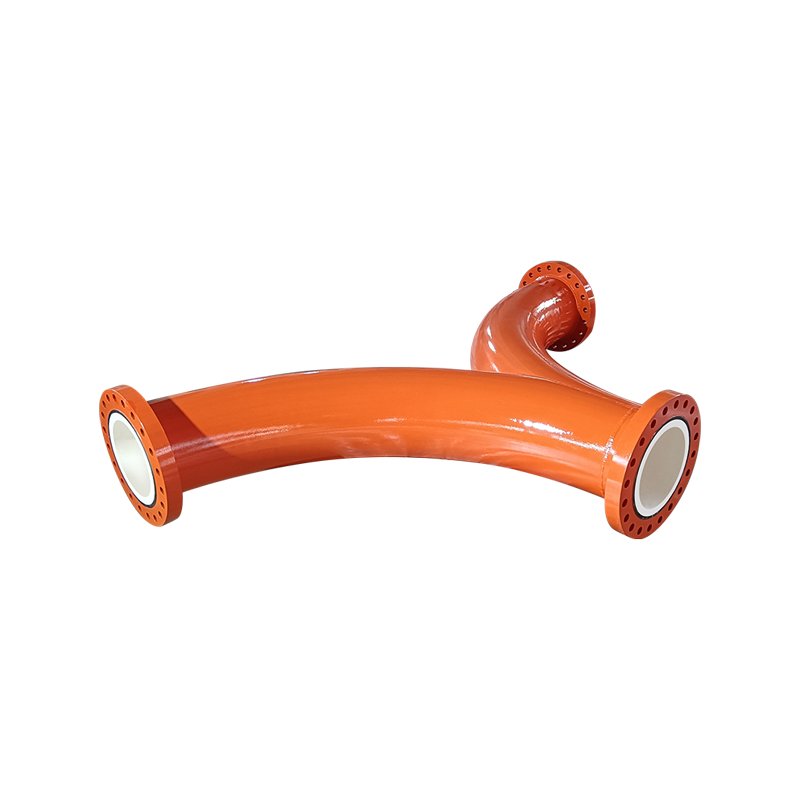
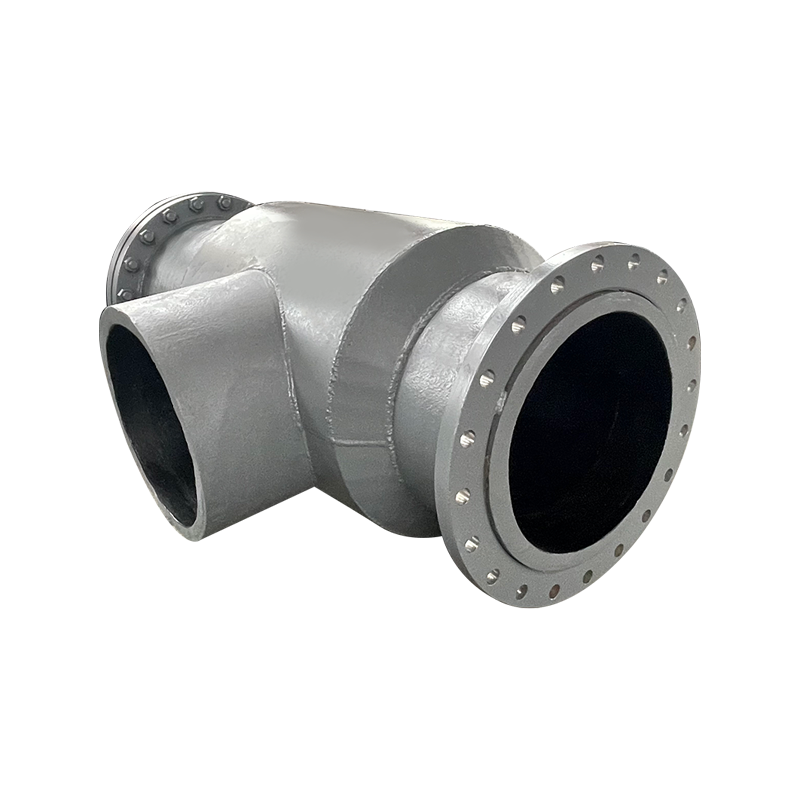
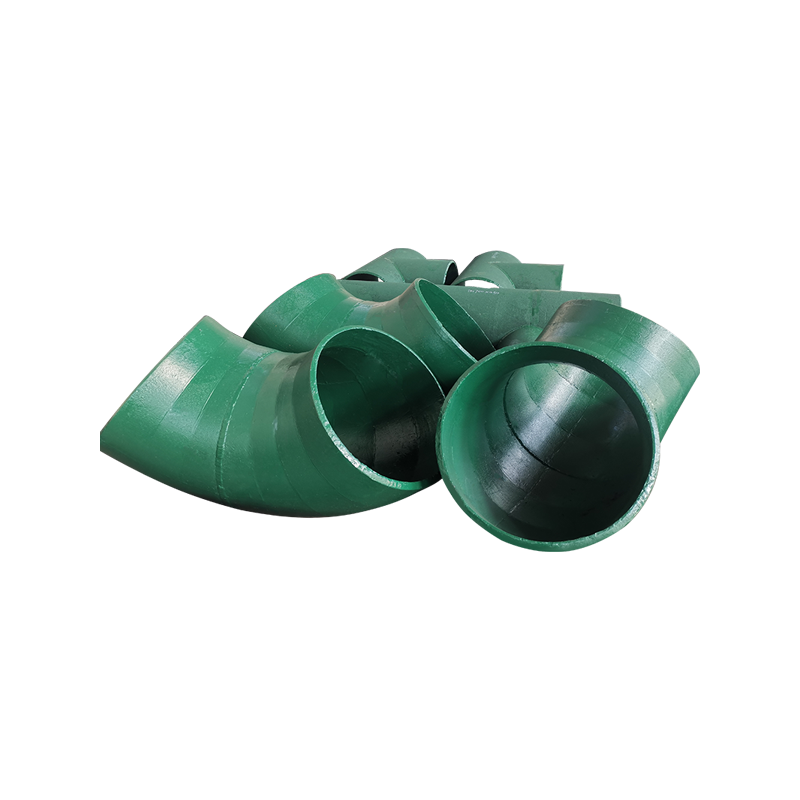
Additional Industrial Applications — Beyond mining, cement, and power generation, High Chromium Alloy Wear-Resistant Lining is widely used in other sectors requiring protection against abrasive wear, particle erosion, and mechanical impact. Common applications include bulk material handling systems, slurry pipelines, feeders, vibrating screens, and conveyor chutes, where continuous movement of abrasive materials can quickly degrade unprotected surfaces. The alloy’s microstructure, characterized by uniformly distributed hard chromium carbides, ensures resistance to cutting, gouging, and erosion under dynamic operational conditions. By reducing wear rates and maintaining consistent equipment performance, high chromium alloy linings improve operational efficiency, decrease maintenance frequency, and extend the service life of critical components. The predictable wear patterns also facilitate better maintenance planning, allowing operators to schedule interventions before severe damage occurs.
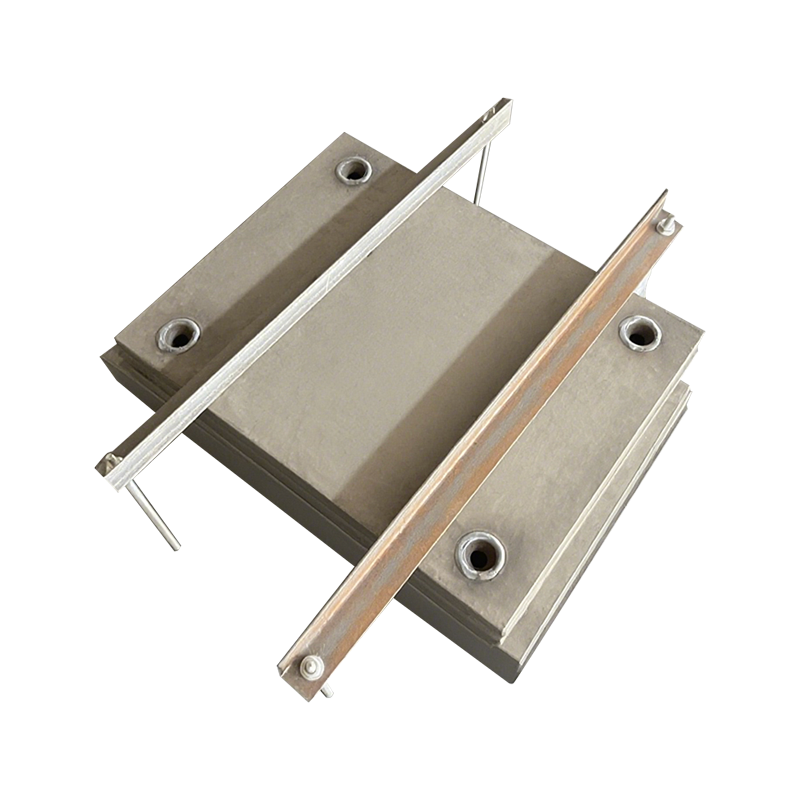
High chromium alloy wear-resistant lining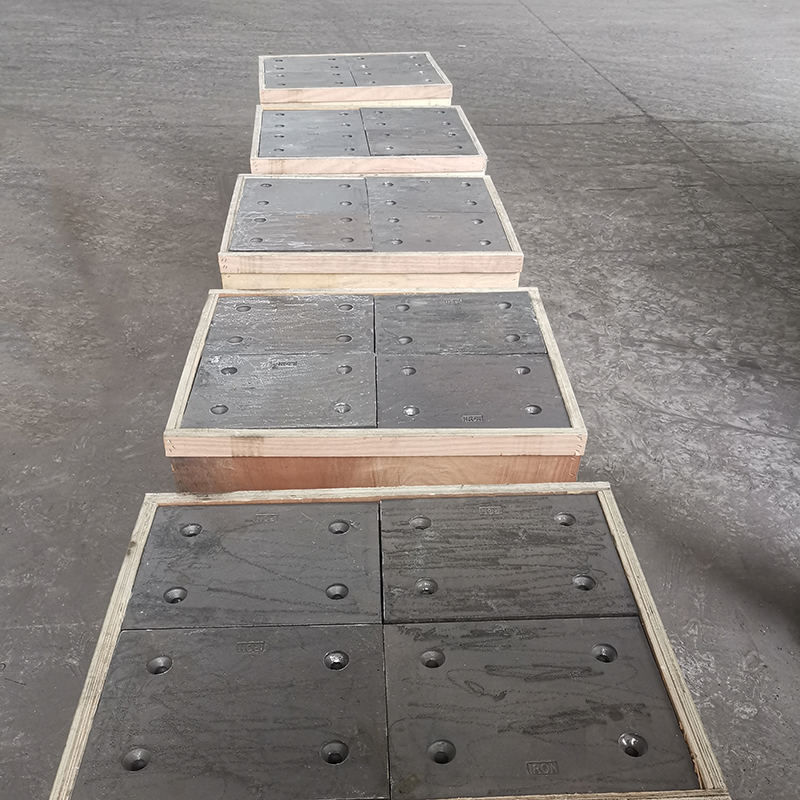
-
Summary of Benefits Across Industries — The primary applications of High Chromium Alloy Wear-Resistant Lining are directly related to abrasive, erosive, and impact-prone environments, where traditional materials would fail prematurely. In mining, it protects ore-handling and grinding equipment; in cement, it safeguards kilns, mills, and chutes; in power generation, it reinforces coal and ash handling systems. Across all these applications, high chromium alloy linings provide extended equipment life, reduced maintenance downtime, improved operational reliability, and lower total lifecycle costs. Its combination of hardness, toughness, impact resistance, and thermal stability makes it an ideal solution for industries where abrasive wear is a dominant operational challenge, ensuring consistent performance, safety, and efficiency in demanding industrial processes.
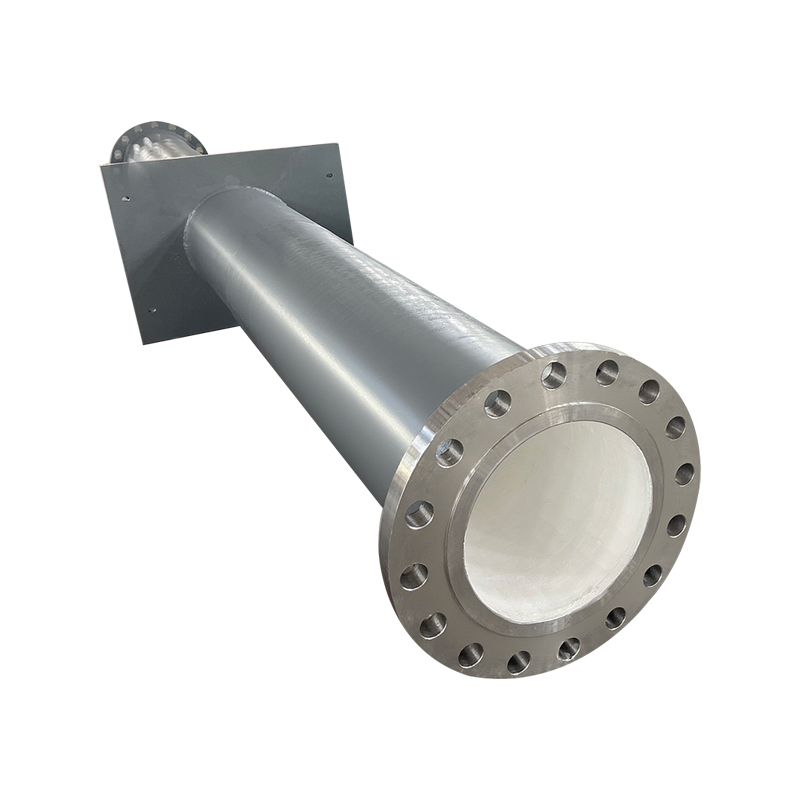
The Ultimate Guide to Wear-Resistant Alloy Linings: Choosing the Right Material for Your Application
Introduction to Wear-Resistant Alloy Linings What are Wear-Resistant Alloy Linings? Wear-resistant alloy linings are engineered protective layers made from spec...
READ MORE