Search
 русский
 Español
 عربى
عربى
Direct Conclusion on Thickness Impact
The thickness of Ceramic composite wear-resistant lining directly influences its protective performance. Thicker linings provide higher abrasion resistance, longer service life, and better impact absorption, whereas thinner linings are prone to accelerated wear and potential substrate damage under high-stress conditions. In practice, increasing thickness from 10 mm to 20 mm can enhance service life by 30–50% depending on material flow and abrasive type.
Effect of Thickness on Abrasion Resistance
Ceramic composite wear-resistant lining relies on a combination of hard ceramic tiles and metal backing. Thicker linings distribute abrasive forces over a larger volume, reducing localized wear and surface penetration. In laboratory tests, 15 mm linings exposed to silica sand abrasion at 25 m/s showed 25% slower wear rates compared to 10 mm linings, highlighting the critical role of thickness in high-velocity material handling.
Impact Resistance and Mechanical Strength
Beyond abrasion, thickness affects impact resistance. Thinner Ceramic composite wear-resistant lining may crack or delaminate under heavy impact from bulk materials, while thicker linings absorb energy more effectively. For example, a 20 mm lining can withstand impact energies of up to 50 J/cm² without visible damage, compared to 30 J/cm² for a 12 mm lining.
Thermal and Structural Considerations
Variations in thickness also influence thermal expansion and stress distribution. A uniform 18–20 mm lining reduces the risk of micro-cracks caused by temperature fluctuations. Uneven or insufficient thickness can lead to stress concentration points, accelerating degradation. Maintaining consistent thickness is crucial for applications involving temperatures above 200°C or thermal cycling.
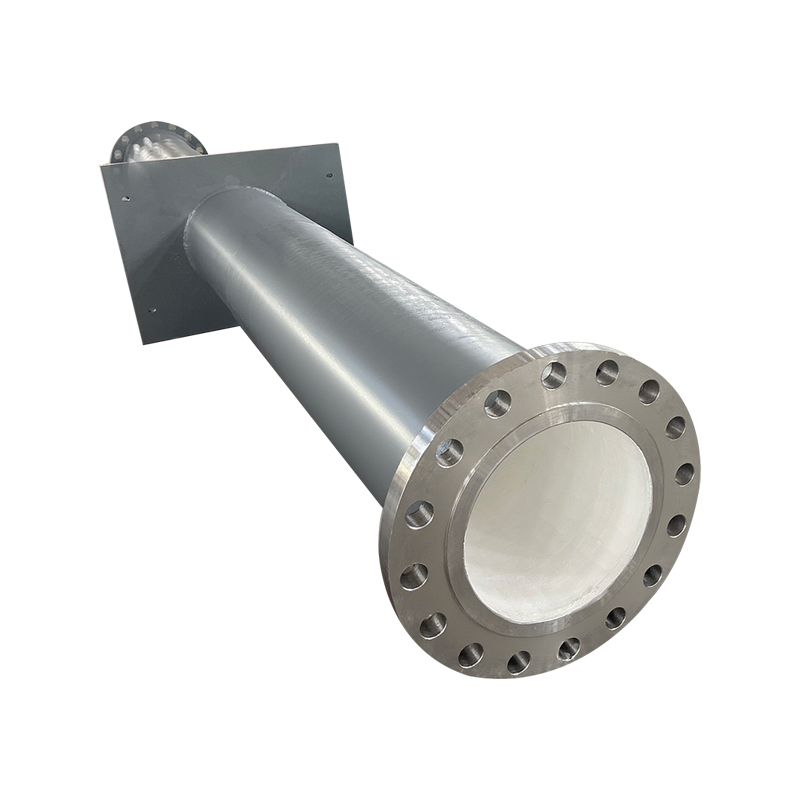
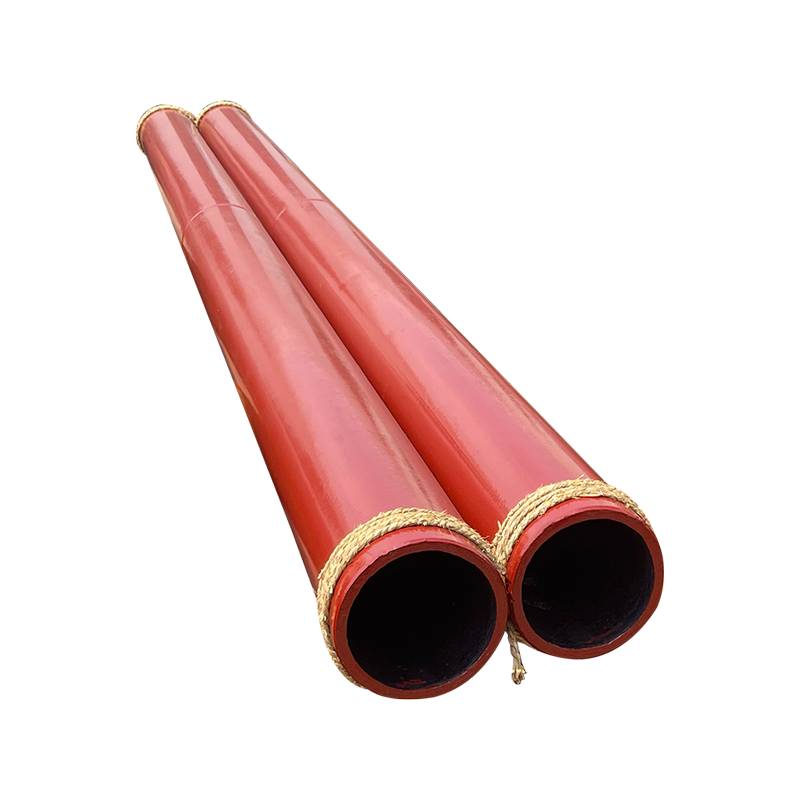
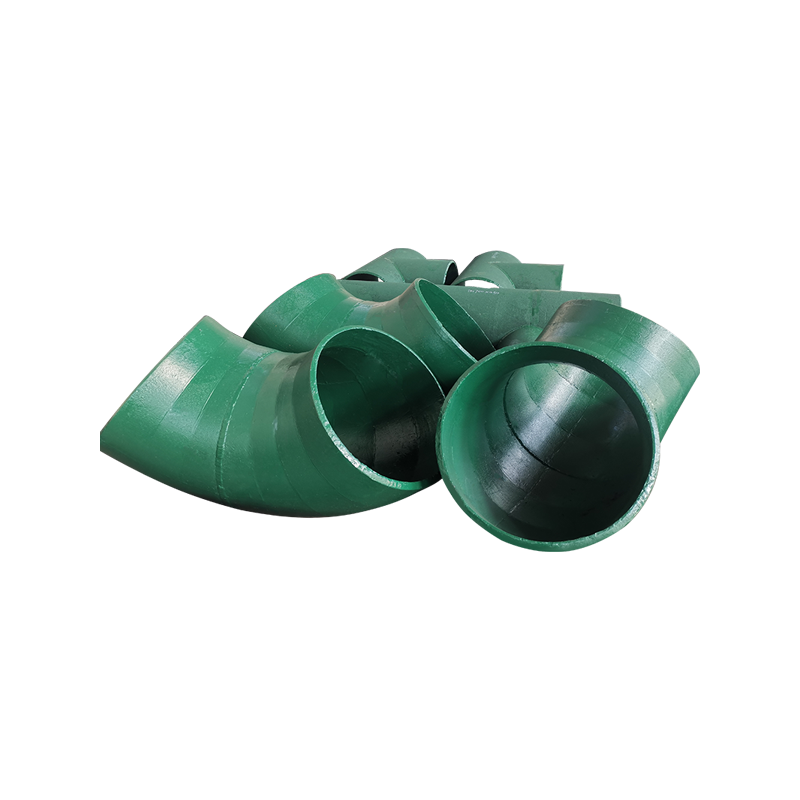
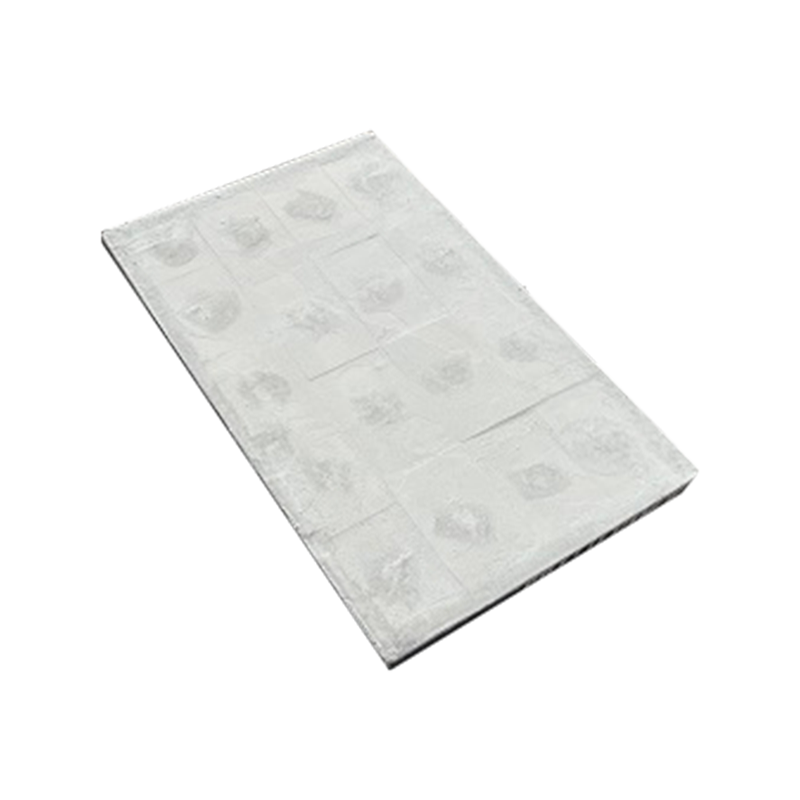
Ceramic composite wear-resistant lining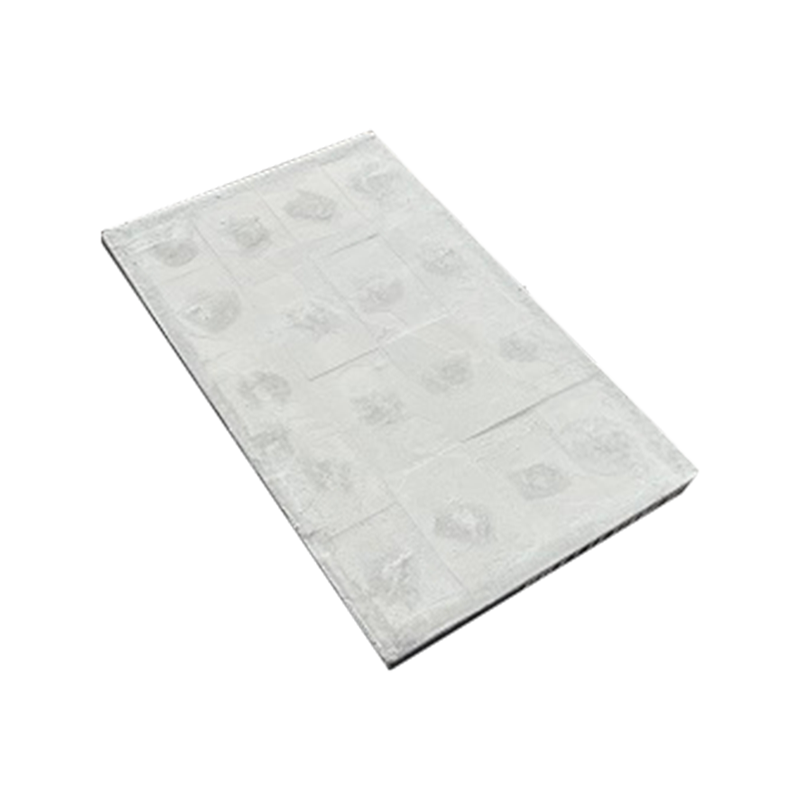
Practical Guidelines for Selecting Thickness
When selecting Ceramic composite wear-resistant lining thickness, users should consider:
- Type and velocity of abrasive material
- Impact frequency and load intensity
- Temperature fluctuations in operating environment
- Expected maintenance cycles and cost constraints
Following these guidelines ensures the optimal balance between durability and cost-efficiency in industrial applications.
Comparison of Thickness and Wear Performance
| Lining Thickness | Wear Rate (mm/month) | Expected Service Life (months) |
|---|---|---|
| 10 mm | 1.5 | 6–8 |
| 15 mm | 1.0 | 12–14 |
| 20 mm | 0.7 | 18–22 |
Observation: Service life increases almost proportionally with thickness, while wear rate decreases, demonstrating the clear benefit of thicker linings for high-abrasion applications.
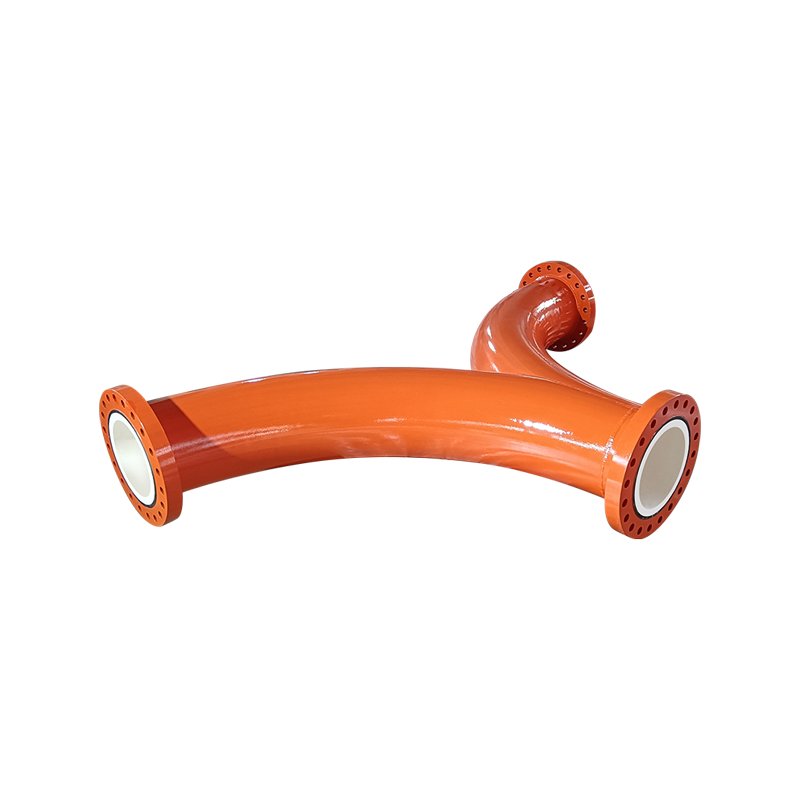
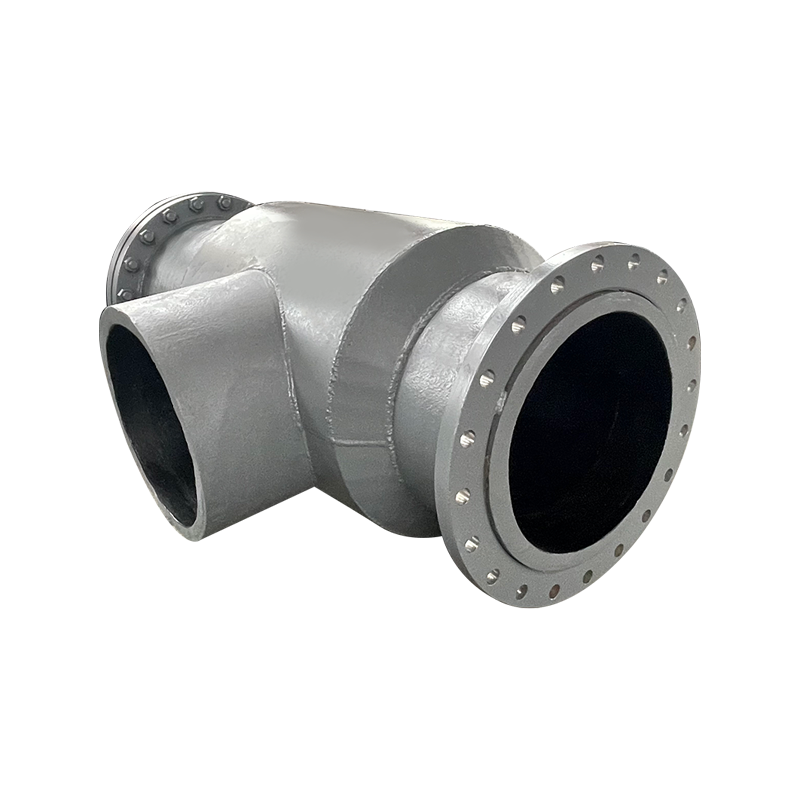
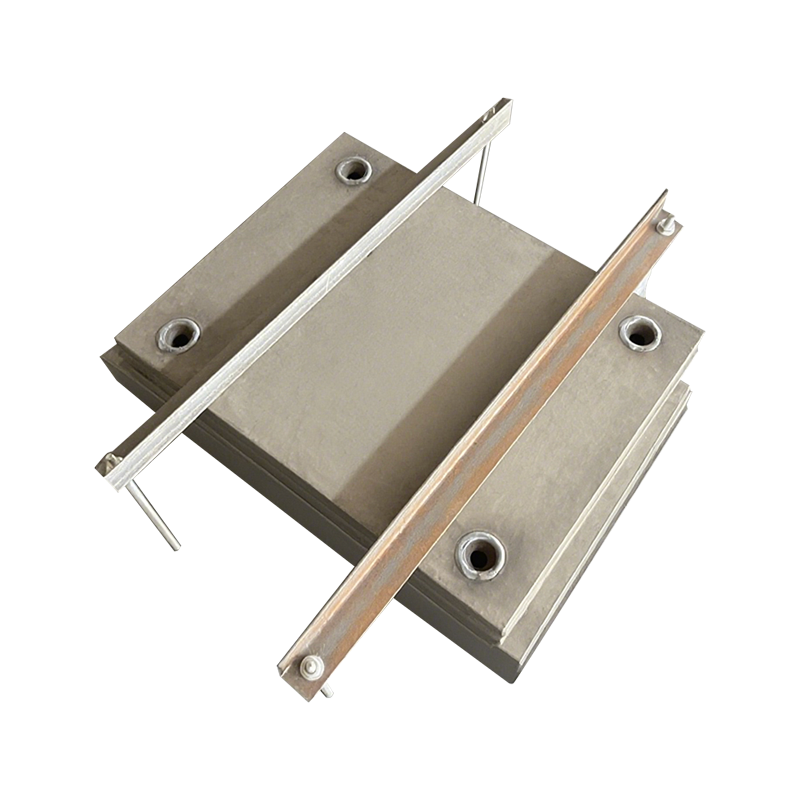
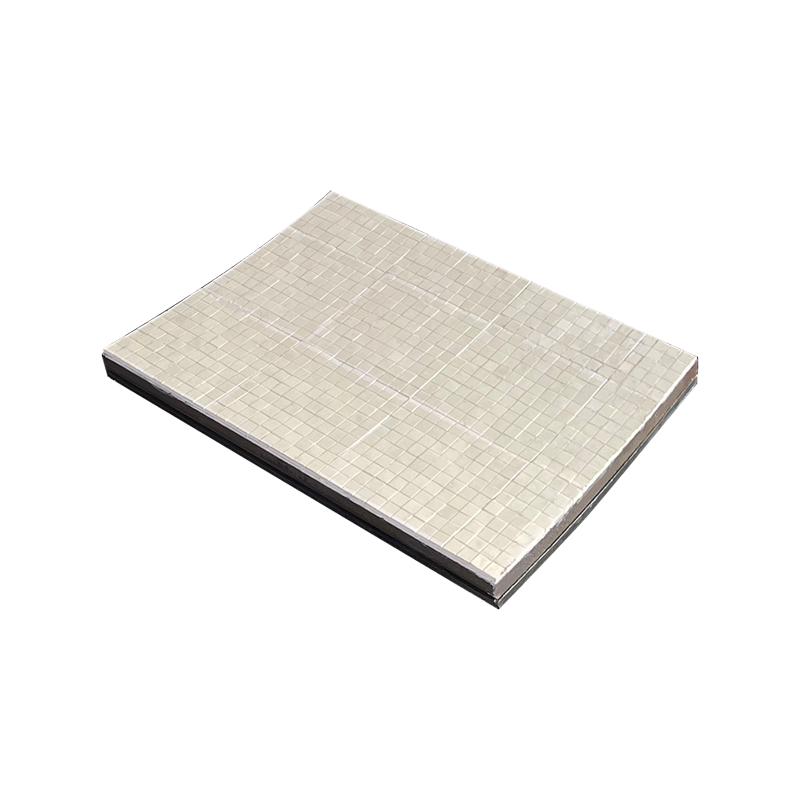
Ceramic composite wear-resistant lining
Thickness variation in Ceramic composite wear-resistant lining plays a decisive role in protective performance. Thicker linings improve abrasion resistance, impact tolerance, thermal stability, and service life, while thinner linings may fail prematurely under high-stress conditions. By carefully selecting and maintaining the appropriate thickness, users can achieve optimal durability and cost-efficiency in their industrial operations.