Search
 русский
 Español
 عربى
عربى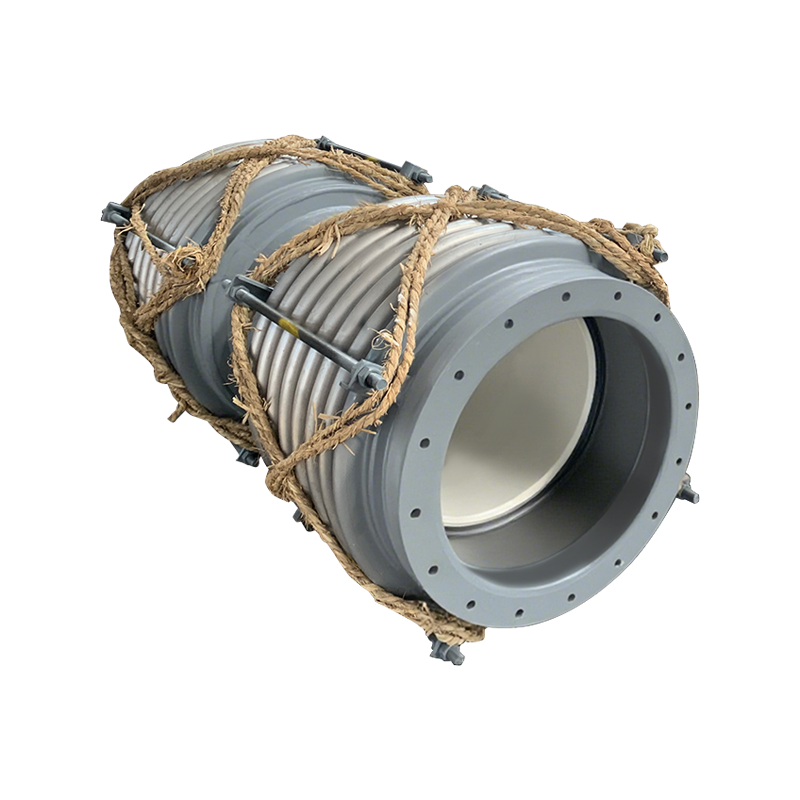
Thermal Expansion Compensation
In piping systems, temperature fluctuations—whether due to seasonal changes, system operation, or environmental factors—inevitably cause pipes and their components to expand and contract. These expansions and contractions exert significant stress on the piping system, which could lead to leaks, ruptures, or other forms of failure. Metal bellows expansion joints are specifically designed to accommodate these thermal movements by providing the flexibility needed to absorb the dimensional changes caused by heat. By offering controlled expansion and contraction, these joints protect the piping system from stress-induced damage and preserve its structural integrity. This capability is crucial for systems that deal with high-temperature fluids, such as those in steam pipelines, thermal power plants, boilers, or heat exchangers, where temperature variations are frequent and significant. Without expansion joints, the repeated cycles of expansion and contraction would result in mechanical failure, reduced system efficiency, and potentially costly repairs.
Metal compensator
Absorption of Vibration and Shock
Mechanical systems, especially those involving pumps, compressors, or turbines, are often subject to vibrations or shock loads that originate from machinery operation. These forces can create significant strain on the piping system and its components, leading to fatigue and material degradation over time. Metal bellows expansion joints play a pivotal role in mitigating the effects of these vibrations and shocks by acting as vibration dampers. They absorb and dissipate the energy transmitted through the system, thereby reducing the impact of vibrations on both the piping and other equipment connected to it. This reduction in vibrational stress helps prevent the accumulation of microfractures, fatigue failure, and general wear that could compromise the system's long-term performance. Moreover, for piping systems in seismic regions, the ability to absorb shock and vibration is crucial for maintaining the system's integrity during earthquakes or ground movement. In dynamic systems, metal bellows expansion joints effectively protect the system from the damaging effects of mechanical shock, ensuring operational continuity and reliability.
Allowing for Movement
Piping systems must be able to accommodate various types of movement due to different operational conditions. These can include axial movement (lengthwise expansion and contraction), lateral movement (side-to-side shifts), and angular movement (twisting or bending). Metal bellows expansion joints are engineered to handle these movements, providing the flexibility necessary to prevent the pipeline from experiencing undue mechanical stress. Axial movement is particularly common in systems exposed to temperature changes, where the pipe’s length fluctuates as it expands and contracts. Lateral and angular movements may result from seismic activity, settling of the ground, or shifts in the alignment of the pipeline. Without the ability to compensate for these movements, pipelines can become misaligned, resulting in stress concentrations, potential ruptures, or joint failures. The flexibility inherent in metal bellows expansion joints ensures that the system can accommodate dynamic shifts and misalignments without compromising its structural stability. This allows for continuous flow, maintains alignment, and enhances the longevity of both the pipeline and its supporting structures.
Preventing Mechanical Stress
Mechanical stress on pipelines can arise from various sources, including pressure fluctuations, environmental factors, and system movements. Over time, this stress can accumulate, leading to structural weaknesses, such as cracking, corrosion, or fatigue. Metal bellows expansion joints play a vital role in absorbing these stresses by providing a flexible buffer that can adjust to the changing forces exerted on the system. The expansion joint effectively distributes mechanical loads and prevents them from being concentrated on specific areas of the pipeline. Without such a compensating mechanism, high-pressure systems could suffer from localized stress points that would eventually cause failure. The inherent flexibility of the metal bellows joint allows it to act as a protective mechanism, safeguarding the integrity of the system and its components, and thus reducing the likelihood of leaks or catastrophic failures. By absorbing and evenly distributing stress, the expansion joint mitigates the risk of pipe rupture, equipment failure, or safety hazards, which could otherwise result in costly downtime and repairs.
Metal compensator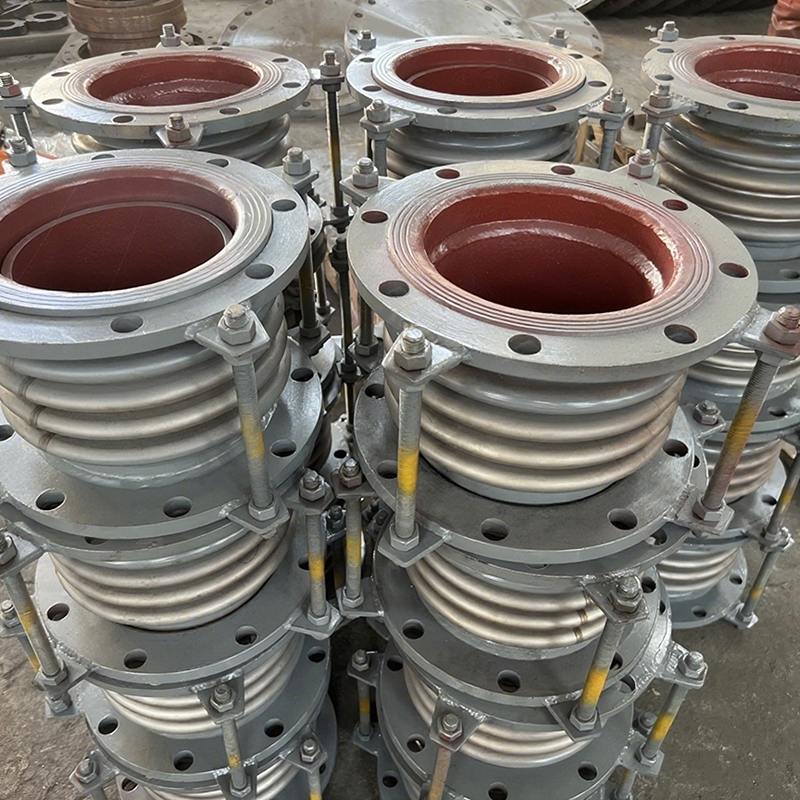
Reducing Stress on Supporting Structures
Piping systems rely on support structures such as brackets, hangers, and supports to hold the pipes in place and prevent movement. However, the forces exerted by thermal expansion, vibration, or pressure fluctuations can be transferred to these supports, potentially leading to their damage or deformation. By absorbing and accommodating these forces, metal bellows expansion joints help to reduce the load placed on supporting structures. This protective function ensures that the supporting elements are not subjected to unnecessary stresses that could lead to their deterioration or failure. As a result, metal bellows joints not only protect the piping system but also safeguard the support infrastructure. This contributes to the overall stability and safety of the system, as well as reducing the risk of structural failure in the supporting elements. By minimizing the stress transferred to the support system, metal bellows expansion joints also reduce the need for frequent maintenance or repairs to these components, leading to cost savings and improved system longevity.