Search
 русский
 Español
 عربى
عربى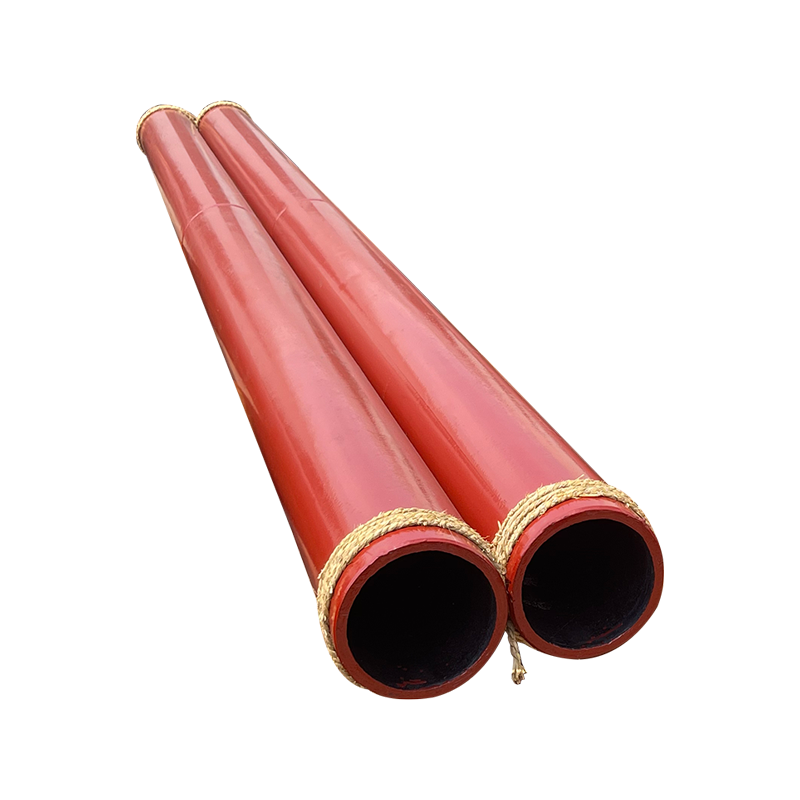
Material Bonding and Composite Structure
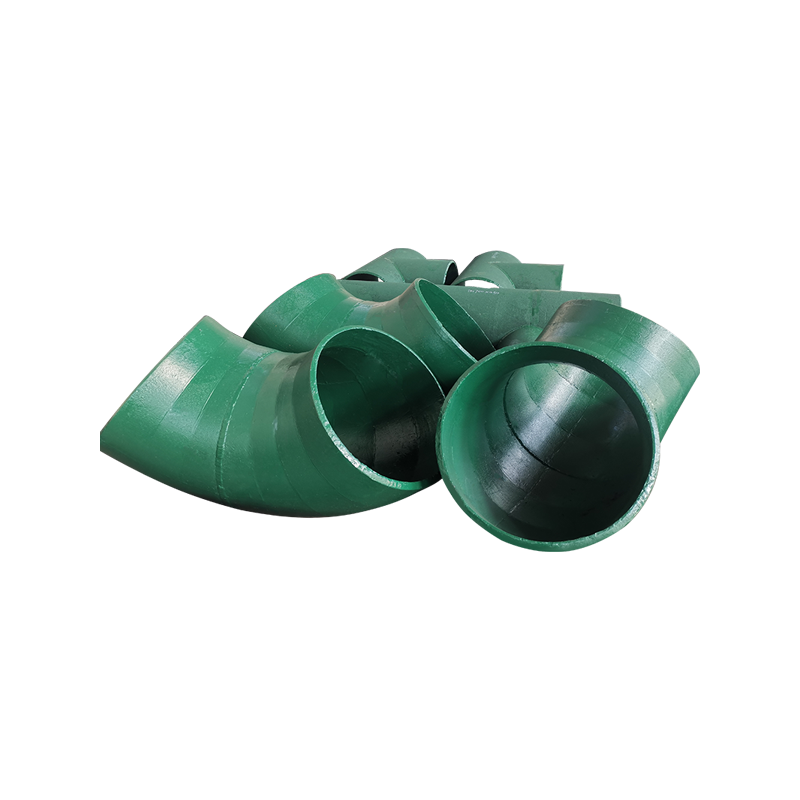
The long-term sealing and leak prevention capability of Ceramic-lined Composite Steel Pipe begins with its carefully engineered composite structure. The ceramic lining is bonded to the steel substrate using advanced techniques such as high-temperature sintering, metallurgical bonding, or specialized chemical adhesives. This bonding process creates a continuous, uniform interface that minimizes the potential for gaps or separation between the steel and ceramic layers. During operation, the steel component provides ductility and structural strength, while the ceramic lining contributes exceptional hardness and erosion resistance. By securely uniting these two materials, the pipe maintains its integrity even when subjected to thermal expansion and contraction caused by repeated heating and cooling cycles. The secure bond prevents delamination or microcracking of the ceramic layer, which is crucial to avoiding leaks in both the pipe wall and at connection points.
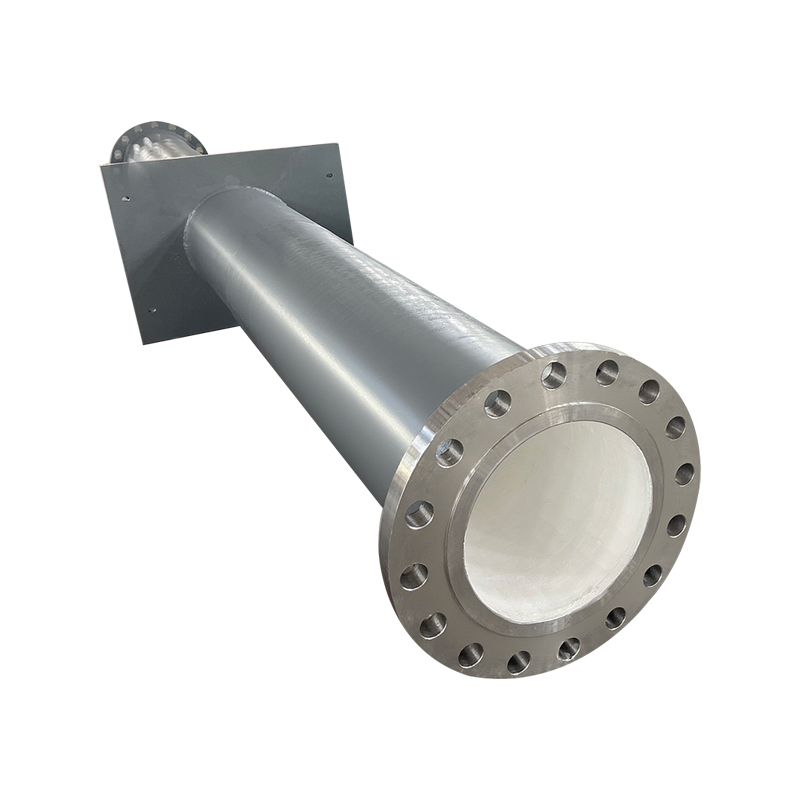
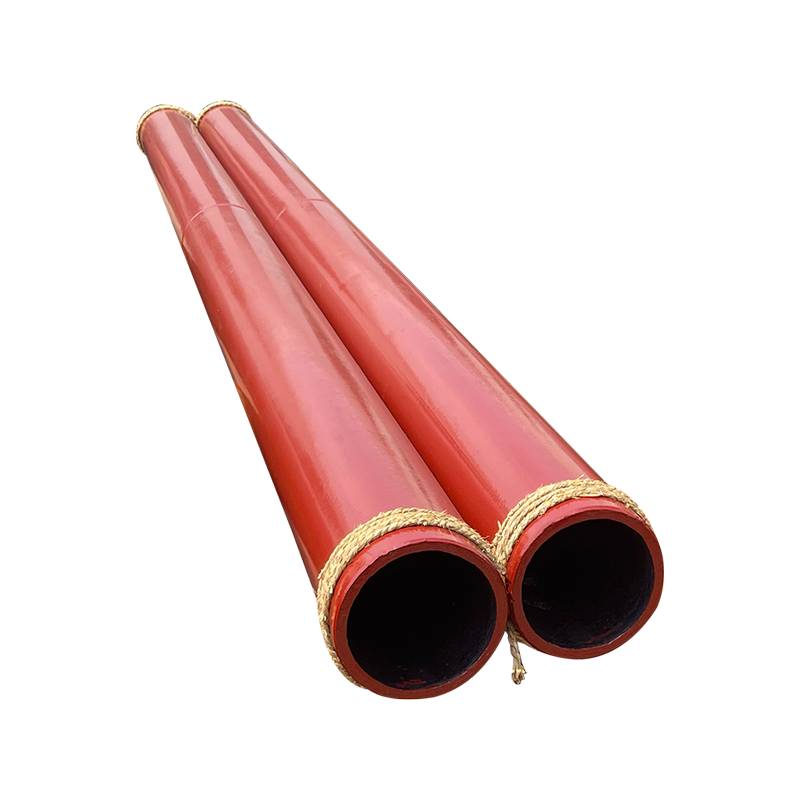
Ceramic-lined composite steel pipe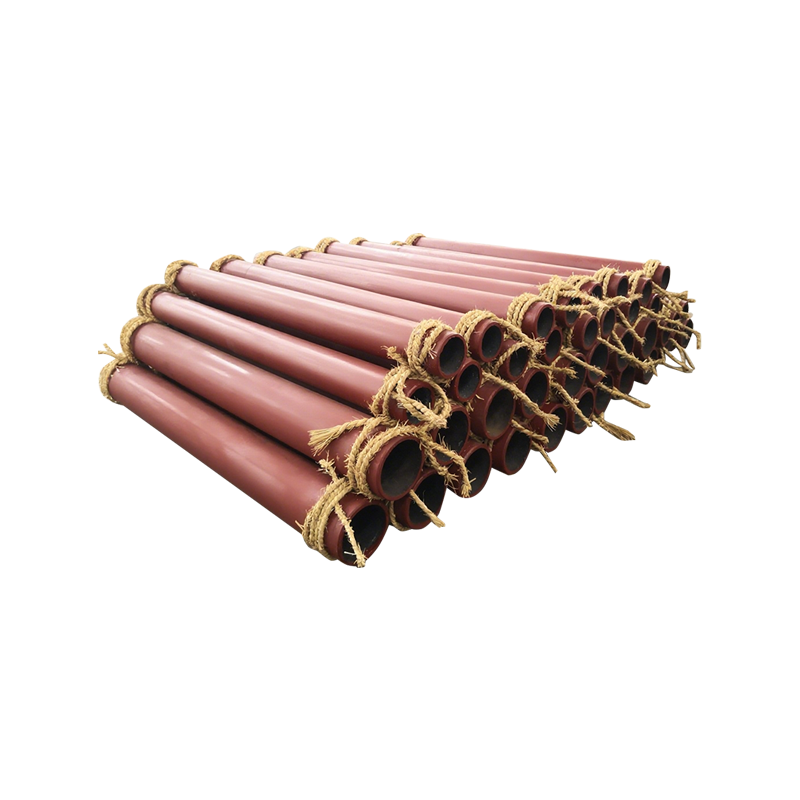
Stress Distribution and Mechanical Resilience
Ceramic-lined Composite Steel Pipes are designed to handle both internal and external mechanical stresses without compromising sealing performance. The composite construction ensures that stresses caused by internal pressure, fluid flow turbulence, vibrations, or mechanical impacts are evenly distributed across the steel and ceramic components. The steel substrate absorbs tensile and flexural stresses, preventing the brittle ceramic lining from cracking, while the ceramic layer protects against abrasive wear from solids in the fluid. Careful design considerations, such as optimizing the thickness ratio between steel and ceramic layers and controlling spike or edge geometries at the lining interface, minimize stress concentration points. This balance between hardness and flexibility ensures that the pipe can undergo repeated mechanical loading or sudden pressure surges without developing leaks, which is critical in slurry, chemical, or high-velocity transport applications.
Jointing and Sealing Techniques
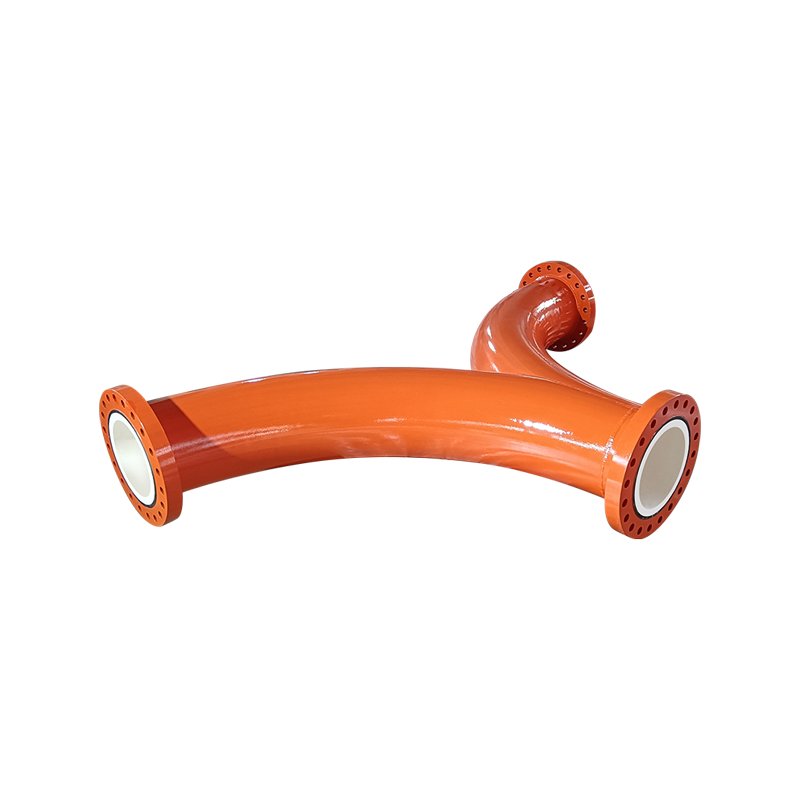
Sealing performance in Ceramic-lined Composite Steel Pipes also depends on the selection of appropriate jointing and gasket systems. Industrial installations often use flanged, grooved, or welded connections combined with chemically resistant elastomeric gaskets to maintain leak-tight seals. These gaskets are designed to compress and deform slightly under pressure, accommodating small relative movements between pipe sections caused by thermal expansion, contraction, or mechanical vibrations. In addition, precise machining of the flanges and careful alignment of pipe sections ensure uniform contact across the entire joint surface. This combination of gasket flexibility and mechanical alignment preserves sealing performance over repeated thermal cycles and prevents fluid leakage at connections, even in high-pressure or abrasive flow conditions.
Thermal Cycling Considerations
Repeated temperature changes can create differential expansion between the steel substrate and ceramic lining, potentially causing microcracks or separation if not properly accounted for. Ceramic-lined Composite Steel Pipes are engineered with materials that have compatible coefficients of thermal expansion (CTE), which reduces internal stresses during heating and cooling cycles. Stress-relief design features, such as gradual edge tapering of the ceramic lining, intermediate bonding layers, or controlled lining thickness, allow slight relative movement between steel and ceramic while maintaining structural cohesion. These design measures ensure that the pipe can expand and contract without compromising the ceramic integrity or the overall sealing performance, thereby preventing leaks even under aggressive thermal cycling conditions encountered in chemical processing, mining, or slurry transport.
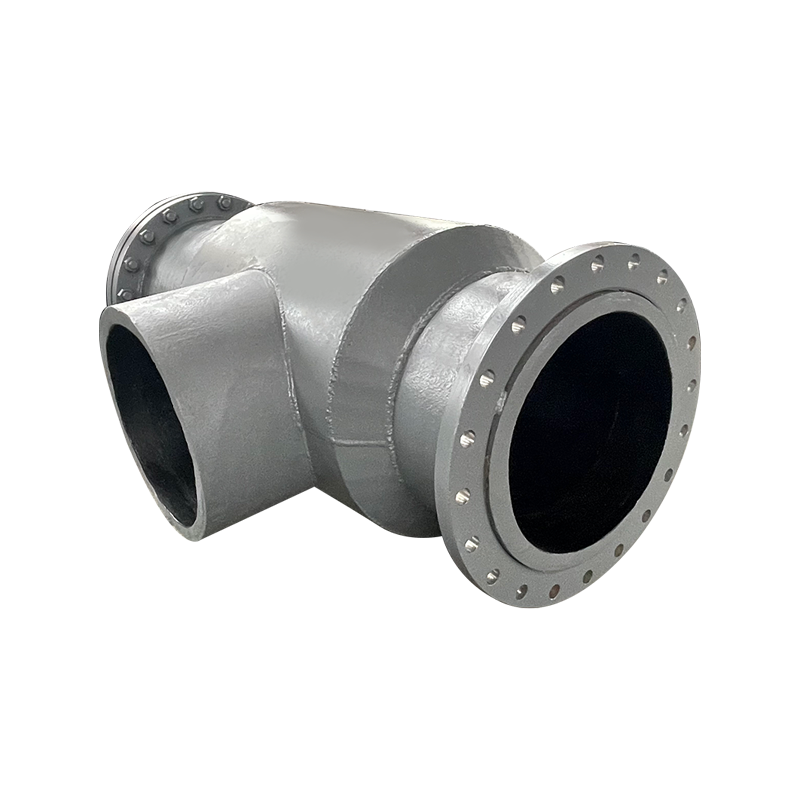
Ceramic-lined composite steel pipe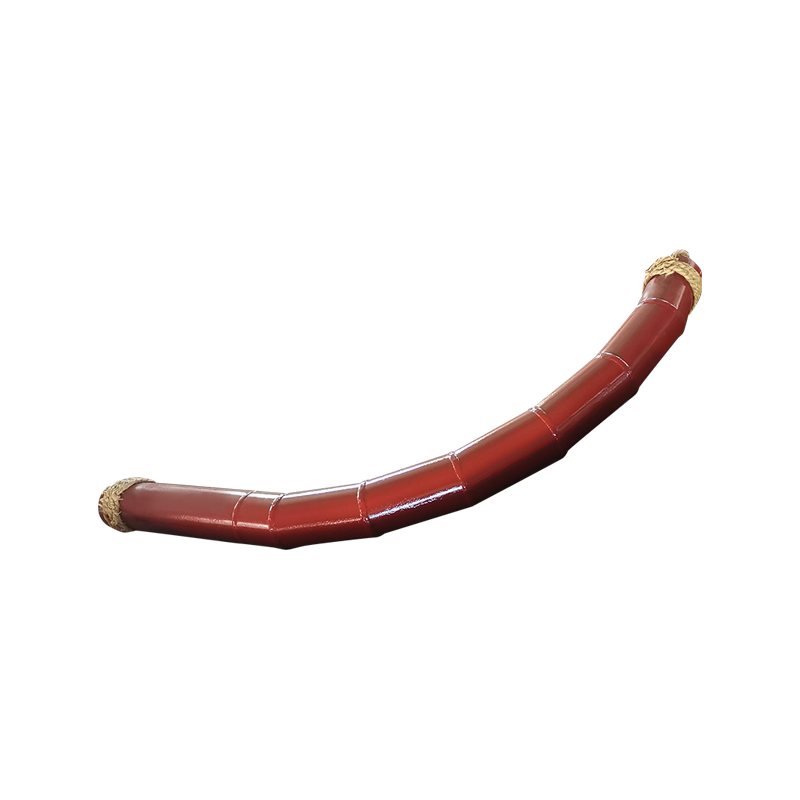
Inspection and Preventive Measures
Maintaining leak-free operation also relies on proper installation, inspection, and preventive maintenance practices. Non-destructive testing methods such as ultrasonic inspection, radiography, or visual inspection can detect early signs of lining separation, cracking, or joint wear before leaks develop. Operators should monitor operating parameters such as pressure, temperature, and flow rates to ensure the pipe is used within its design limits. Periodic maintenance, including torque checks on flanged connections and replacement of worn gaskets, helps preserve sealing integrity over the life of the pipe. By combining robust composite design with proactive monitoring and maintenance, Ceramic-lined Composite Steel Pipes provide long-term, reliable leak prevention, even in harsh industrial environments involving thermal cycling, mechanical stress, or abrasive fluids.