

 Search
 русский
 Español
 عربى
عربى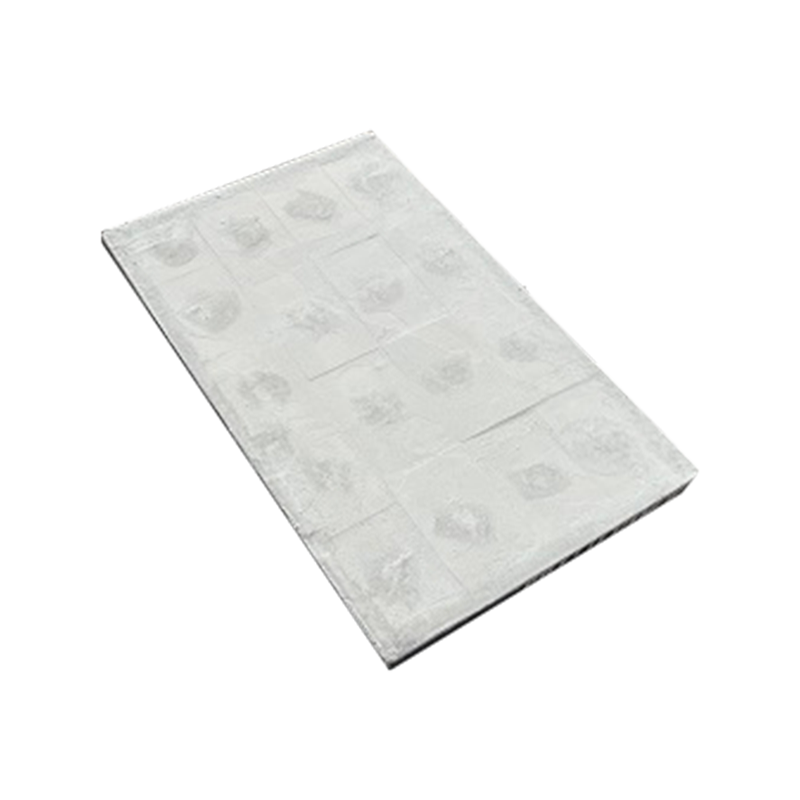
-
Noise Reduction: The Ceramic Composite Wear-Resistant Lining significantly decreases operational noise in heavy machinery by providing a hard yet slightly compliant interface between abrasive or bulk materials and the metal surfaces of equipment such as chutes, hoppers, conveyors, or crushers. In conventional setups without such linings, direct contact between steel surfaces and high-velocity materials generates considerable impact and friction noise, which not only affects worker comfort but can also contribute to regulatory noise violations. By absorbing and dispersing a portion of the kinetic energy produced during material impact, the ceramic composite lining dampens noise levels effectively. The material’s unique composition allows it to maintain structural rigidity while providing controlled energy absorption, resulting in a quieter operation. This reduction in noise enhances the overall working environment, decreases stress on structural components, and minimizes the need for additional soundproofing or protective installations.
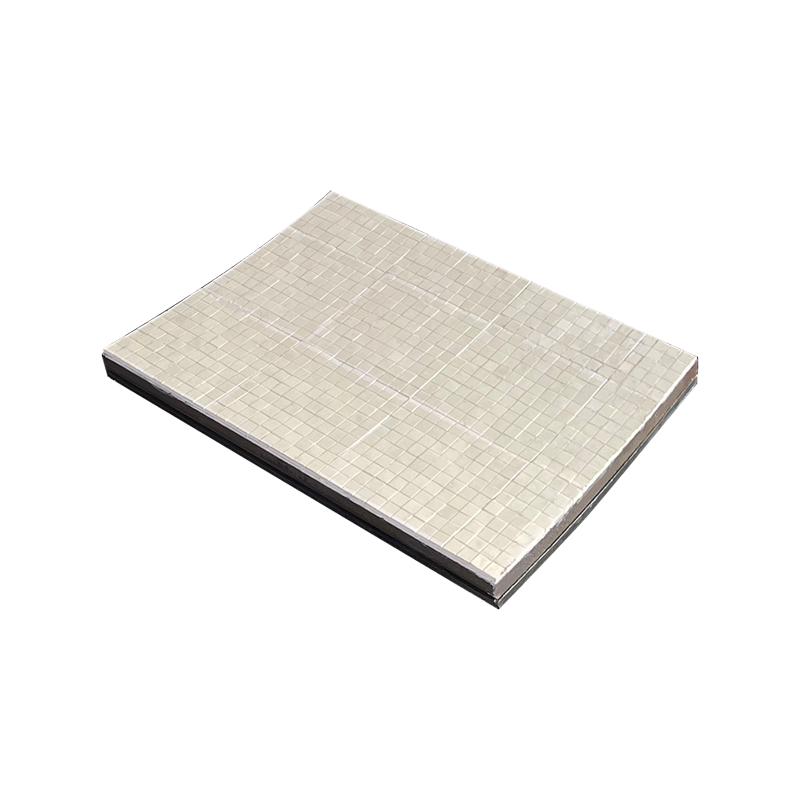
Ceramic composite wear-resistant lining
-
Vibration Dampening: Vibration in heavy machinery arises primarily from uneven impacts, abrasive material contact, and fluctuating forces within equipment during operation. The Ceramic Composite Wear-Resistant Lining mitigates these vibrations by acting as an energy-absorbing layer that dampens peak impact forces before they transfer to the machine frame. This energy dissipation reduces resonance within structural elements, preventing excessive oscillation and mechanical fatigue. In practical applications, such as in feeders, mills, crushers, and bulk material handling systems, vibration dampening improves operational stability, reduces wear on bearings and joints, and extends the service life of critical components. Lower vibration levels also enhance operator safety and comfort by decreasing mechanical shocks transmitted through the machine, minimizing the risk of workplace injuries, and improving overall equipment reliability over extended operational cycles.
-
Energy Efficiency: The Ceramic Composite Wear-Resistant Lining contributes to energy savings by creating a smoother, wear-resistant surface that reduces friction between flowing materials and equipment surfaces. This reduction in friction translates directly into lower resistance during material handling, which allows motors, drives, and conveyor systems to operate at reduced torque requirements while maintaining the same throughput. In high-volume industrial operations, this can lead to significant energy savings, especially in continuous processes like slurry handling, cement production, or mining material transport. Furthermore, the lining preserves its dimensional stability and integrity over prolonged use, ensuring that energy efficiency remains consistent even after extended operational periods. By minimizing surface wear and maintaining smooth material flow, the lining reduces unnecessary energy losses associated with misalignment, blockages, or increased drag, improving the overall operational economy of the equipment.
-
Operational Reliability: By simultaneously reducing noise, dampening vibration, and improving energy efficiency, the Ceramic Composite Wear-Resistant Lining enhances the overall operational reliability of heavy machinery. Machines equipped with this lining experience lower mechanical stress, reducing the risk of accelerated wear, component failure, or downtime due to unplanned maintenance. The lining acts both as a protective barrier against abrasive and corrosive wear and as a functional performance enhancer that stabilizes equipment operation under demanding conditions. Improved operational reliability ensures consistent production rates, reduces maintenance frequency and associated labor costs, and extends the lifespan of the equipment. For industrial operators, this translates into higher productivity, lower operational risk, and a more predictable maintenance schedule, which is critical for large-scale or continuous production facilities.
Ceramic composite wear-resistant lining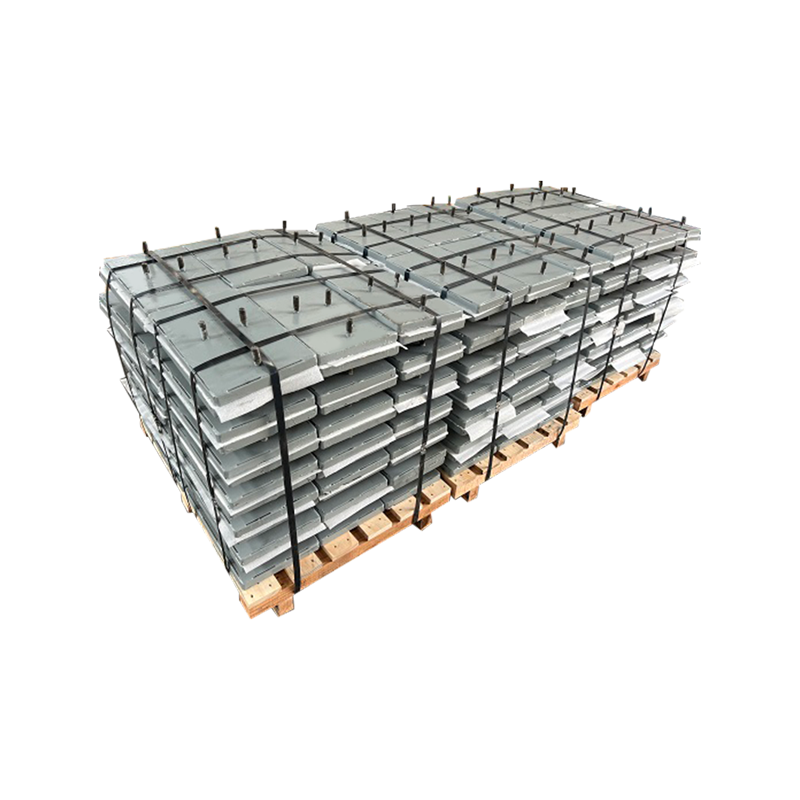
-
Industrial and Operational Benefits: In industries such as mining, cement manufacturing, bulk material handling, and power generation, the benefits of using Ceramic Composite Wear-Resistant Lining are substantial. Reduced operational noise ensures compliance with occupational safety regulations, while vibration control prevents mechanical fatigue and extends equipment life. Energy savings achieved through reduced friction lower overall operating costs, which is especially impactful in energy-intensive processes. Additionally, smoother material flow reduces spillage, clogging, and associated maintenance interventions, further improving productivity. By integrating ceramic composite linings, operators achieve a combination of enhanced safety, reduced environmental impact, lower operational costs, and extended equipment performance, making it a cost-effective and strategic solution for modern heavy-duty industrial applications.
The Ultimate Guide to Wear-Resistant Alloy Linings: Choosing the Right Material for Your Application
Introduction to Wear-Resistant Alloy Linings What are Wear-Resistant Alloy Linings? Wear-resistant alloy linings are engineered protective layers made from spec...
READ MORE