Search
 русский
 Español
 عربى
عربى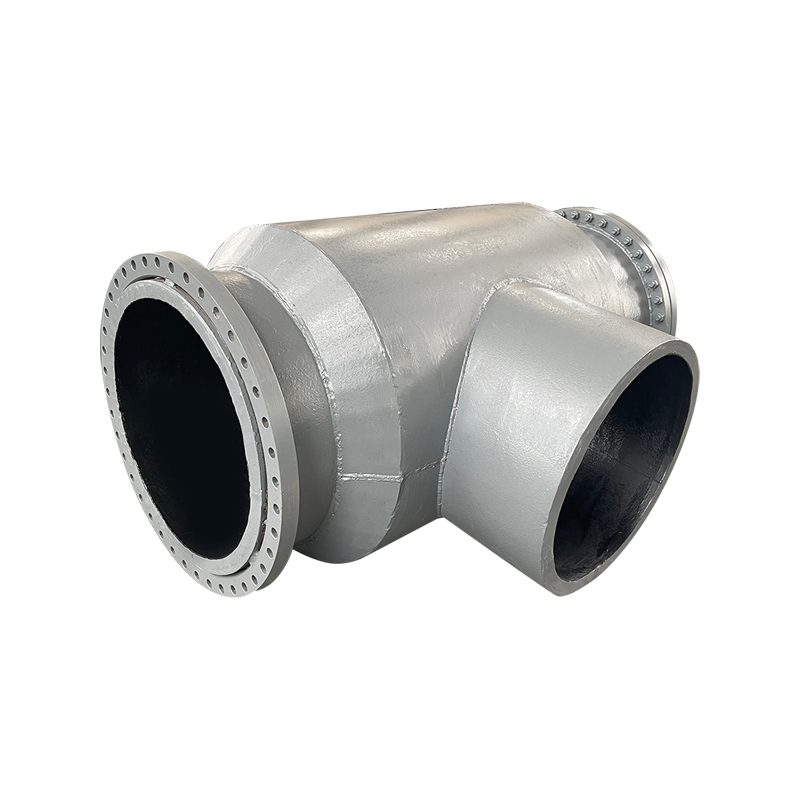
Strength and Integrity of the Bond
The strength and integrity of the bond between the two materials in Bimetallic Composite Wear-Resistant Pipes are critical to the pipe's ability to withstand extreme conditions, such as high-pressure systems, heavy abrasions, and thermal fluctuations. The wear-resistant material is bonded to the structural base material through methods like explosive welding, cladding, or fusion bonding, which create a permanent, mechanically sound connection. The bond's integrity ensures that the two materials work as a cohesive unit without separating or degrading over time, even under intense operational stresses. If the bond is improperly formed, it could lead to delamination, where the wear-resistant layer separates from the base pipe, reducing the pipe's effectiveness and possibly resulting in premature failure. A strong bond enables the wear-resistant layer to protect the core material while allowing it to absorb impact and pressure without compromising the pipe’s overall strength.
The method of bonding also ensures that the wear-resistant layer remains intact even when subjected to significant external forces, including abrasion from moving materials or exposure to abrasive chemicals. This ensures consistent and reliable performance throughout the pipe's lifespan. In essence, a well-bonded pipe not only exhibits increased durability but also greater long-term reliability, providing ongoing protection against both physical and chemical wear.
Resistance to Abrasive Wear
Bimetallic composite pipes are specifically designed to handle abrasive materials, making them indispensable in industries such as mining, cement manufacturing, and oil and gas. The wear-resistant layer, often made of high-hardness alloys like chromium carbide or other advanced composite materials, serves as the first line of defense against abrasive forces. The bond between the inner core and the wear-resistant outer layer plays a significant role in ensuring that this protective layer remains securely attached, even when exposed to high levels of abrasive friction.
The effectiveness of the wear-resistant layer depends heavily on the bonding process. A strong bond ensures that the outer layer maintains its ability to withstand wear, while the ductility and strength of the core material support the pipe structurally. The composite structure enhances the pipe’s durability because the wear-resistant outer layer bears the brunt of the abrasion, while the underlying material absorbs mechanical stress, reducing the likelihood of fractures or breakage.
By securely bonding these materials, the pipe delivers superior abrasion resistance, significantly extending the service life of the pipe, reducing the need for frequent replacements, and lowering the total cost of ownership.
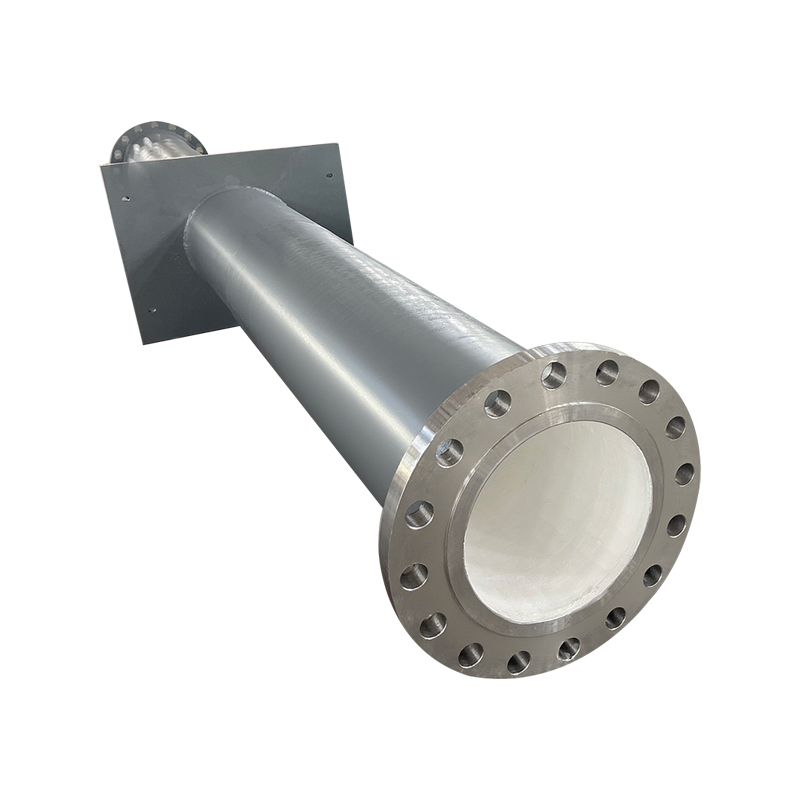
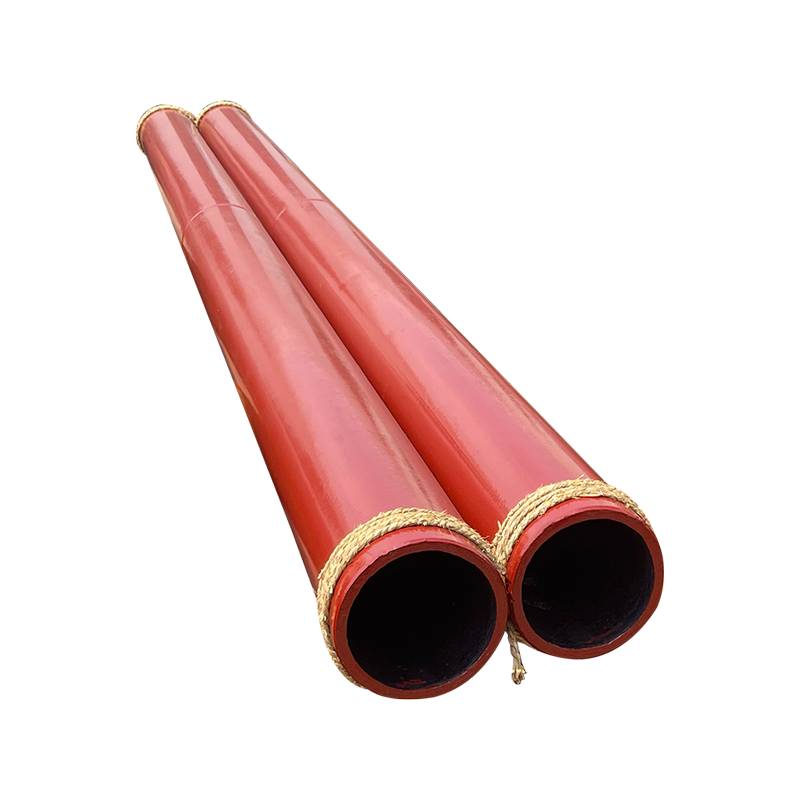
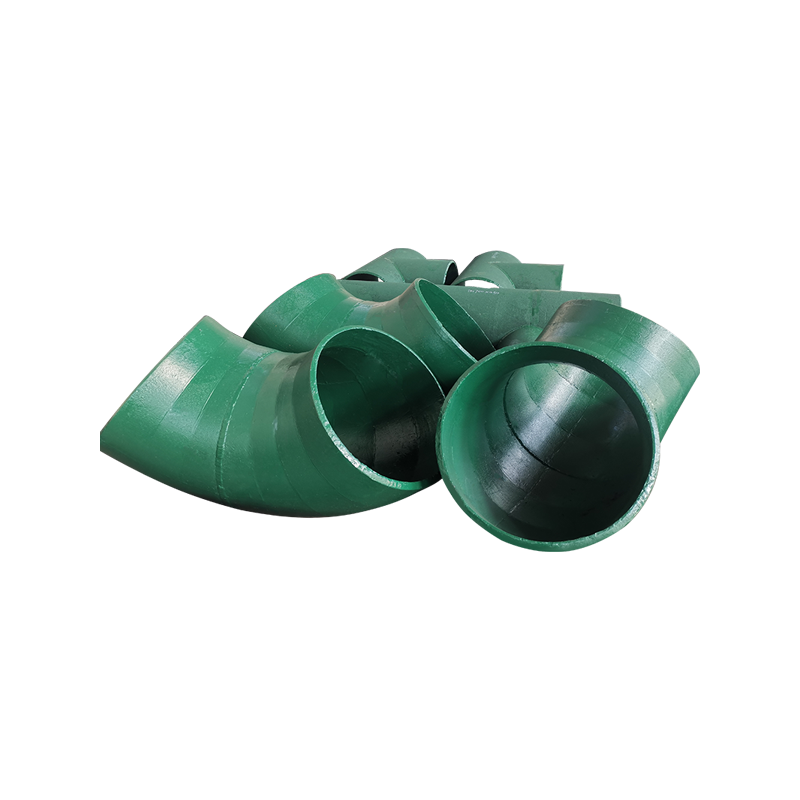
Bimetallic composite wear-resistant pipe
Resistance to Thermal Stress
Thermal stress is a major factor in the performance of pipes in high-temperature environments, such as power generation or chemical processing. The outer layer of a Bimetallic Composite Wear-Resistant Pipe is often made of a material designed to handle high temperatures, while the inner layer is chosen for its thermal conductivity and strength under stress. The bonding process must accommodate the thermal expansion differences between the two materials to prevent damage caused by temperature fluctuations.
Improper bonding can lead to delamination or the formation of gaps between the layers, which could allow thermal expansion to cause the materials to separate. A properly executed bond ensures that the two materials can expand and contract at different rates without compromising the pipe’s structural integrity. This means the pipe remains resilient under thermal cycling, even when exposed to significant temperature changes, such as in furnace applications or hot slurry transportation. The bond's resilience to temperature fluctuations allows the pipe to maintain its wear-resistant properties, preventing cracking, warping, or fatigue from prolonged heat exposure.
Corrosion Resistance
Corrosion is a significant concern in many industrial applications, especially when the pipe is exposed to chemicals, moisture, or oxidizing environments. The choice of materials for both the inner and outer layers in a bimetallic composite pipe is essential for providing corrosion resistance. The core material, often made of carbon steel or stainless steel, offers strength and resistance to pressure, while the outer wear-resistant layer—often composed of alloys resistant to specific corrosive elements—protects against chemical degradation.
The bonding process is critical in ensuring the seamless connection between the two materials. If the bond is compromised, it can create entry points for corrosive agents that can penetrate and degrade the pipe's core material, ultimately reducing its operational life. A strong, continuous bond helps to shield the internal material from corrosion, preserving the pipe's strength and extending its service life, even in highly corrosive environments like chemical refineries, marine applications, or mining operations.
Since bimetallic pipes combine the best of both materials, the corrosion resistance of the outer layer enhances the overall durability of the pipe, preventing rusting or oxidation and maintaining the pipe’s integrity throughout its operational life.
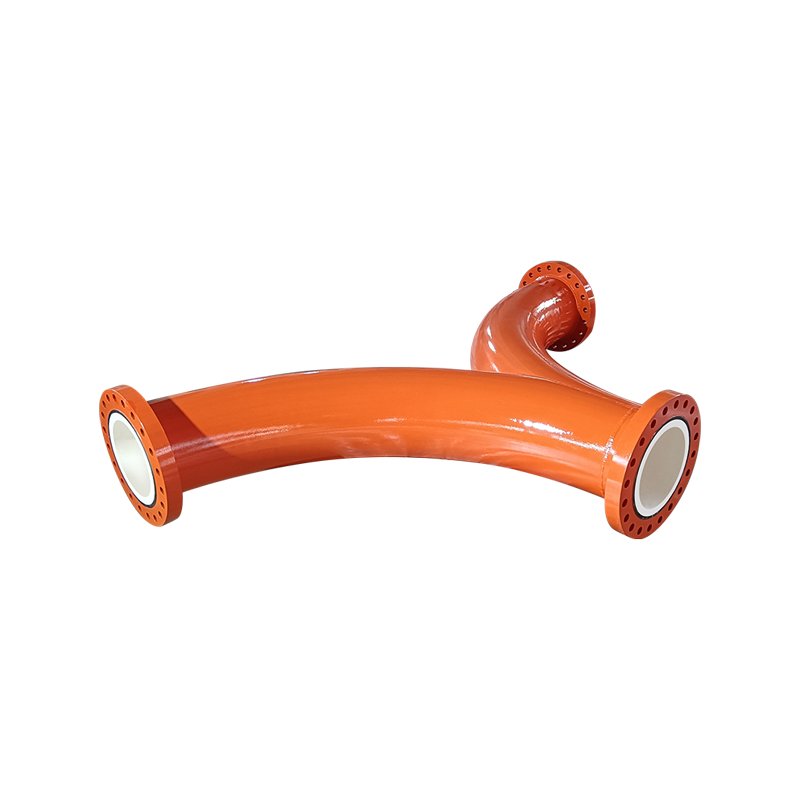
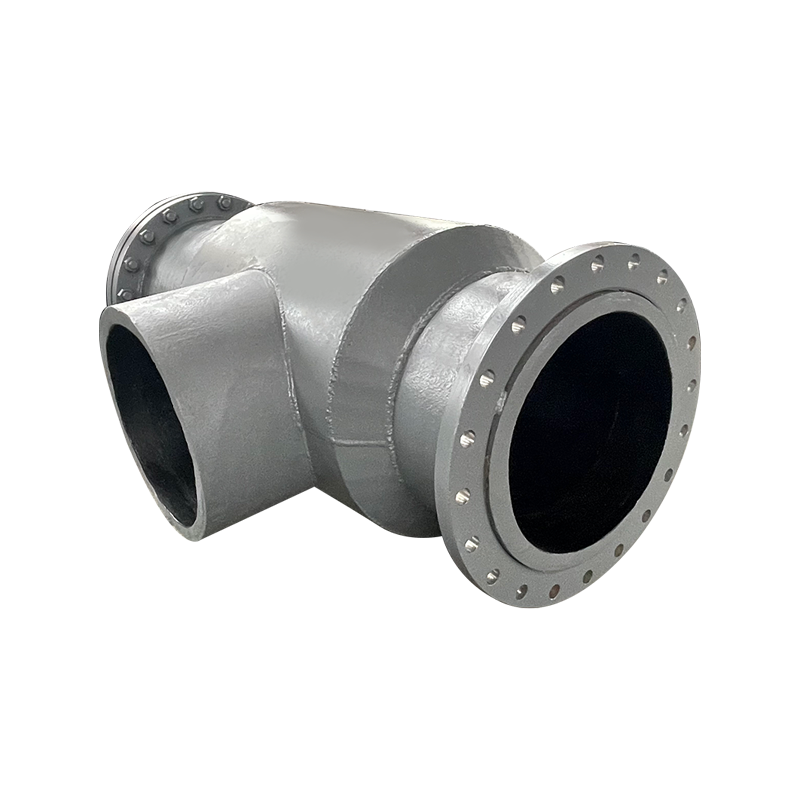
Bimetallic composite wear-resistant pipe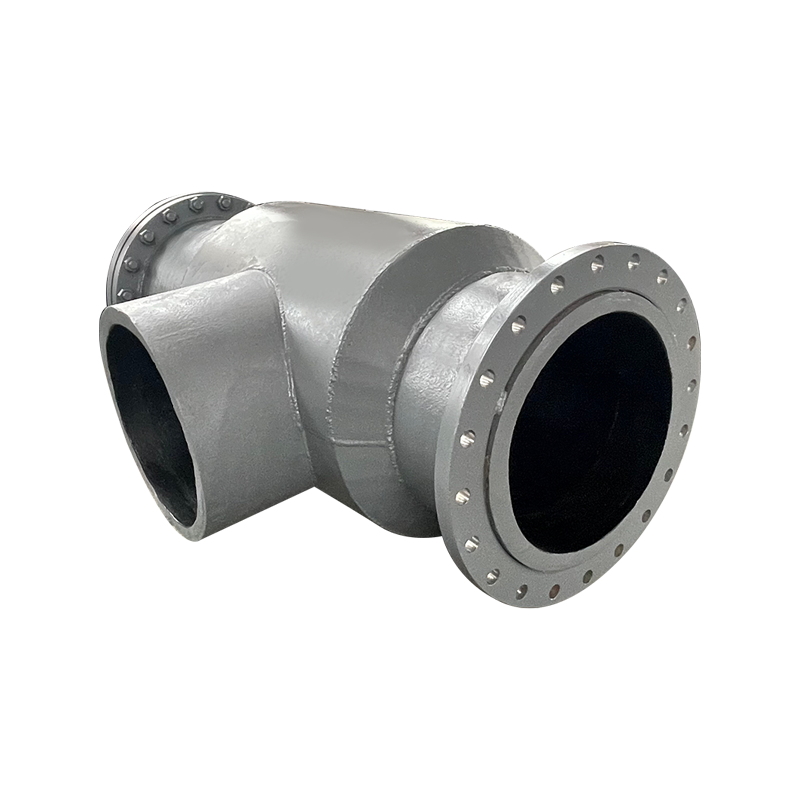
Impact Resistance
The ability of a Bimetallic Composite Wear-Resistant Pipe to withstand impact forces is directly linked to the quality of the bonding between the two materials. The base material typically provides toughness and ductility, ensuring the pipe can absorb shocks or impacts without breaking, while the wear-resistant layer provides the hardness required to resist erosion from abrasive particles.
The bonding process is essential to prevent fractures or delamination under dynamic loading conditions, such as pressure surges, vibrations, or impacts from debris or machinery. A strong bond ensures that the two materials act as one integrated unit, with the wear-resistant outer layer absorbing the abrasive forces and the inner core providing structural support. In applications like slurry transportation, where both abrasive materials and vibrations are common, the pipe must maintain its impact resistance without suffering damage or failure.