Search
 русский
 Español
 عربى
عربى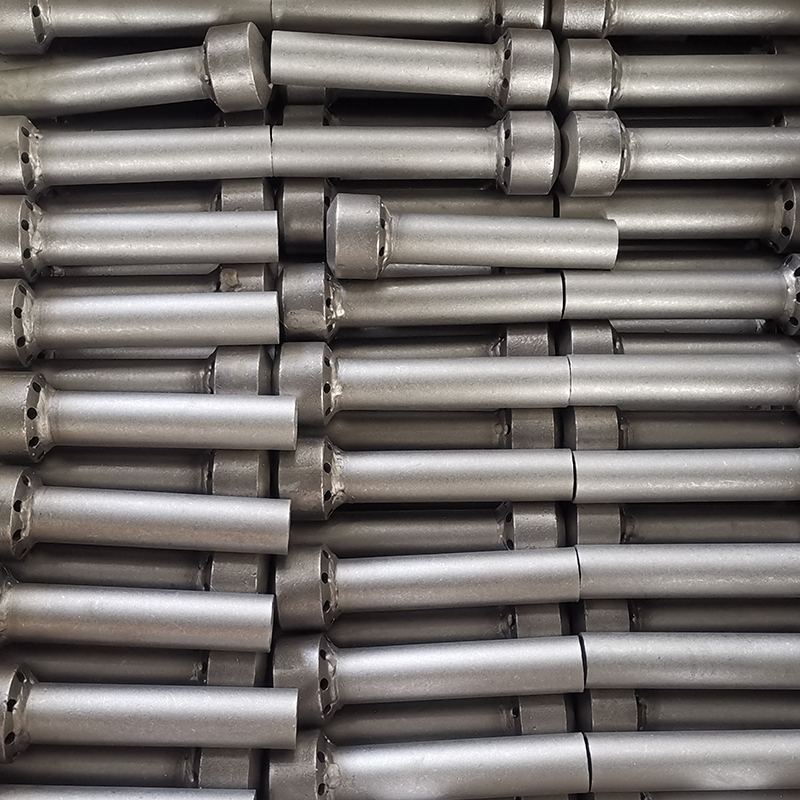
Regulation of Airflow Direction and Velocity
The Boiler Air Nozzle plays a critical role in regulating the direction and velocity of combustion air entering the furnace, which directly influences flame shape and length. By precisely channeling air at controlled angles and speeds, the nozzle determines how the air interacts with the fuel stream. Properly directed airflow ensures that the flame develops in the intended zone of the combustion chamber, preventing excessive flame impingement on furnace walls or heat exchanger surfaces. When airflow velocity is correctly matched to fuel flow, the flame remains compact and well-defined rather than elongated or diffused, contributing to stable heat release and improved thermal efficiency.
Optimization of Air–Fuel Mixing Quality
The Boiler Air Nozzle is essential for achieving effective air–fuel mixing, which is fundamental to flame stability and uniform flame geometry. The nozzle’s internal geometry is designed to generate the appropriate level of turbulence needed to mix combustion air thoroughly with the fuel. Proper mixing ensures that the flame burns evenly across its entire length, avoiding localized fuel-rich or air-rich zones that can cause flame distortion or instability. High-quality air–fuel mixing also supports consistent ignition and sustained combustion, reducing the risk of flame lift-off, blowout, or pulsation during operation.
Control of Flame Length for Furnace Compatibility
Flame length is a key design consideration in boiler operation, and the Boiler Air Nozzle directly influences this parameter by controlling airflow volume and distribution. A well-designed nozzle limits excessive flame elongation by promoting rapid and complete combustion close to the burner throat. This is especially important in compact boilers where space constraints require controlled flame dimensions. By preventing overly long flames, the nozzle helps protect refractory linings, burner components, and heat transfer surfaces from thermal damage while ensuring that combustion energy is efficiently transferred to the boiler system.
Stabilization of the Flame Root and Anchor Point
The Boiler Air Nozzle helps establish a stable flame root by creating a controlled airflow pattern near the burner exit. This stable anchoring zone allows the flame to remain securely attached to the burner under varying load conditions. Without proper nozzle design, fluctuations in airflow or fuel supply could cause the flame to detach, flicker, or oscillate. A stable flame root improves operational safety, reduces the likelihood of flameouts, and ensures smooth transitions during startup, shutdown, or load changes.
Adaptability to Load Variations and Operating Conditions
During boiler operation, load demands often fluctuate, requiring corresponding adjustments in airflow and fuel input. The Boiler Air Nozzle supports flame stability across a wide operating range by maintaining consistent airflow characteristics even as system conditions change. This adaptability prevents sudden changes in flame shape or intensity, which could otherwise lead to combustion instability, pressure fluctuations, or increased emissions. By supporting stable combustion under partial-load and full-load conditions, the nozzle contributes to reliable boiler performance and extended equipment lifespan.
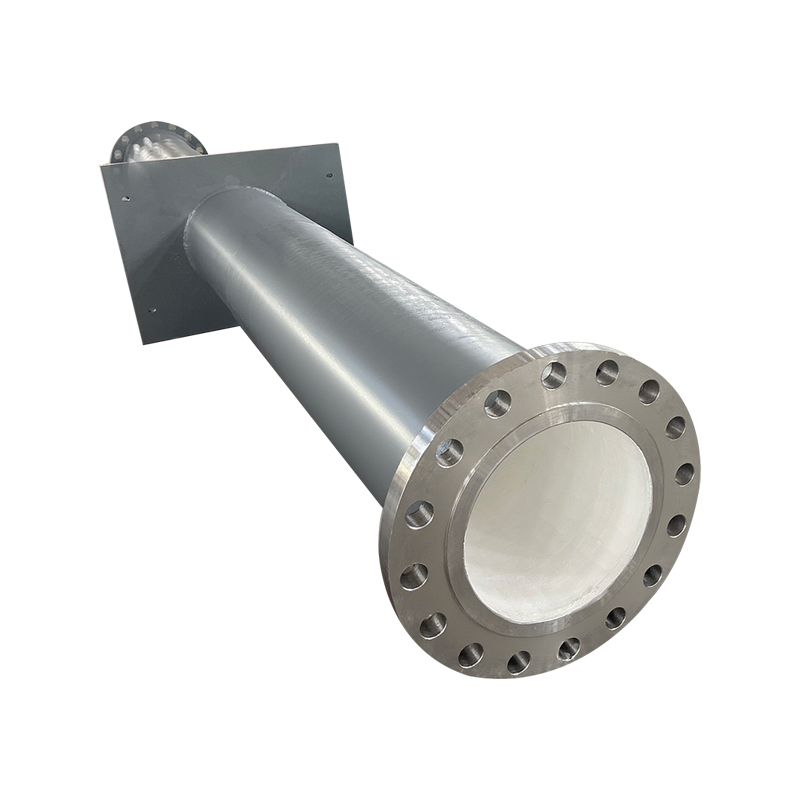
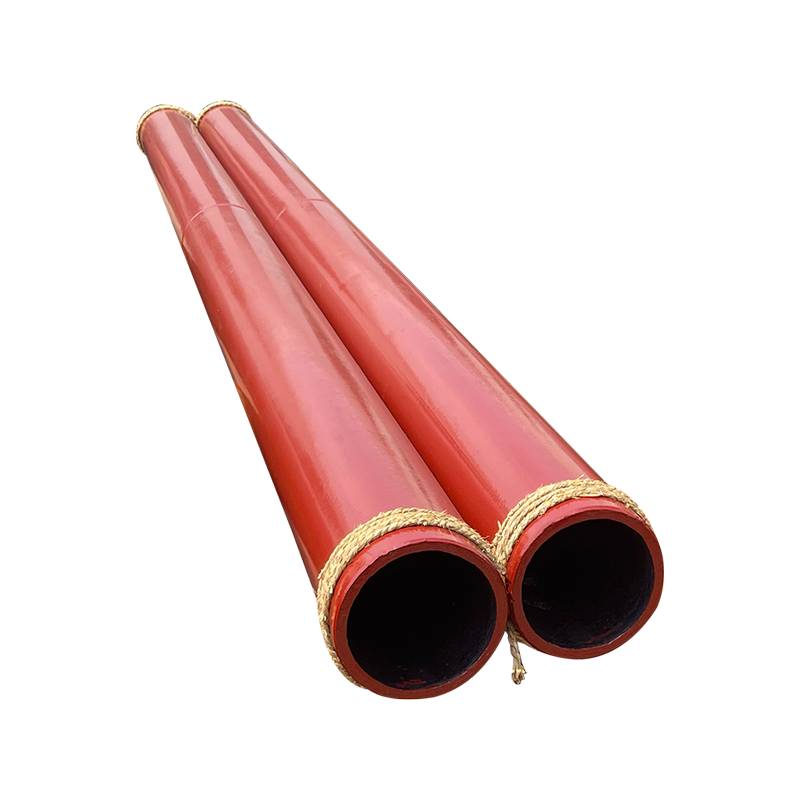
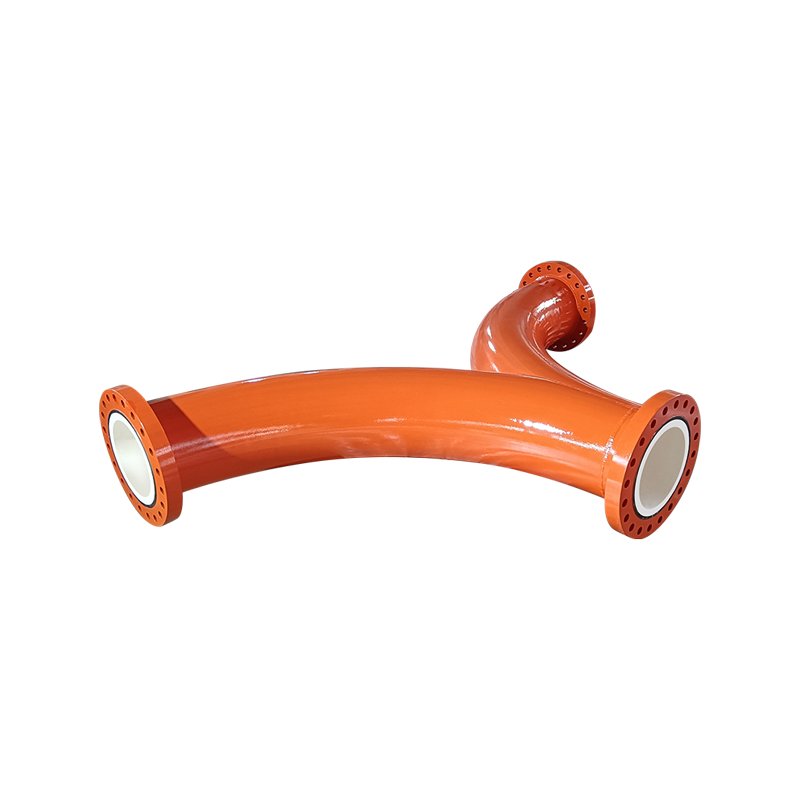
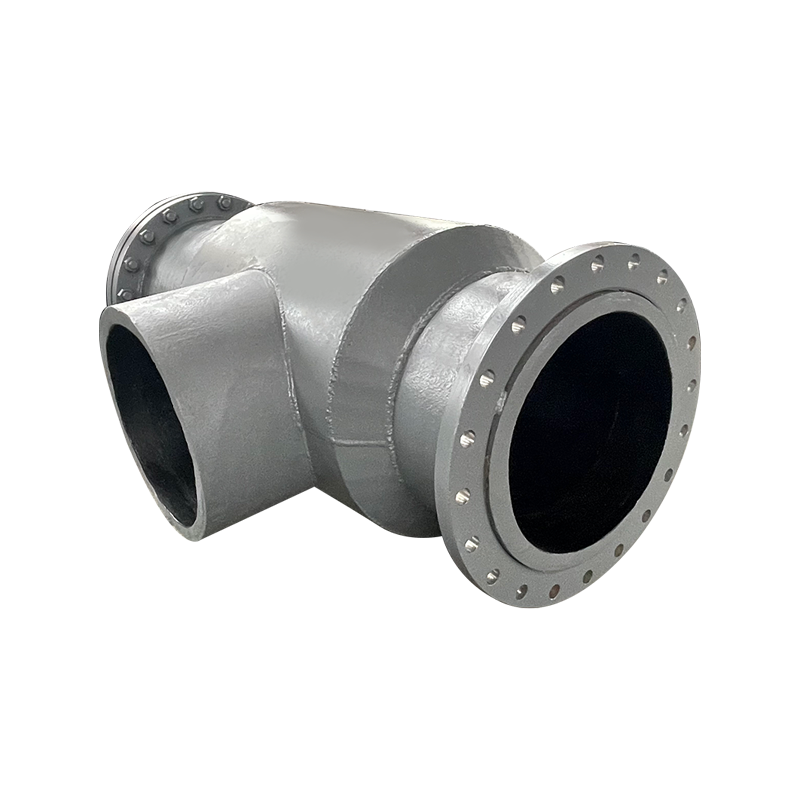
Boiler air nozzle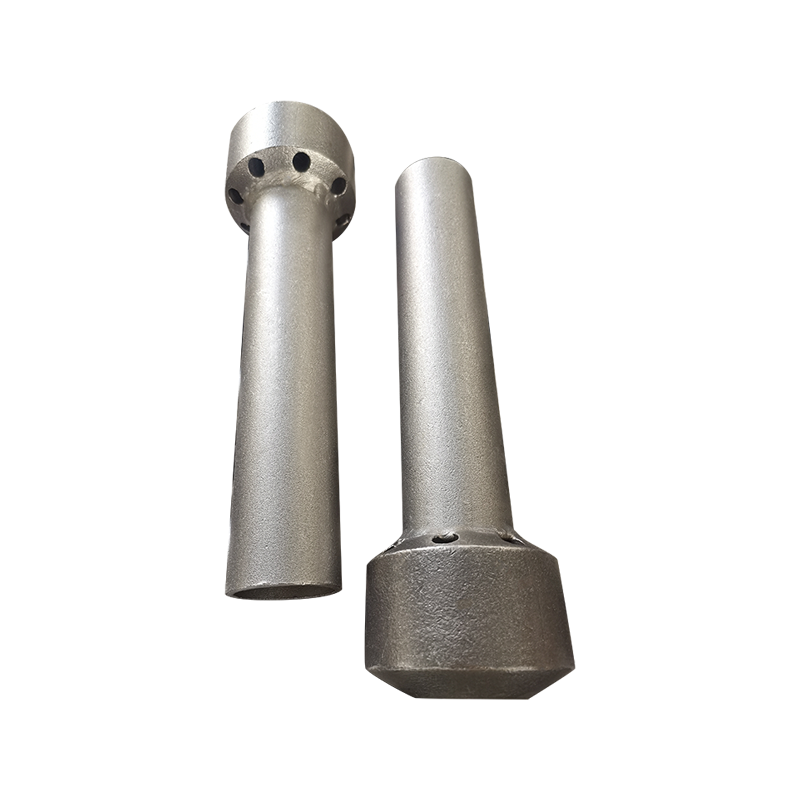
Reduction of Combustion-Related Vibrations and Noise
Unstable flames can generate vibrations, acoustic resonance, and combustion noise that negatively impact boiler performance and structural integrity. The Boiler Air Nozzle mitigates these issues by ensuring smooth airflow transitions and balanced mixing within the combustion zone. A stable, well-shaped flame burns quietly and evenly, reducing pressure oscillations and mechanical stress on the boiler structure. This contributes to safer operation, improved operator comfort, and lower long-term maintenance requirements.