

 Search
 русский
 Español
 عربى
عربى
-
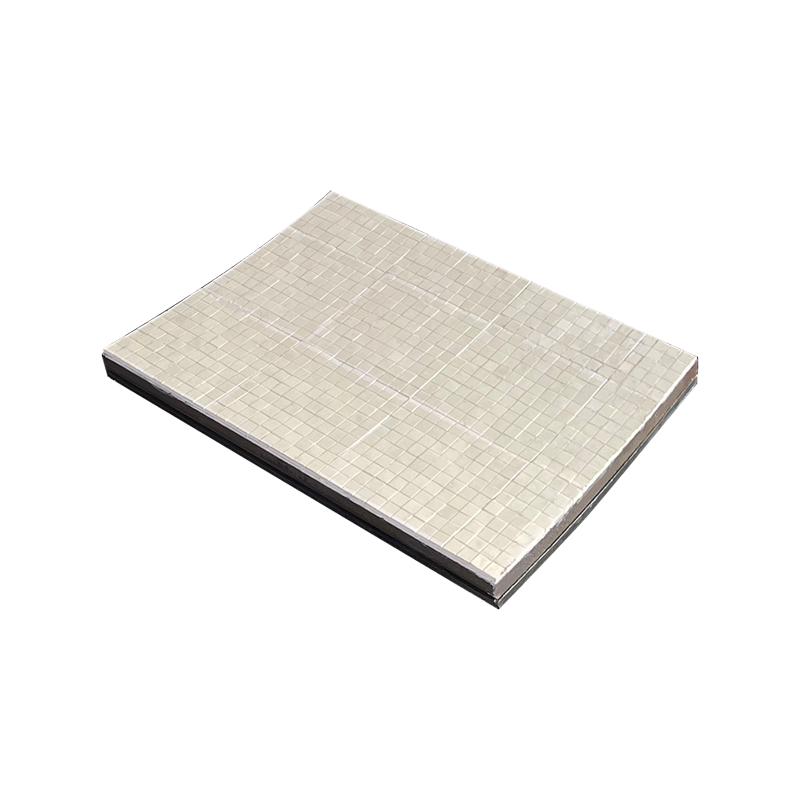
Surface Hardness and Material Composition: Abrasion-Resistant Tiles are constructed from high-density porcelain, engineered ceramics, or composite materials with optimized crystalline structures. The increased surface hardness minimizes indentation and deformation under mechanical stress. By selecting raw materials with high Mohs hardness values, these tiles resist both visible scratches and micro-scratching caused by abrasive particles, including sand, grit, or small metallic debris, maintaining a uniform surface finish over long-term use.
-
Engineered Wear Layers or Through-Body Design: Many Abrasion-Resistant Tiles incorporate specialized wear-resistant glazes or through-body compositions that provide consistent hardness across the entire tile thickness. The wear layer or homogeneous body ensures that even after years of heavy foot or rolling traffic, the surface remains resistant to visible abrasion, edge chipping, and micro-fracturing. This construction reduces reliance on surface treatments and extends the functional life of the tiles.
-
Micro-Scratch Resistance Against Fine Particulates: The dense microstructure of Abrasion-Resistant Tiles prevents small abrasive particles from embedding into the surface, which is a common cause of micro-scratching on conventional tiles. The tiles’ surface is engineered to distribute localized stresses evenly, avoiding propagation of microscopic scratches caused by repeated friction from sand, dirt, or industrial debris. This ensures the aesthetic integrity of the polished, matte, or textured finishes is maintained even in high-traffic environments.
-
Durability Under Heavy Foot and Rolling Traffic: Abrasion-Resistant Tiles are designed to withstand continuous exposure to high foot traffic, wheeled equipment, carts, and light industrial machinery. The tiles’ combination of hardness, adhesion strength, and impact resistance prevents micro-chipping, edge failure, and surface wear. This makes them ideal for commercial, industrial, and public spaces such as airports, shopping centers, warehouses, and hospitals.
-
High Abrasion Classification (PEI or Equivalent Standards): These tiles typically meet or exceed Class 4 or Class 5 PEI (Porcelain Enamel Institute) ratings or equivalent international standards such as ISO 10545-7 for wear resistance. Such ratings indicate the tiles’ capability to handle heavy-duty traffic and abrasive stress without significant surface deterioration. The classification also provides a clear benchmark for users to compare abrasion resistance across different tile products for specific applications.
-
Resistance to Chemical and Environmental Factors: Abrasion-Resistant Tiles are engineered to maintain surface integrity even when exposed to mild chemical agents, moisture, salts, or acidic contaminants. Unlike standard tiles, which may experience accelerated wear, etching, or staining in challenging conditions, these tiles’ composition ensures that environmental or chemical exposure does not weaken the surface, preventing long-term micro-scratching or gloss loss in residential, commercial, or industrial settings.
-
Laboratory Testing and Verification: Leading manufacturers perform rigorous testing to simulate long-term wear, including sandpaper abrasion tests, rolling-load evaluations, and particle impact simulations. These tests measure gloss retention, surface deformation, and micro-scratch formation, verifying the tile’s performance under realistic traffic conditions. Results consistently demonstrate minimal surface degradation, confirming suitability for environments with abrasive contaminants or repeated mechanical contact.
-
Long-Term Performance in Real-World Conditions: Properly installed Abrasion-Resistant Tiles maintain their scratch resistance and surface durability over decades. The engineered material properties ensure consistent performance in high-traffic corridors, industrial facilities, or outdoor installations where exposure to abrasive dust, grit, and debris is constant. The tiles’ durability minimizes the need for frequent repairs or replacement, offering superior lifecycle value compared to conventional ceramic or porcelain tiles.
-
Maintenance and Protective Practices: While the surface is inherently abrasion-resistant, routine maintenance enhances performance and extends service life. Regular sweeping, vacuuming, or wet cleaning removes abrasive particles before they can create micro-scratches. Preventive maintenance also ensures that dirt and grit do not accumulate in grout joints or on the tile surface, maintaining both aesthetic quality and the engineered wear resistance. Proper cleaning practices, combined with the tiles’ material properties, optimize long-term durability in heavy-use environments.
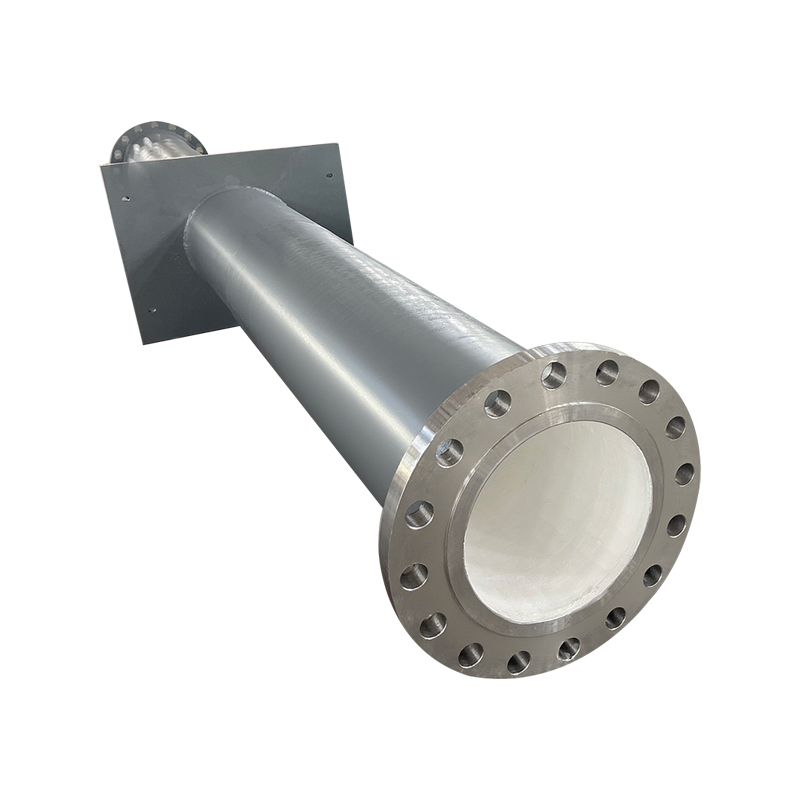
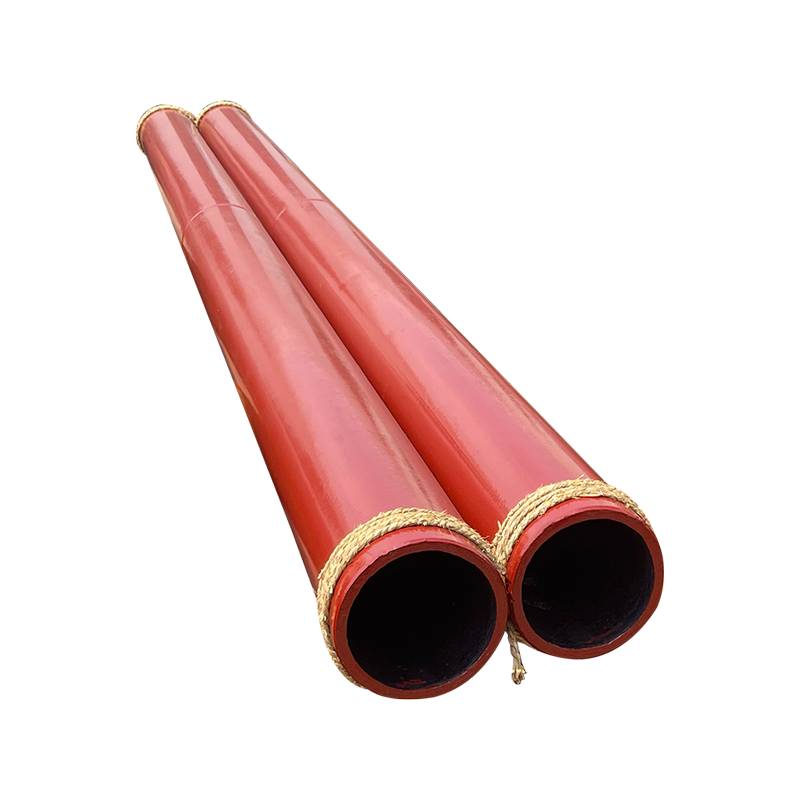
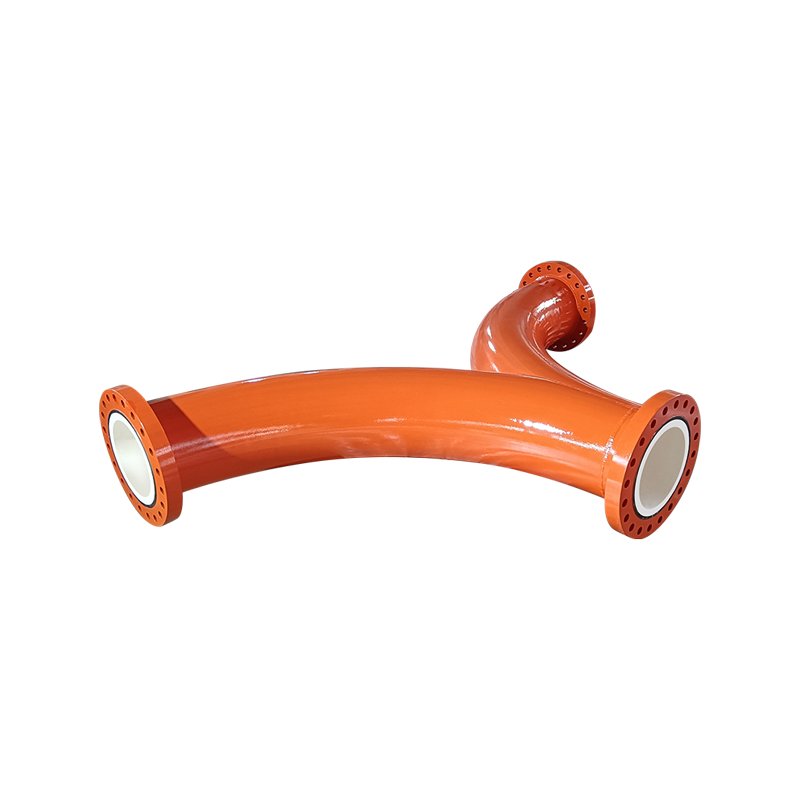
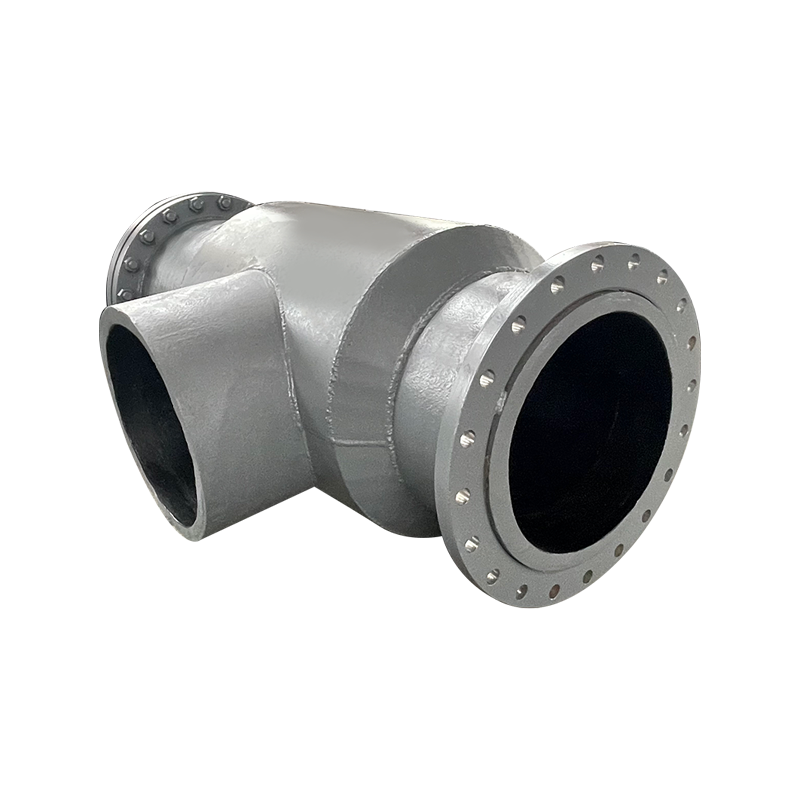
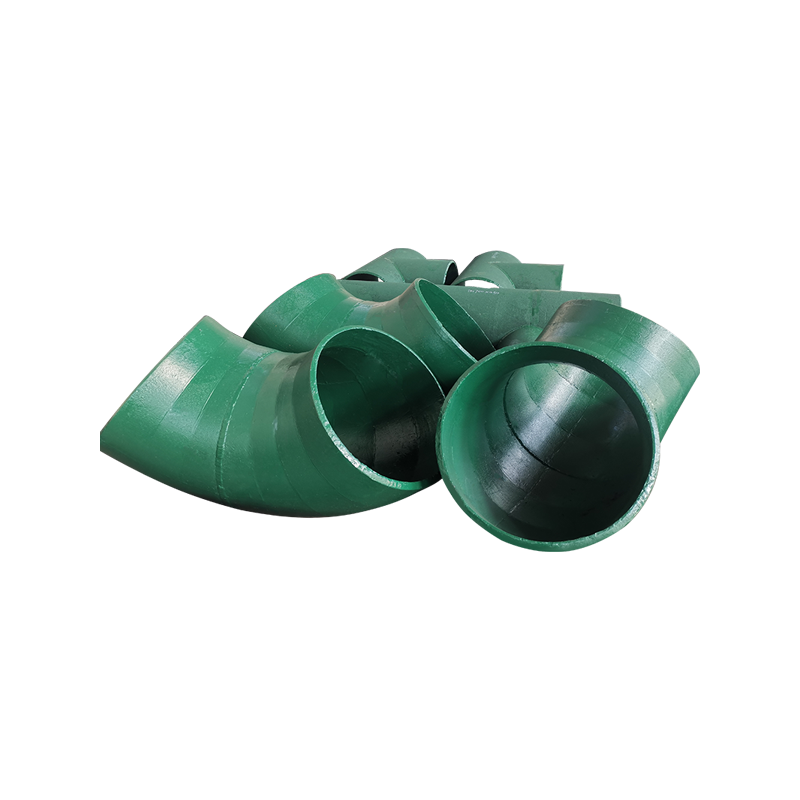
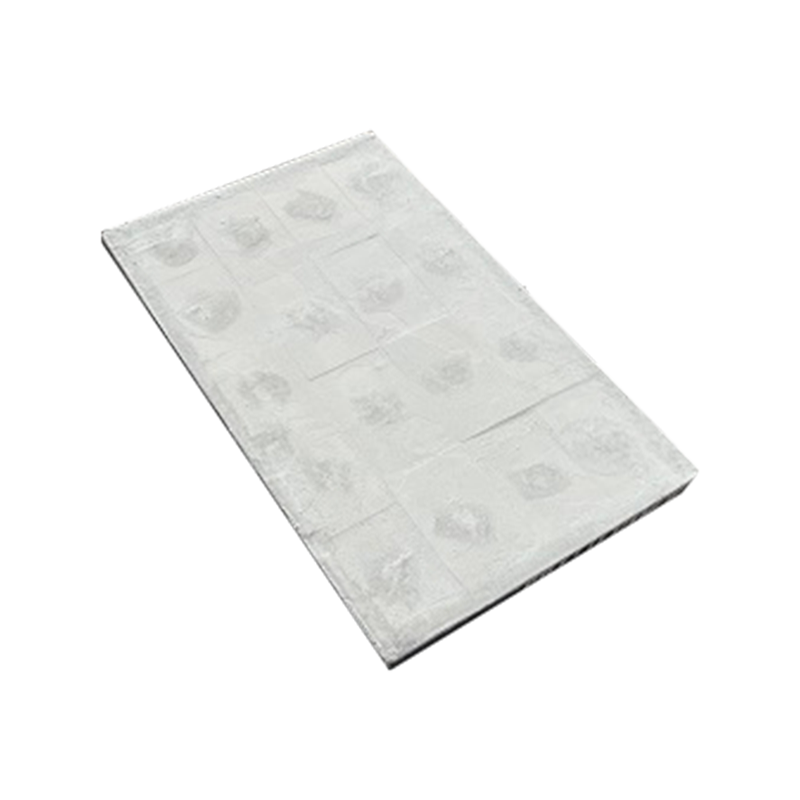
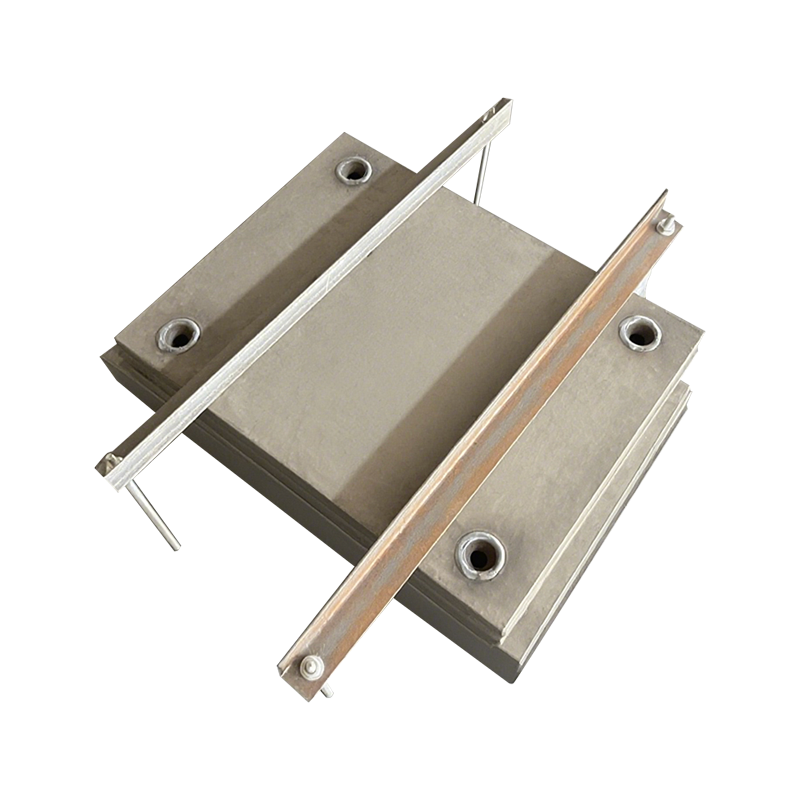
The Ultimate Guide to Wear-Resistant Alloy Linings: Choosing the Right Material for Your Application
Introduction to Wear-Resistant Alloy Linings What are Wear-Resistant Alloy Linings? Wear-resistant alloy linings are engineered protective layers made from spec...
READ MORE