Search
 русский
 Español
 عربى
عربى
Materials & Engineering
Rubber vs Ceramic Wear-Resistant Linings
How two very different materials protect equipment from wear — and which one actually belongs in your application.
The Direct Answer
The core difference comes down to how each material resists wear. Rubber wear-resistant linings absorb impact energy through elasticity, making them ideal for handling large, heavy lumps of material that strike surfaces at high angles. Ceramic wear liners resist wear through extreme surface hardness, making them the better choice for fine, high-velocity, sliding abrasive materials such as sand, coal fines, or mineral concentrate.
If your application involves continuous sliding abrasion from fine particles, ceramic wear liners typically outperform rubber by a wide margin, often lasting three to five times longer in high-abrasion sliding conditions.
Neither material is universally superior. The right choice depends on particle size, impact velocity, sliding angle, temperature, and total cost of ownership over the equipment's service life. The sections below break down each of these factors in detail so you can match the lining material to your specific operating conditions.
wear-resistant lining
How Rubber Linings Resist Wear
Rubber wear-resistant linings work on a principle of energy absorption rather than surface hardness. When a heavy chunk of ore, rock, or aggregate strikes a rubber surface, the material flexes and deforms slightly, dissipating the impact energy across a wider area instead of concentrating it at a single point. This elasticity is what allows rubber linings to survive repeated impacts from large material without cracking or chipping, a failure mode that rigid materials are far more prone to.
Typical Rubber Hardness and Thickness Ranges
Natural rubber linings used in wear applications typically fall between 40 and 60 Shore A hardness, with thickness ranging from 10mm to 100mm depending on impact severity. Softer, thicker rubber is used in high-impact zones such as chute entry points, while harder, thinner rubber is often used in transition zones with moderate sliding wear. Some manufacturers blend natural rubber with synthetic polymers to improve resistance to oils, heat, or ozone exposure, which can otherwise degrade rubber over time.
Limitation
Rubber linings are not well suited to high sliding-abrasion environments. When fine, sharp particles slide continuously across a rubber surface rather than impacting it, the rubber wears down relatively quickly because it lacks the surface hardness to resist cutting action. This is precisely where ceramic wear liners take over as the better-performing option.
How Ceramic Wear Liners Resist Wear
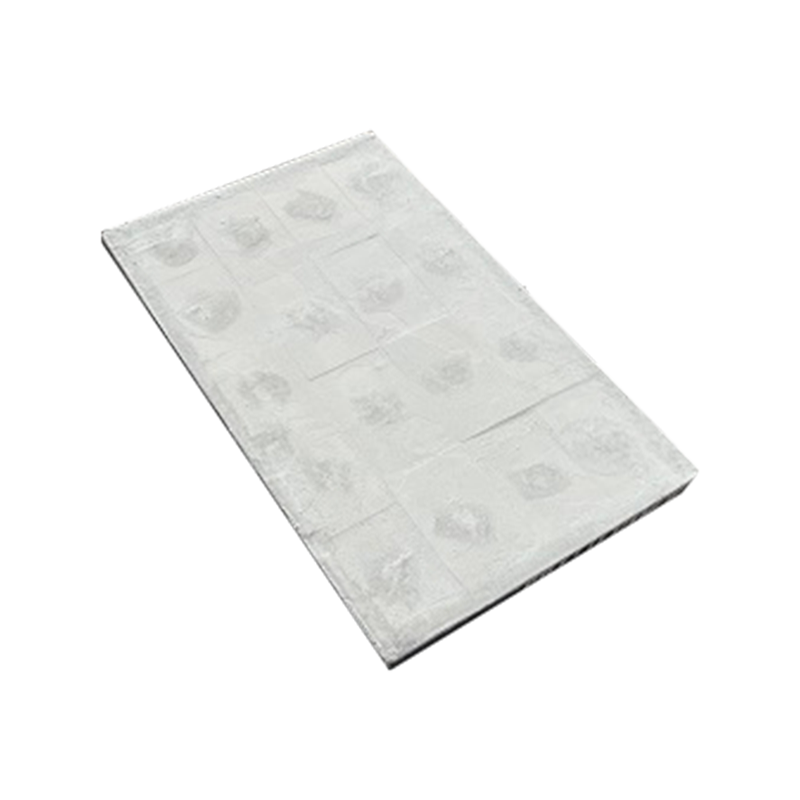
Ceramic wear liners rely on hardness rather than flexibility. Most industrial ceramic wear liners are made from 92% to 95% alumina oxide, giving them a hardness rating of roughly 9 on the Mohs scale, close to that of natural corundum. This hardness allows ceramic tiles to resist the cutting and grinding action of fine abrasive particles far better than rubber, steel, or polyurethane.
Ceramic Tile Bonding Methods
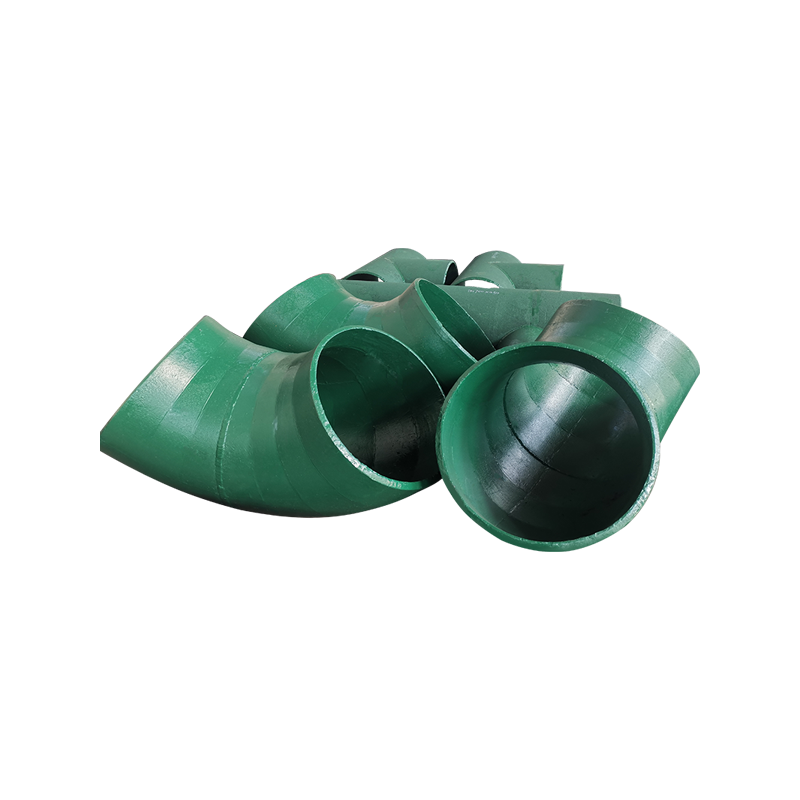
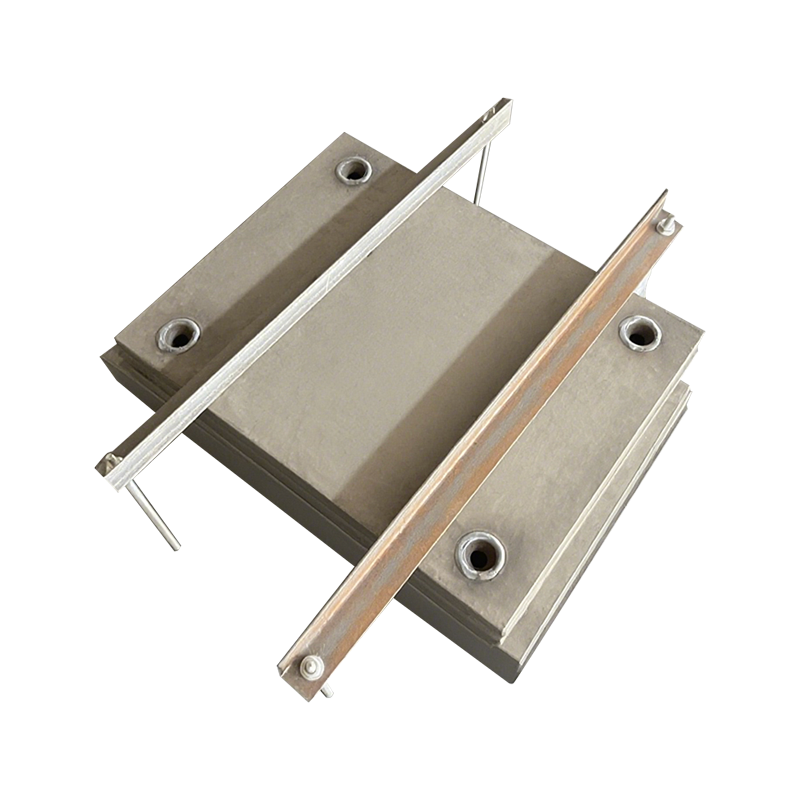
Ceramic wear liners are typically installed in one of three ways: bonded directly to a steel backing plate with industrial adhesive, vulcanized into a rubber matrix to combine hardness with some impact tolerance, or mechanically bolted using ceramic tiles set in a steel or composite carrier. Rubber-backed ceramic composite linings have become increasingly popular because they combine the cutting resistance of ceramic tiles with a degree of impact absorption from the rubber backing, addressing ceramic's main weakness: brittleness under heavy impact.
Risk
Individual ceramic tiles can crack or shatter under sudden high-impact loading, particularly from large, dense material dropped from height. For this reason, ceramic is rarely recommended as a standalone lining in primary crusher discharge chutes or other high-impact zones without a rubber or steel backing layer to cushion the tiles.
Side-by-Side Comparison of Key Properties
The table below summarizes how rubber and ceramic wear-resistant linings compare across the properties that matter most in day-to-day operation.
| Property | Rubber Lining | Ceramic Wear Liner |
|---|---|---|
| Impact Resistance | Excellent | Fair to Poor (unbacked) |
| Sliding Abrasion Resistance | Fair | Excellent |
| Typical Service Life | 12–24 months | 36–60 months |
| Max Operating Temperature | Up to 80°C | Up to 200°C |
| Weight | Lighter | Heavier |
| Initial Material Cost | Lower | Higher |
| Noise Dampening | Excellent | Poor to Fair |
As the table shows, ceramic wear liners can last two to three times longer than rubber in sliding abrasion applications, but rubber remains the stronger option where impact and noise reduction are the primary concerns.
Matching the Lining to Your Material Type
Material characteristics are the single biggest factor in choosing between rubber and ceramic. Below is a practical breakdown by material type.
When Rubber Is the Better Fit
- Large lump ore or rock with high drop height into chutes or hoppers
- Wet, sticky materials where reduced adhesion and easier clean-out matter
- Applications where noise reduction is a operational requirement
- Lower-temperature environments below 80°C
When Ceramic Wear Liners Are the Better Fit
- Fine, sharp, high-velocity particles such as sand, fly ash, or mineral concentrate
- Continuous sliding contact rather than repeated impact
- High-temperature process areas up to 200°C
- Zones where long service intervals matter more than upfront cost
Cost Comparison Over the Equipment Lifecycle
Upfront price alone is a misleading way to compare these two materials. Rubber linings typically cost less per square meter to purchase and install, but in high-abrasion sliding applications they may need replacement every 12 to 18 months. Ceramic wear liners often cost two to four times more upfront, but in the right application their service life can extend to four or five years, reducing both material spend and, more importantly, the labor and downtime costs associated with frequent relining.
Consideration
For operations where downtime is expensive, such as continuous processing plants, the longer service interval of ceramic wear liners often produces a lower total cost of ownership even though the initial purchase price is higher. For intermittent or seasonal operations where replacement labor is cheap and accessible, rubber's lower upfront cost may make more practical sense.
Installation and Maintenance Differences
Rubber linings are generally easier and faster to install. They can be cut, drilled, and bolted or bonded on site with standard tools, and repairs to localized wear spots are straightforward. Ceramic wear liners require more careful handling during installation since individual tiles are brittle and can crack if dropped or struck during fitting. Bonded ceramic tile systems also require strict surface preparation and adhesive curing conditions to achieve full bond strength.
Maintenance inspection intervals differ as well. Rubber should be checked for surface cracking, ozone degradation, and delamination from its backing plate. Ceramic linings should be inspected for individual cracked or missing tiles, since a single failed tile can expose the underlying steel to rapid, concentrated wear.
Common Mistakes When Choosing Between the Two
The most frequent mistake is selecting a lining based purely on cost per square meter rather than the actual wear mechanism at play. Installing unbacked ceramic in a high-impact primary crushing zone often results in premature tile cracking within weeks. Conversely, installing rubber in a fine-particle, high-velocity sliding application can lead to disappointing wear rates that require far more frequent replacement than expected.
Common Error
Ignoring temperature. Standard rubber compounds begin to degrade above 80°C, losing elasticity and becoming brittle over time, which defeats the purpose of choosing rubber in the first place. In these cases, ceramic wear liners or specialty high-temperature rubber compounds should be considered instead.
Hybrid Rubber-Ceramic Composite Linings
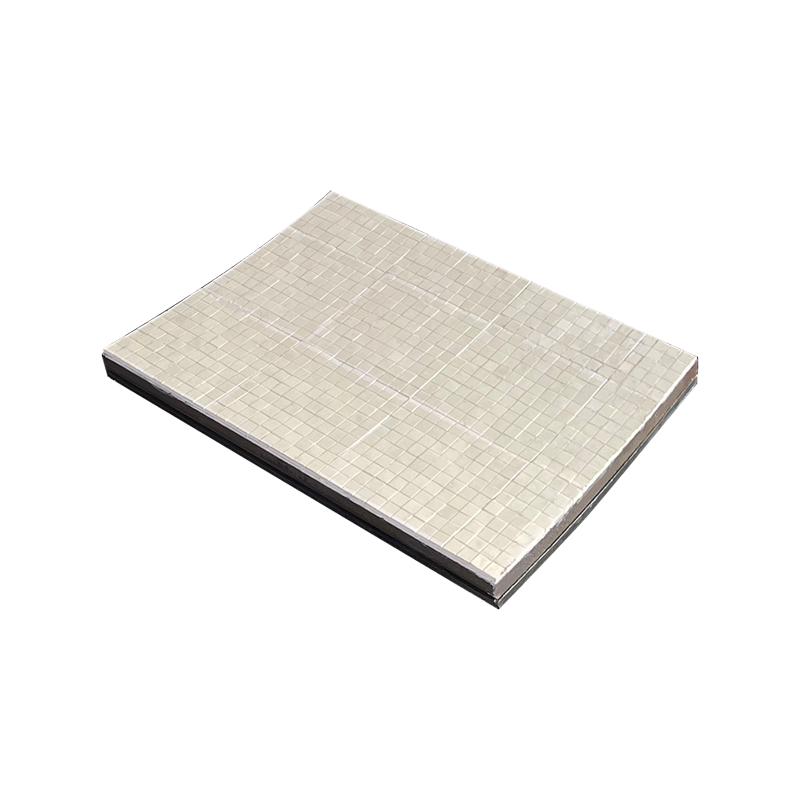
For applications that involve both impact and sliding abrasion, many plants now use hybrid composite linings that combine a rubber backing with embedded ceramic tiles. This design lets the ceramic surface resist fine abrasive wear while the rubber layer beneath absorbs impact energy and prevents tile cracking. Hybrid rubber-ceramic linings are increasingly the default choice in transfer chutes that see a mix of large lump material and fine abrasive fines, since neither pure rubber nor pure ceramic performs well across both conditions.
Best For Mixed Conditions
The tradeoff is cost and installation complexity. Hybrid systems are generally the most expensive option per square meter, but for mixed-condition applications they frequently outperform either material used alone, both in wear life and in reduced maintenance frequency.
Final Selection Checklist
Before finalizing a wear-resistant lining choice, it helps to run through a short checklist covering the operating conditions that matter most.
- Identify whether wear is driven primarily by impact, sliding abrasion, or both
- Check the maximum operating temperature of the application area
- Estimate particle size, hardness, and velocity of the conveyed material
- Compare total cost of ownership, not just material price per square meter
- Consider hybrid rubber-ceramic linings for mixed impact and abrasion conditions
There is no single lining material that performs best in every situation. Matching the material properties of rubber or ceramic wear liners to the specific wear mechanism your equipment experiences is the most reliable way to extend service life, reduce downtime, and lower long-term maintenance costs.
It also helps to involve maintenance staff early when planning a relining project, since they are typically the ones who will notice early warning signs of wear such as thinning rubber, exposed steel, or hairline cracks forming across ceramic tile joints. Documenting wear patterns over several relining cycles gives a plant a much clearer picture of whether the current material choice is actually matched to the real operating conditions, rather than relying on assumptions carried over from a previous installation or a different piece of equipment entirely.