Search
 русский
 Español
 عربى
عربى
Materials & Engineering
Ceramic Piping Outperforms Stainless Steel Pipe in Abrasive Slurry Wear Resistance
In direct terms, ceramic piping typically delivers three to ten times longer service life than stainless steel pipe when transporting high-solids slurries such as mining tailings, coal-water mixtures, and mineral concentrates.
This performance gap comes from the fundamental difference in surface hardness: alumina ceramic liners commonly reach 88-92 HRA on the Rockwell A scale, while even hardened stainless steel alloys rarely exceed 25-30 HRC, a much softer benchmark by comparison. For operators managing continuous abrasive flow, this hardness advantage translates directly into fewer shutdowns, lower replacement frequency, and reduced total cost of ownership over the equipment's operating life.
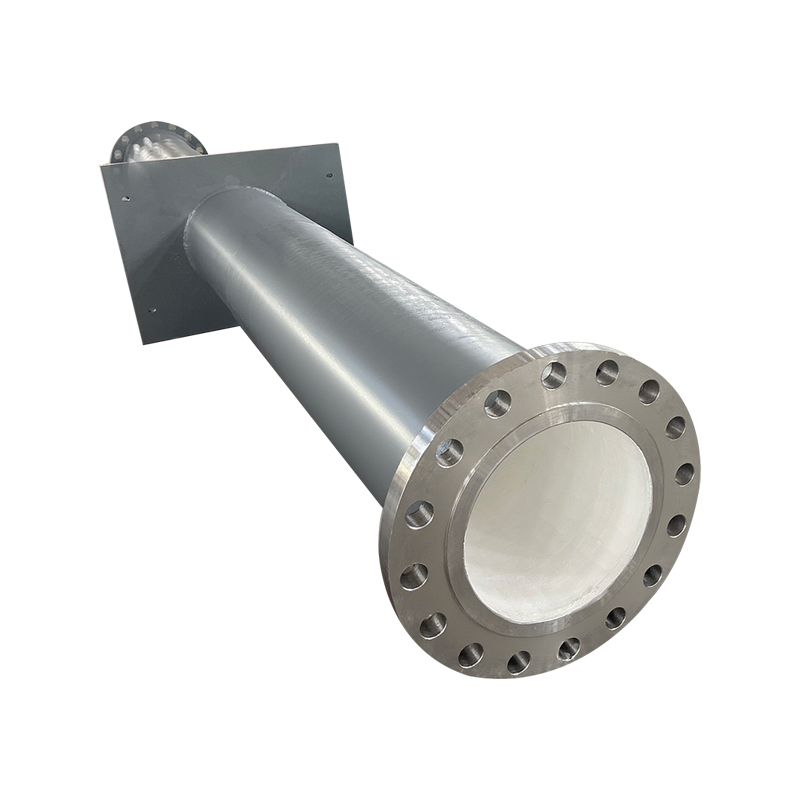
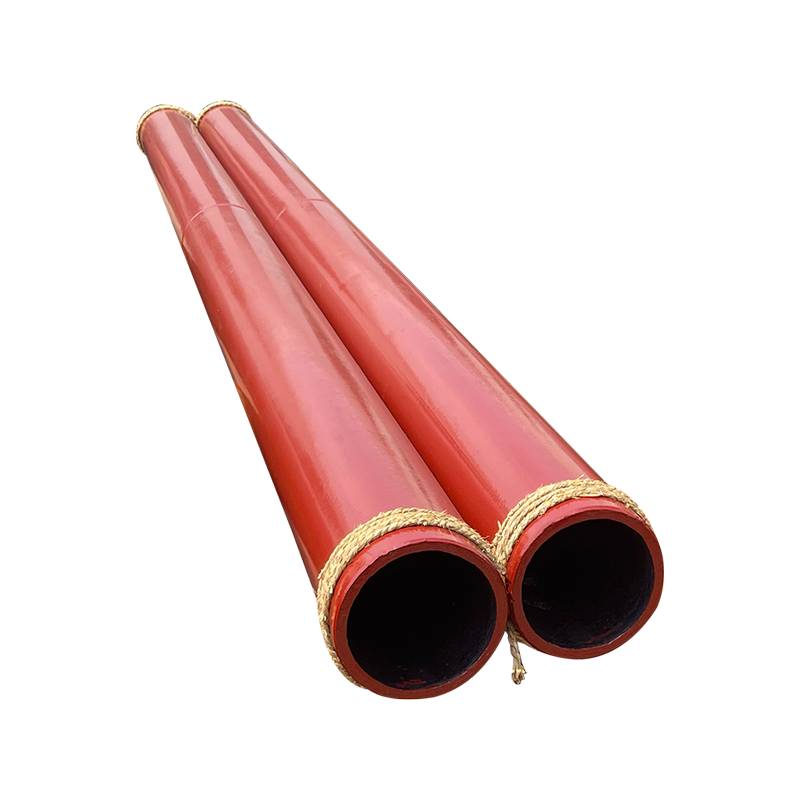
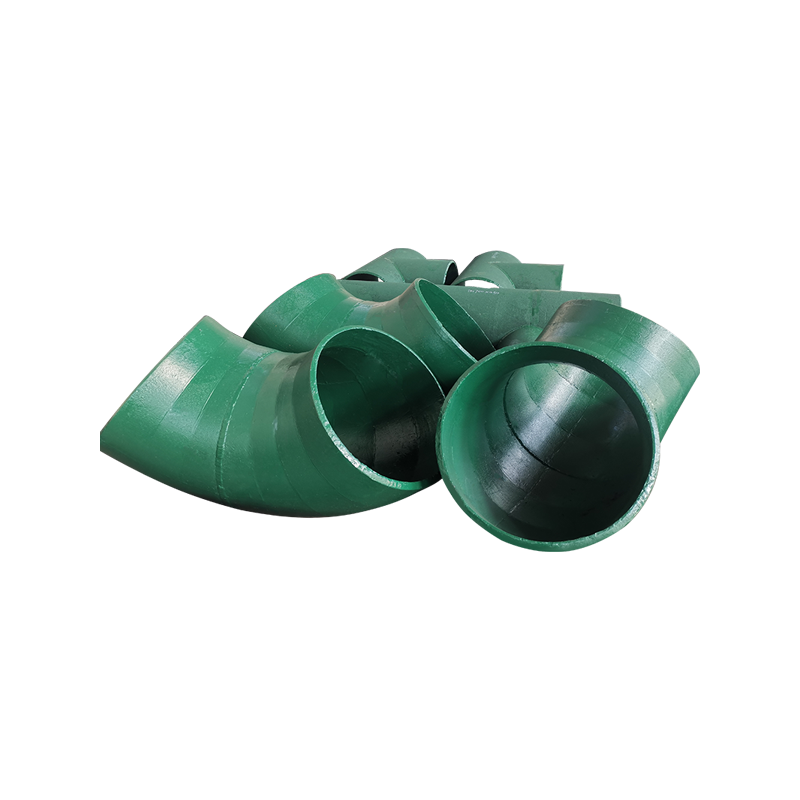
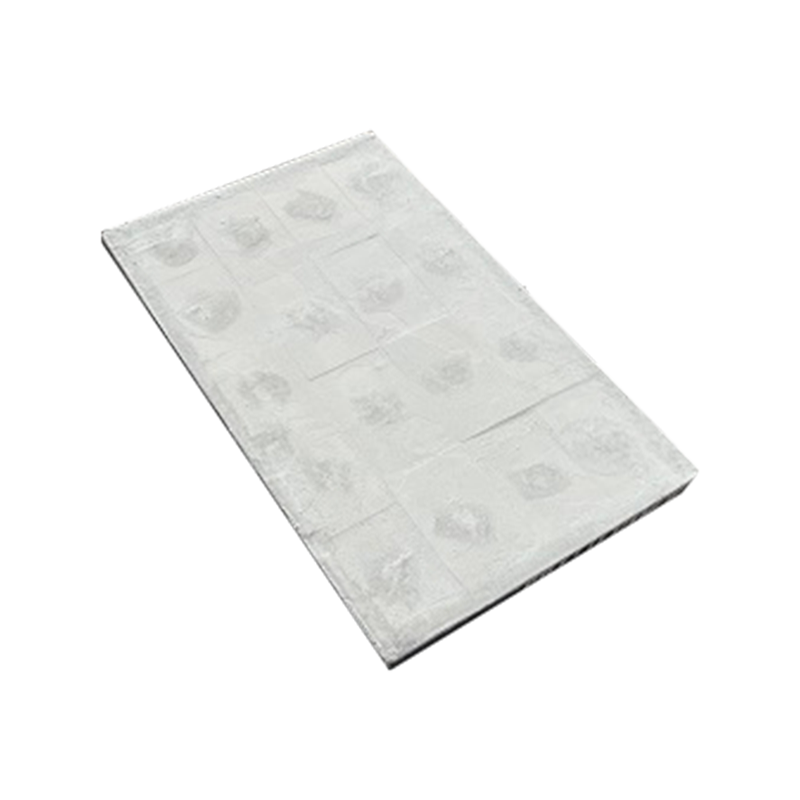
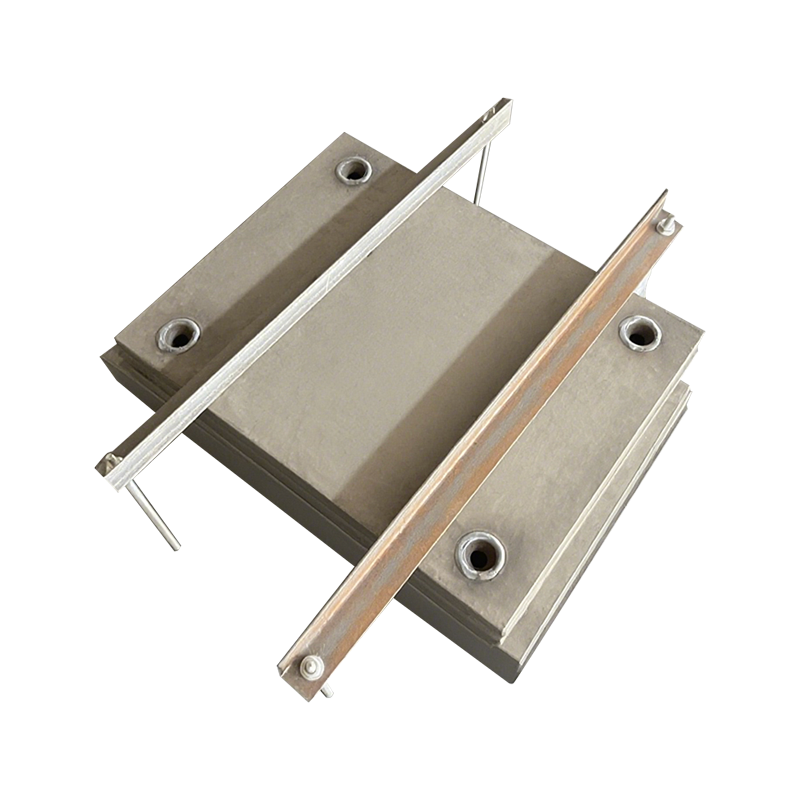
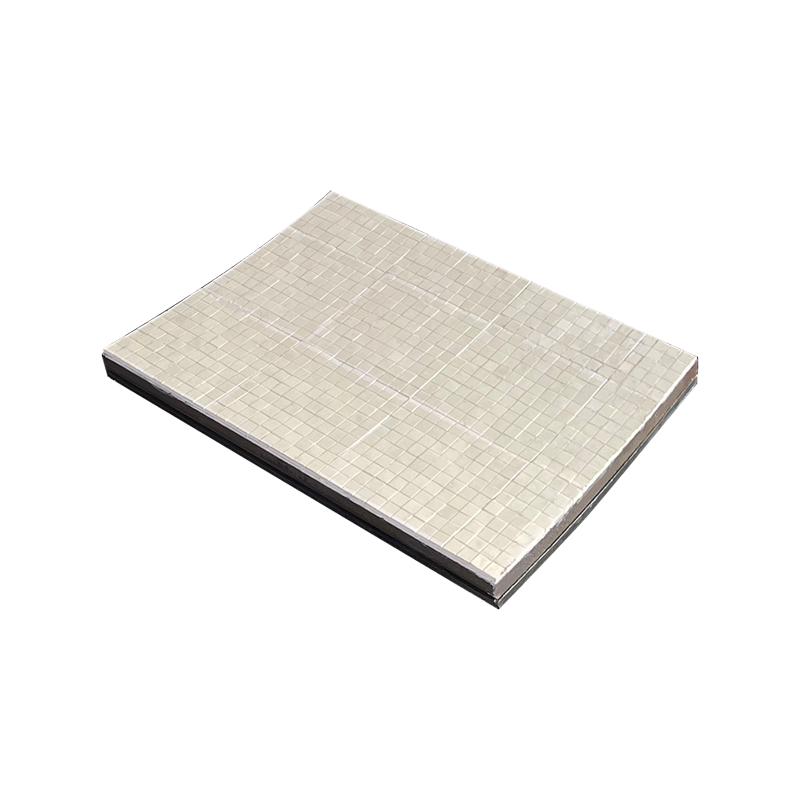
ceramic piping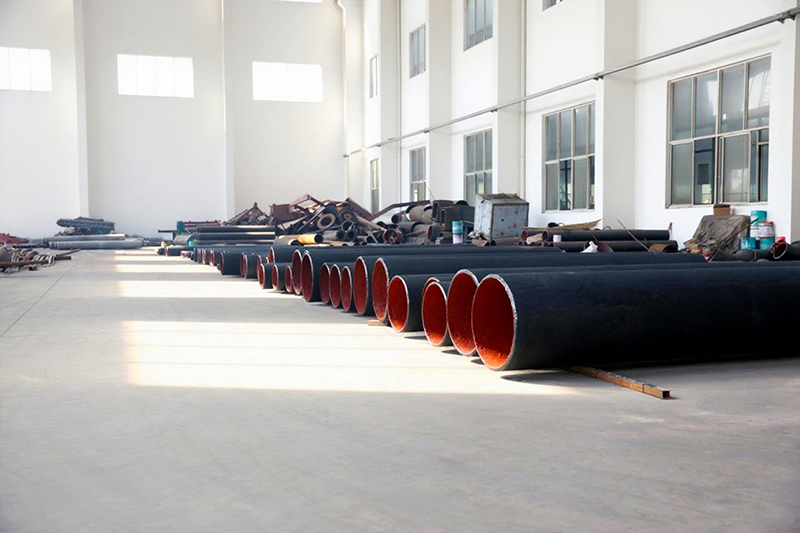
That said, stainless steel pipe retains advantages in specific scenarios involving impact loading, thermal cycling, or complex fabrication needs. The sections below break down the technical data, application fit, and decision criteria so you can determine which material aligns with your slurry transport requirements.
Why Ceramic Piping Resists Abrasive Wear More Effectively
Wear in slurry pipelines occurs primarily through three mechanisms: sliding abrasion from suspended particles, impact wear from larger aggregate, and erosive cutting at bends and transitions. Ceramic piping addresses all three through its crystalline microstructure. Alumina oxide ceramics form a dense, fine-grained lattice that resists particle penetration far better than the ductile, metallic grain structure found in stainless steel pipe.
Hardness and Microstructure Comparison
Stainless steel pipe relies on chromium content and work-hardening to resist wear, but its metallic bonds are still susceptible to plastic deformation under repeated particle contact. Ceramic materials, by contrast, use covalent and ionic bonding, which resists deformation almost entirely until the point of brittle fracture.
Ceramic piping shows wear rates as low as 0.1–0.3 mm per year in high-density slurry applications, compared to 1–3 mm per year commonly recorded for uncoated stainless steel pipe under similar conditions.
Behavior at Pipeline Bends and Elbows
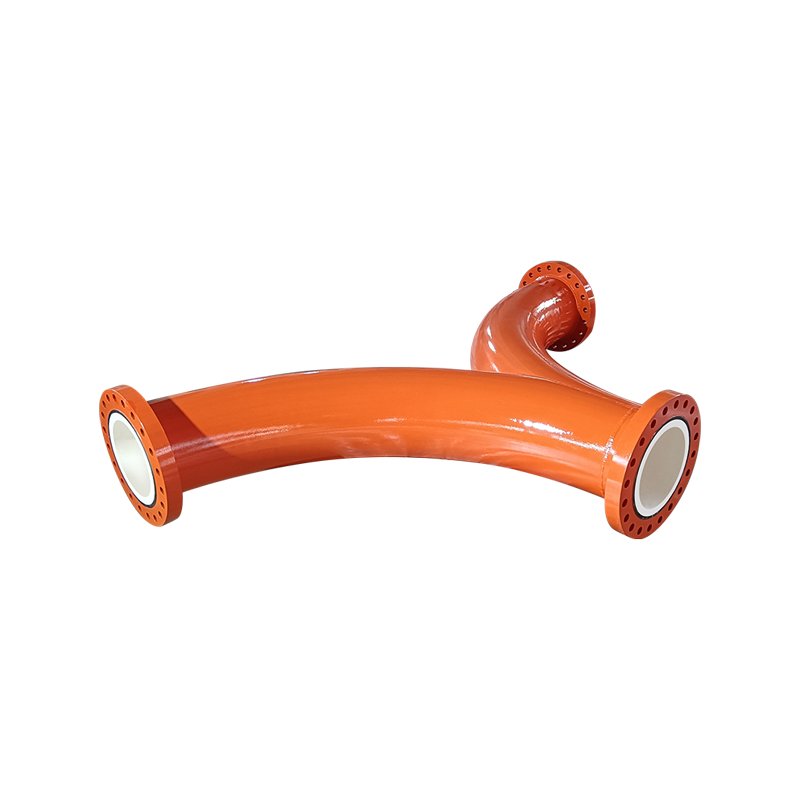
Wear concentrates most severely at directional changes, where slurry velocity and particle impact angle increase erosive force. This is precisely where ceramic elbows are most commonly specified, since bend sections typically fail 3-5 times faster than straight pipe runs. Facilities that install ceramic elbows at high-turbulence junctions report significantly extended intervals between elbow replacements, often exceeding the lifespan of the adjoining straight-run sections.
Performance Data: Ceramic Piping vs Stainless Steel Pipe
The following table summarizes typical performance characteristics reported in industrial slurry transport settings, including mining, dredging, and power plant desulfurization systems.
| Property | Ceramic Piping | Stainless Steel Pipe |
|---|---|---|
| Surface Hardness | 88-92 HRA | 20-30 HRC |
| Typical Wear Rate | 0.1-0.3 mm/year | 1-3 mm/year |
| Service Life in High-Abrasion Duty | 5-10 years | 1-3 years |
| Impact Resistance | Moderate (brittle failure risk) | High (ductile deformation) |
| Relative Upfront Cost | Higher | Lower |
These figures illustrate why many operators classify ceramic piping among the most durable wear-resistant pipes available for continuous abrasive service, even though the initial material and installation investment runs higher than stainless steel alternatives.
Where Ceramic Piping Delivers the Greatest Value
Not every slurry application benefits equally from ceramic piping. The material excels specifically where particle hardness, concentration, and velocity combine to accelerate erosive wear. Common high-value use cases include:
- Mineral processing plants transporting silica sand, quartz, or crushed ore slurries
- Coal-fired power plant flue gas desulfurization (FGD) limestone slurry lines
- Dredging operations moving sand and gravel over long pipeline runs
- Tailings disposal systems in mining operations with high solids content
- Cement plant material handling for abrasive powder and aggregate mixes
Where Stainless Steel Pipe Remains the Better Choice
Ceramic piping is not universally superior. Its brittleness makes it less suitable for applications involving:
- High impact loading from large rocks, debris, or tramp metal in the slurry stream
- Frequent thermal cycling that induces differential expansion stress on ceramic liners
- Complex piping geometries requiring extensive field cutting, welding, or on-site modification
- Vibration-heavy installations near rotating equipment, where fatigue cracking risk increases
Installation and Maintenance Considerations
Design for Wear-Prone Sections
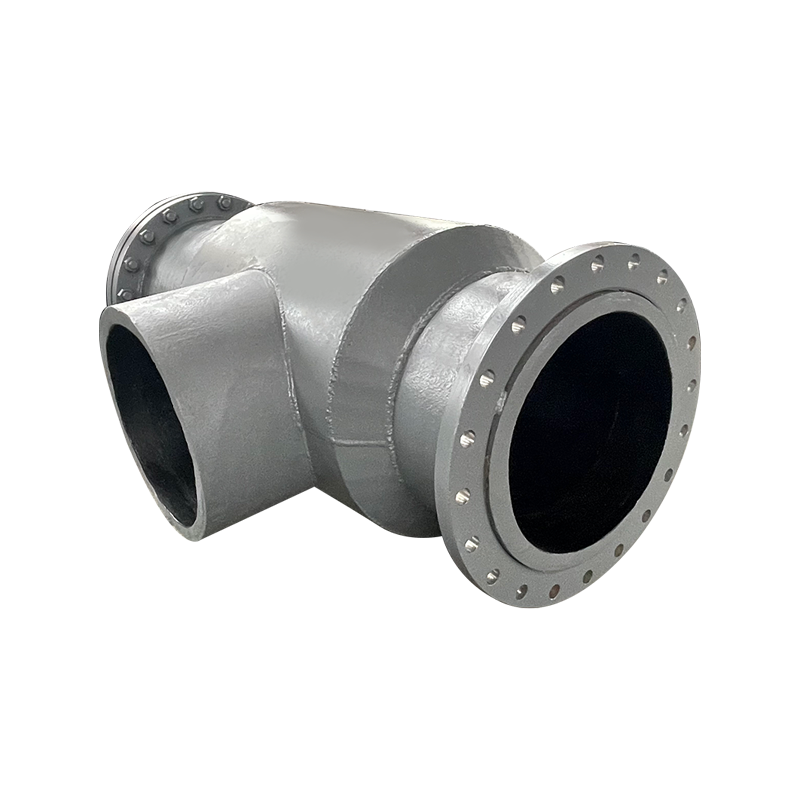
Many facilities adopt a hybrid strategy, using stainless steel pipe for straight runs and ceramic elbows specifically at bends, tees, and reducers where erosive wear concentrates. This targeted approach balances upfront cost against long-term durability, since replacing a single worn elbow is far less disruptive and expensive than replacing an entire pipeline run.
Inspection Intervals
Because ceramic piping wears so slowly, inspection intervals can often be extended from quarterly to annual or biannual cycles, reducing labor costs associated with ultrasonic thickness testing. Stainless steel pipe in comparable abrasive service typically requires more frequent monitoring, since wall thinning progresses at a measurably faster rate and carries a higher risk of unexpected rupture between inspections.
Handling and Transport
Total Cost of Ownership Comparison
While ceramic piping generally costs 1.5 to 3 times more than stainless steel pipe on a per-meter basis, the total cost of ownership calculation frequently favors ceramic once replacement frequency, downtime, and labor are factored in. Consider a mining operation running a 500-meter tailings line at maximum abrasive load:
| Cost Factor | Ceramic Piping (10-Year Horizon) | Stainless Steel Pipe (10-Year Horizon) |
|---|---|---|
| Replacement Cycles | 1-2 | 4-6 |
| Downtime Events | Low | Moderate to High |
| Cumulative Material Cost | Lower over full horizon | Higher over full horizon |
Although exact figures vary by site conditions, this pattern holds consistently across industries where slurry abrasiveness is the dominant failure driver: the higher initial investment in ceramic piping is recovered through reduced replacement frequency and fewer unplanned shutdowns.
Making the Right Material Choice for Your Slurry System
Choosing between ceramic piping and stainless steel pipe ultimately depends on your specific slurry characteristics. Evaluate particle hardness (Mohs scale), solids concentration by weight, flow velocity, and pipeline geometry before finalizing a specification. As a general guideline:
- Choose ceramic piping when particle hardness exceeds 5-6 on the Mohs scale and solids content is consistently high
- Choose stainless steel pipe when impact loading, vibration, or frequent layout changes are primary concerns
- Use ceramic elbows at high-wear bend locations even within an otherwise stainless steel system
- Reassess material choice whenever slurry composition or throughput changes significantly