Search
 русский
 Español
 عربى
عربى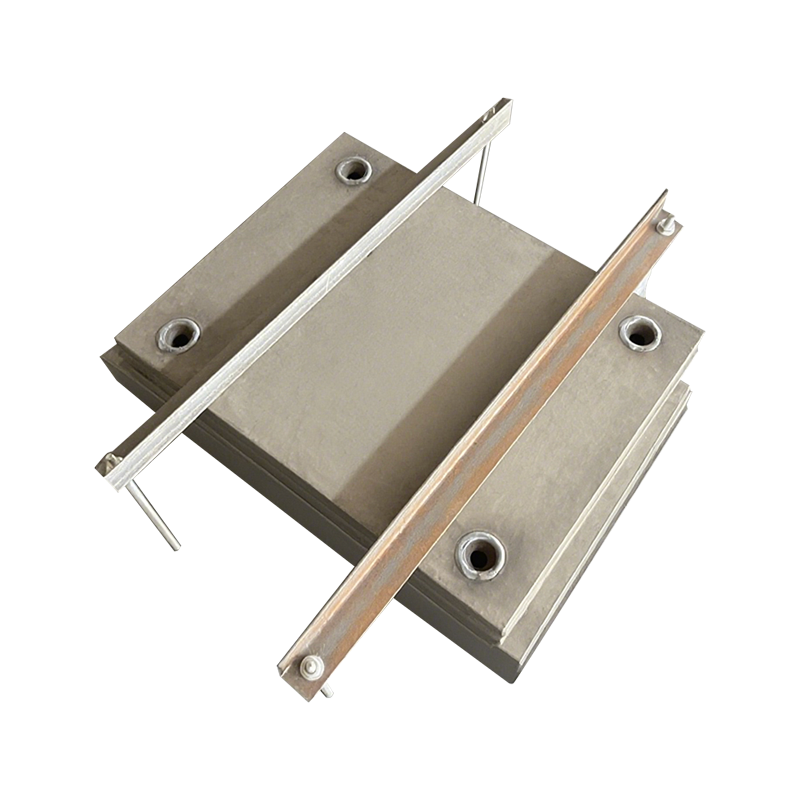
Ultra-Smooth Surface for Minimal Friction
The mirror-like finish of the wear-resistant lining is a critical factor in reducing friction. This smooth surface significantly lowers surface roughness, which traditionally contributes to higher levels of resistance during the movement of components. In mechanical systems, friction between parts results in the generation of heat, energy loss, and accelerated wear. By minimizing micro-level imperfections, the mirror surface allows for a smoother transition between moving parts, reducing contact resistance. This smooth interaction not only prevents unnecessary frictional losses but also reduces the need for excessive lubrication, thus extending the service life of components. As a result, the machinery operates more efficiently, with lower energy consumption, fewer breakdowns, and longer intervals between maintenance.
Enhanced Lubrication Efficiency and Performance
Lubrication plays a vital role in minimizing wear and friction in machinery, but its effectiveness is often hindered by surface roughness. The ultra-smooth finish of Mirror Surfacing Wear-Resistant Lining provides an ideal surface for lubrication, ensuring that the lubricant forms an even, consistent film between moving parts. This not only reduces the chances of lubricant breakdown but also ensures that the lubricant’s properties are fully utilized to minimize direct metal-to-metal contact. With reduced friction, the lubricant remains intact for longer periods, which decreases the frequency of lubrication replacement. This efficient lubrication enhances system performance by preventing overheating, lowering maintenance needs, and contributing to smoother, quieter operations.
Improved Load Distribution Across Surfaces
One of the key benefits of the mirror finish is its ability to distribute mechanical loads more evenly across surfaces. In traditional surfaces with rough or uneven textures, the load is concentrated at specific contact points, leading to premature wear and failure. By eliminating surface irregularities, Mirror Surfacing Wear-Resistant Lining ensures that the applied load is more uniformly spread over the entire surface area. This uniform load distribution significantly reduces the risk of localized stress, deformation, or cracking, which could otherwise lead to early equipment failure. It also minimizes frictional hotspots that are typically the first to experience wear, thus extending the life of the machinery and enhancing overall operational reliability.
Reduction in Heat Generation
Heat generation is a natural consequence of friction, but it can have detrimental effects on the performance and longevity of machinery. Mirror Surfacing Wear-Resistant Lining minimizes friction to the point that heat generation is reduced, keeping the system within optimal temperature ranges. Excessive heat can cause material expansion, degrade lubricants, and even lead to warping or failure of components. By minimizing friction, the mirror surface reduces the likelihood of heat buildup, ensuring that the machinery operates cooler. This is particularly advantageous in high-speed or heavy-duty applications where heat is a common byproduct of friction. Lower temperatures not only preserve the structural integrity of the lining but also contribute to more consistent performance and fewer maintenance interventions.
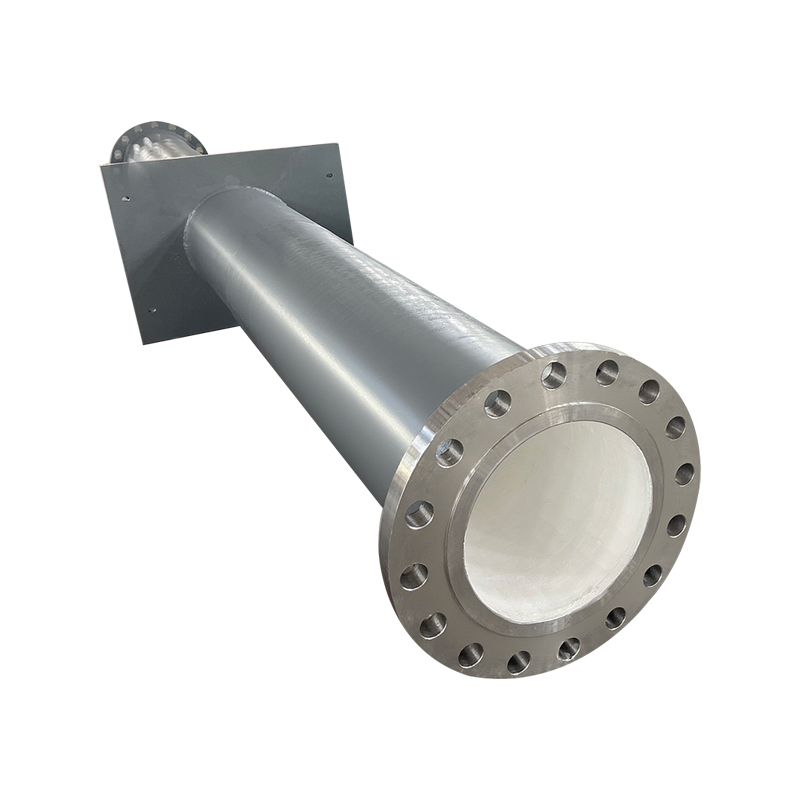
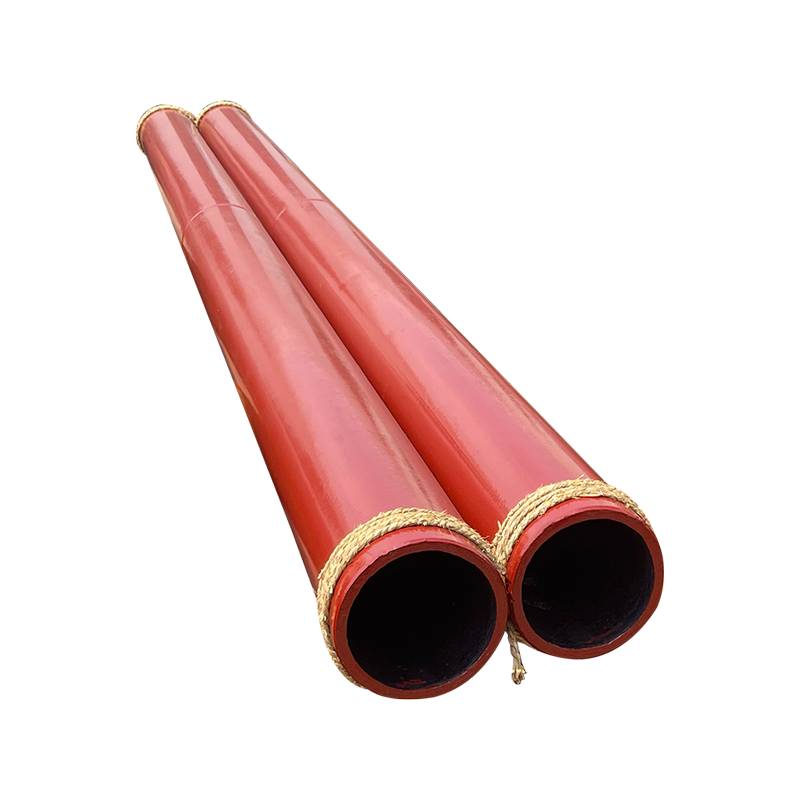
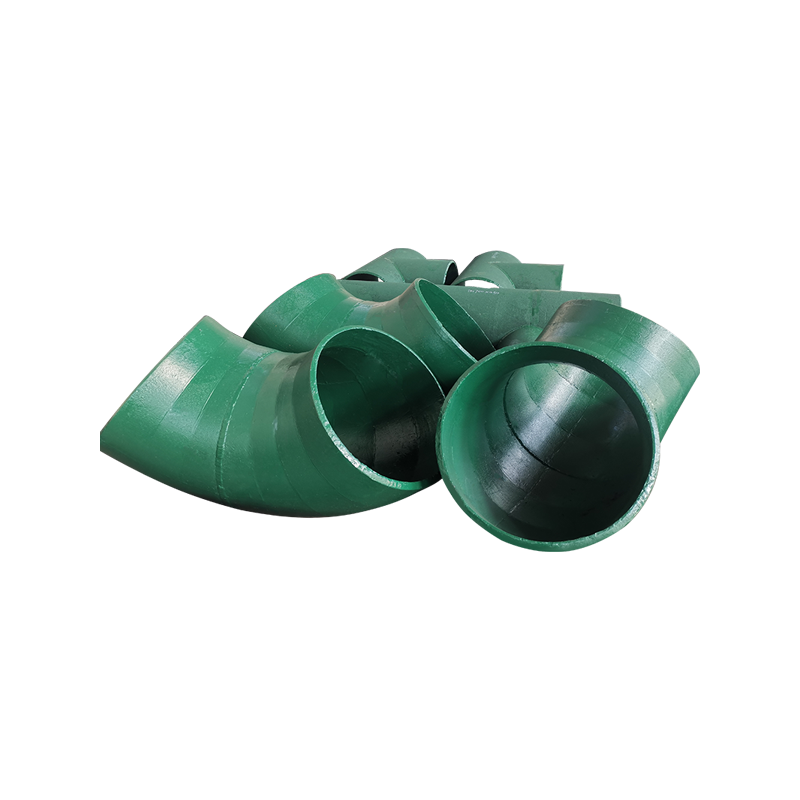
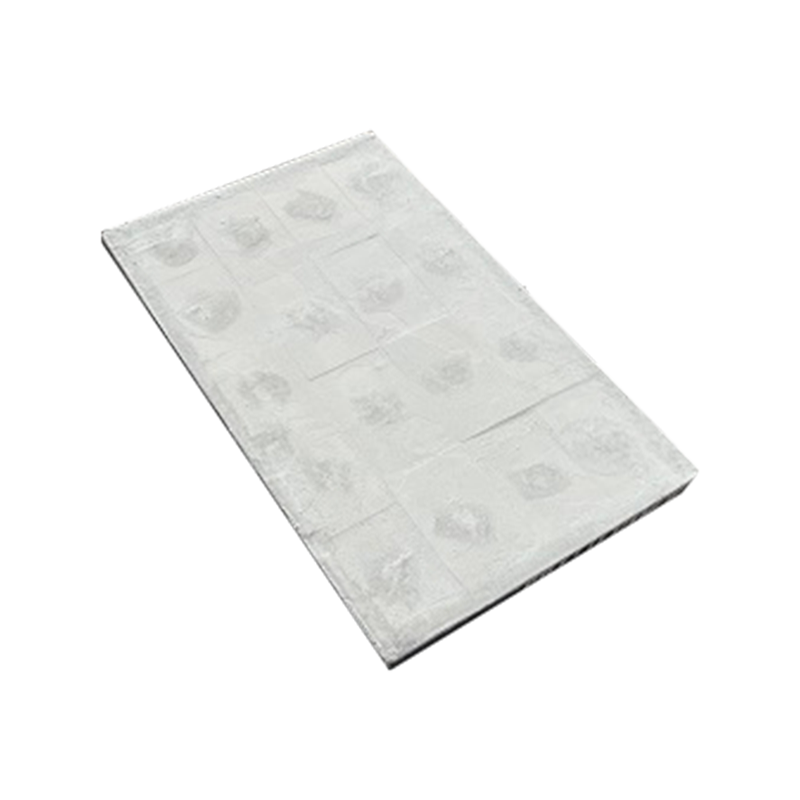
Mirror surfacing wear-resistant lining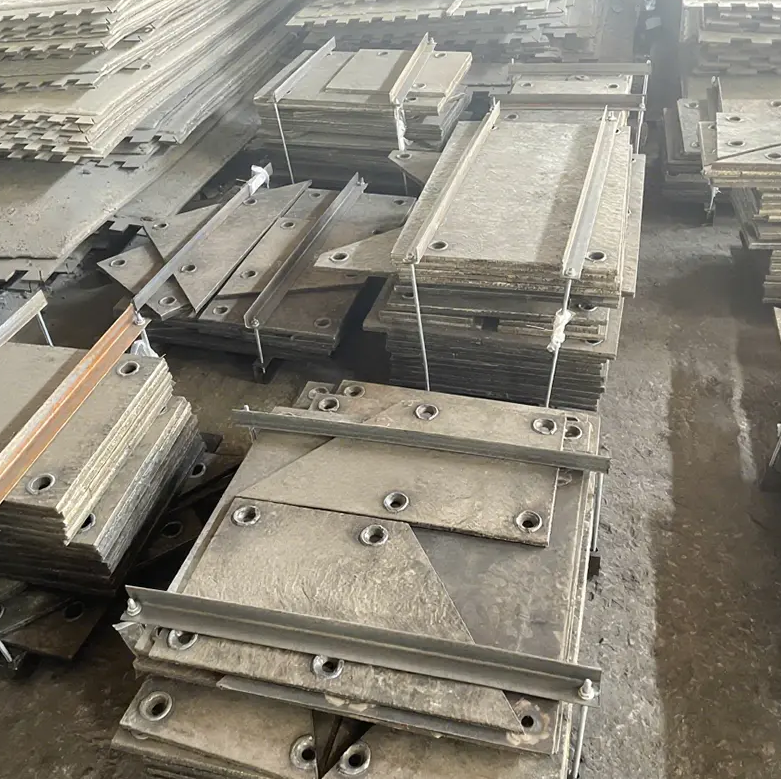
Superior Wear Resistance for Longer Service Life
Mirror Surfacing Wear-Resistant Lining is engineered with materials that are highly resistant to wear, abrasion, and scuffing. In environments where high levels of friction and contact are inevitable, the durability of the lining is crucial to maintaining consistent performance. The wear-resistant materials used in the lining are typically harder and more robust than traditional linings, ensuring that the surface holds up to the mechanical stresses encountered during operation. Over time, traditional linings tend to degrade, leading to the need for frequent replacements. However, the superior wear resistance of the mirror-surfaced lining ensures that it retains its functionality for a much longer period. This significantly reduces operational costs associated with frequent part replacements and ensures consistent machinery performance even in challenging conditions.
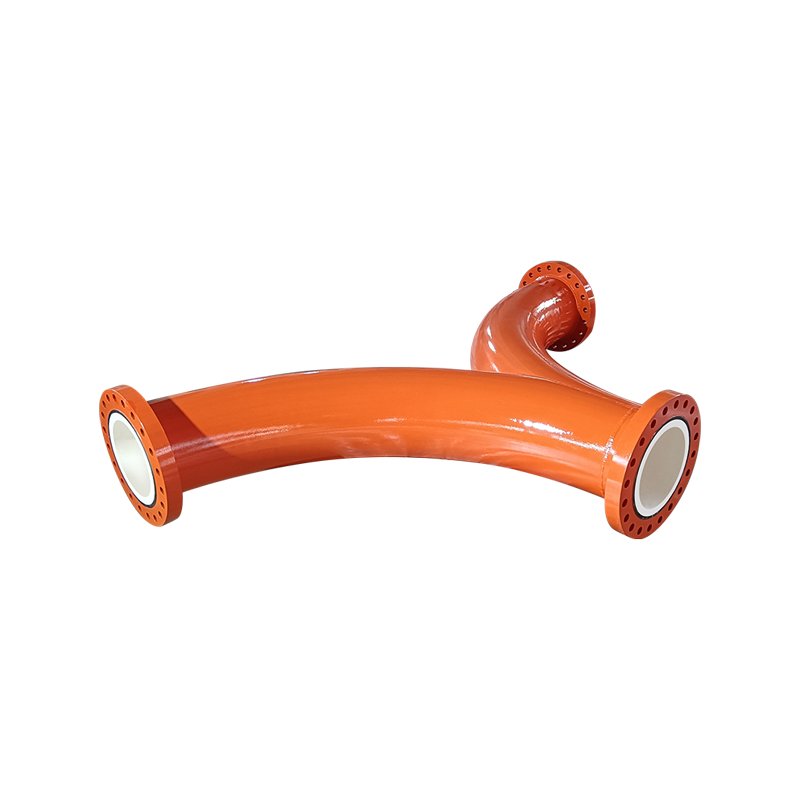
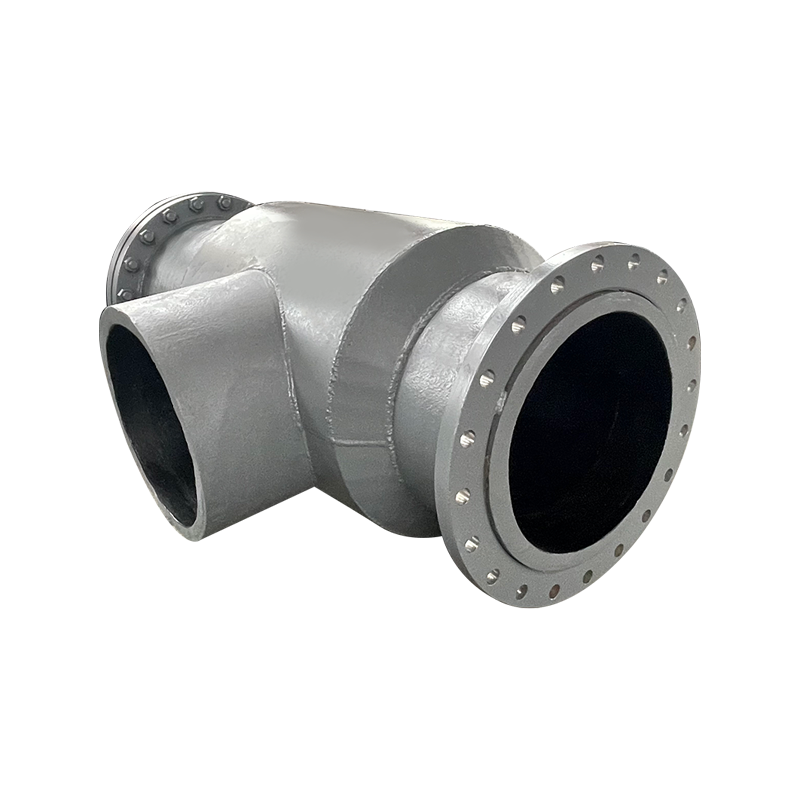
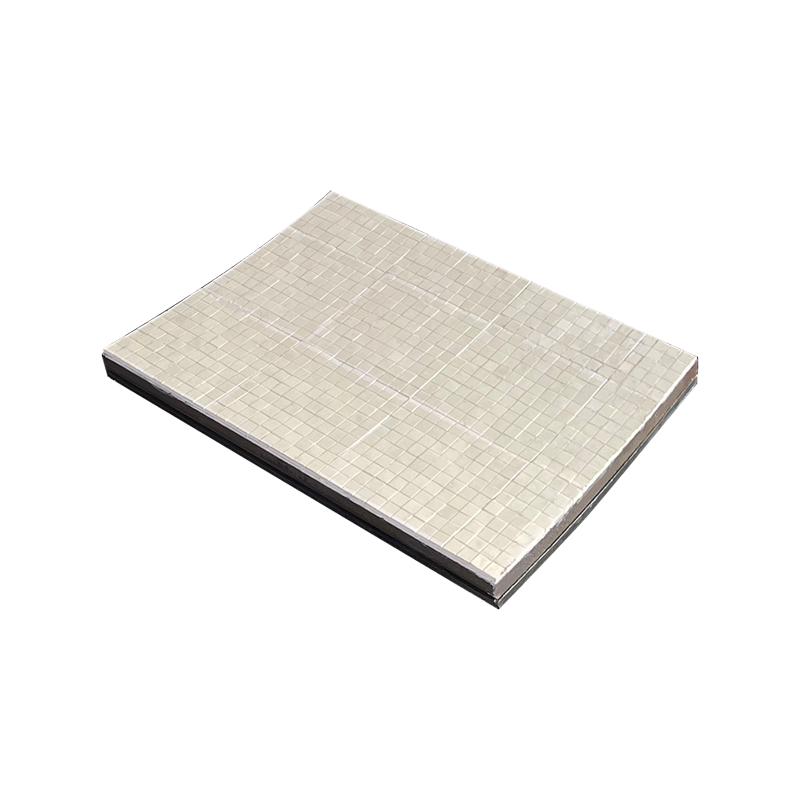
Mirror surfacing wear-resistant lining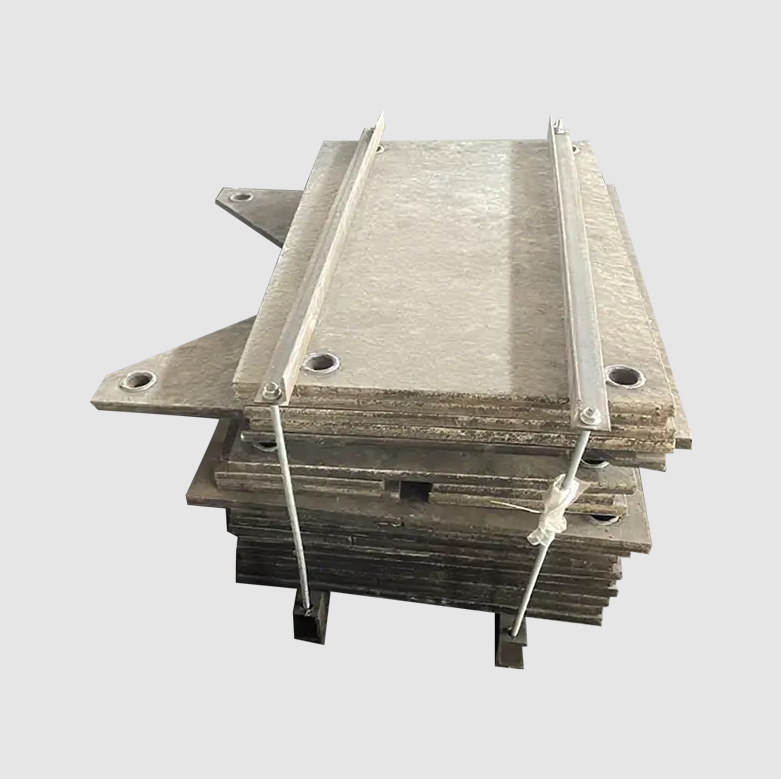
Corrosion Resistance to Harsh Operating Environments
In many industrial applications, machinery is exposed to harsh environmental conditions such as moisture, chemicals, and abrasive particles. Corrosion can be a significant issue for traditional linings, as rust and other forms of material degradation accelerate wear. Mirror Surfacing Wear-Resistant Lining often utilizes specialized coatings or high-performance alloys that offer enhanced resistance to corrosion. This protective feature ensures that the lining can withstand exposure to moisture, corrosive chemicals, or even extreme environmental temperatures without succumbing to degradation. The corrosion resistance of the lining extends its operational lifespan, ensuring that machinery continues to perform efficiently even in highly corrosive environments, such as marine, mining, or chemical processing industries.