Search
 русский
 Español
 عربى
عربى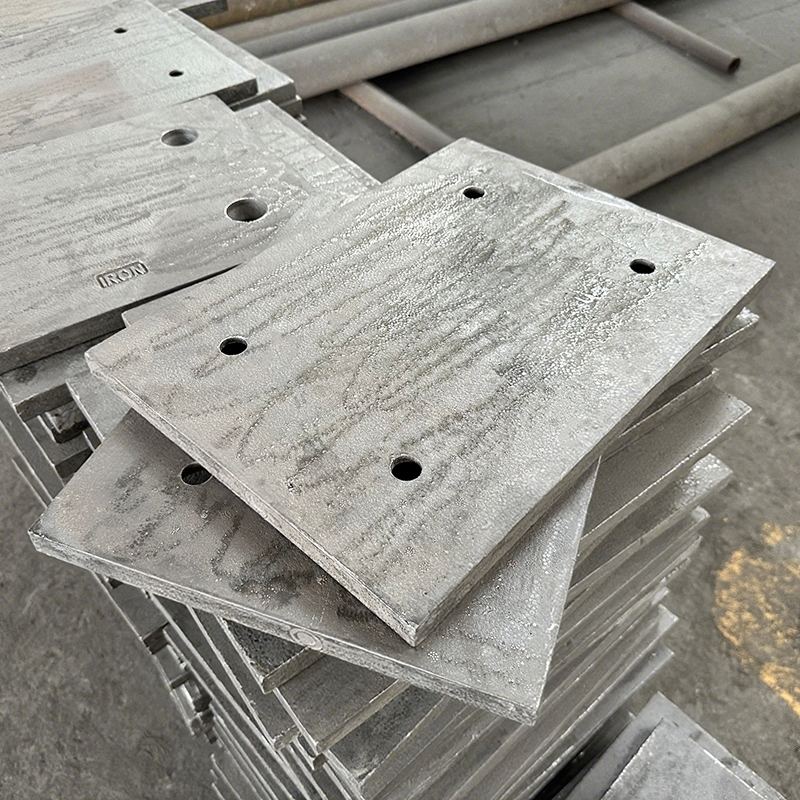
1. Fundamental Properties Contributing to Performance
High Chromium Alloy Wear-Resistant Lining is engineered to perform in extremely harsh industrial conditions by combining exceptional hardness, toughness, and corrosion resistance. The alloy typically contains 12–30% chromium, which promotes the formation of hard chromium carbides dispersed throughout a resilient metallic matrix. These carbides provide microscopic hardness that resists mechanical erosion from abrasive particles, while the surrounding matrix ensures that the material does not become overly brittle. Chromium’s presence also allows the formation of a passive oxide layer on the surface, which serves as a barrier against chemical corrosion.
This dual mechanism enables the alloy to withstand environments where it encounters both abrasive solids and chemically aggressive liquids, such as cement slurries or chemical transport pipelines. The combination of hardness, wear resistance, and corrosion protection ensures the lining maintains both structural integrity and surface quality over extended periods, reducing downtime, improving equipment reliability, and offering significant operational cost savings compared to standard steel or low-chromium linings.
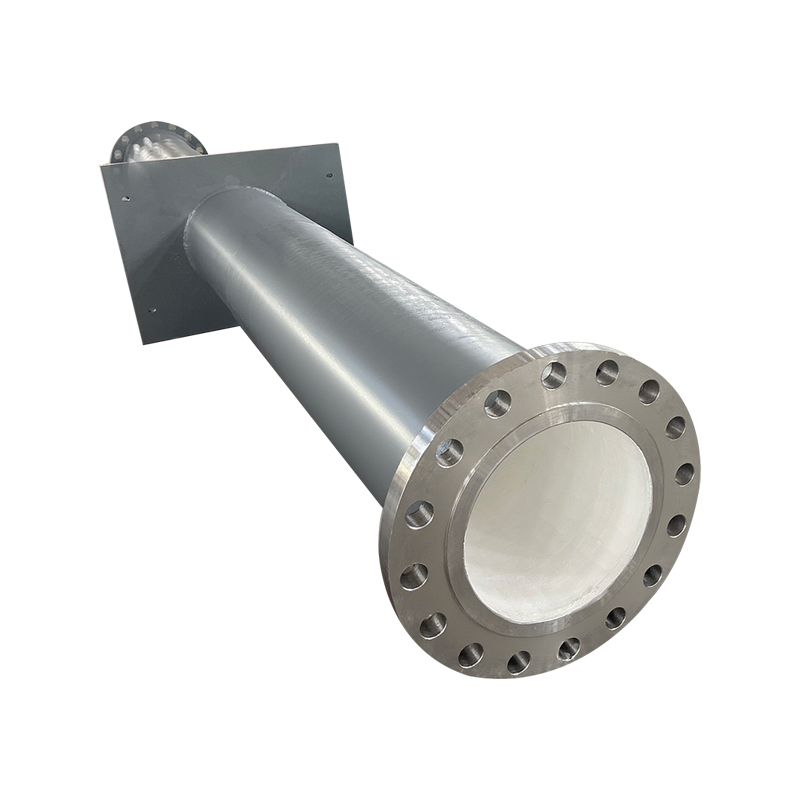
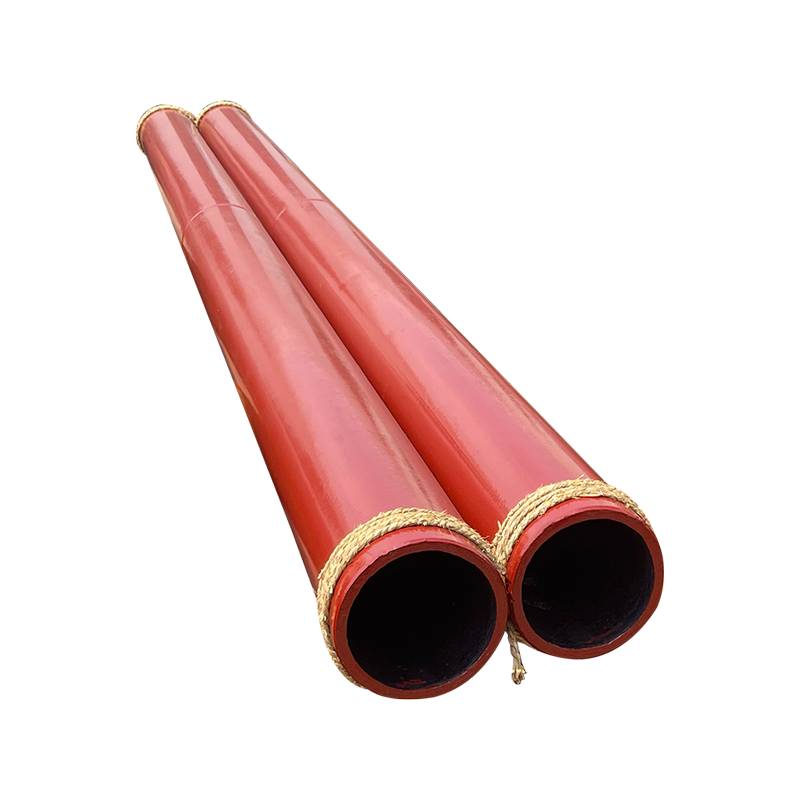
Wear-Resistant Alloy Linings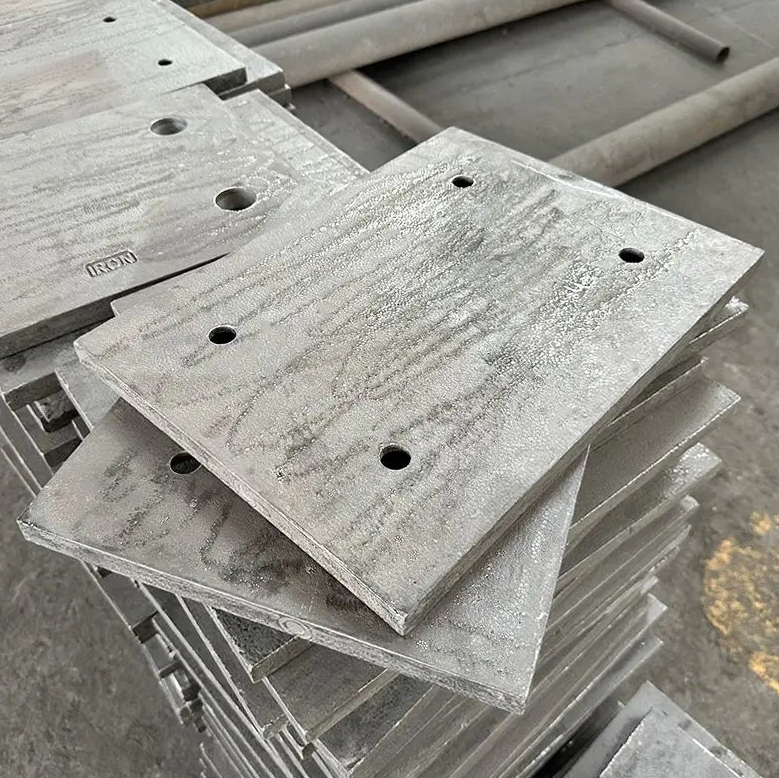
2. Performance in Abrasive Conditions
In industrial applications like cement mills, slurry pipelines, or mining equipment, abrasive wear is often the dominant failure mode. High Chromium Alloy Wear-Resistant Lining performs exceptionally well due to its embedded hard chromium carbides, which act as microscopic shields against particle impact, sliding, and erosion. These carbides resist scratching, gouging, and material loss even when exposed to highly abrasive media, such as cement clinker, sand, slag, or high-velocity mineral slurries. The performance of the lining depends on factors such as carbide volume fraction, uniformity of distribution, and matrix toughness, all of which determine how the material resists both localized and widespread wear.
The thickness of the lining is a critical factor; thicker linings allow for more sustained protection, absorbing repeated impacts without cracking or spalling. Proper installation also ensures stress is distributed evenly, preventing premature failure. In practice, High Chromium Alloy linings have been observed to last multiple times longer than conventional steel, reducing both maintenance frequency and production downtime while maintaining consistent performance in abrasive-heavy environments.
3. Performance in Corrosive Conditions
The corrosion resistance of High Chromium Alloy Wear-Resistant Lining is largely attributed to its chromium-rich matrix, which forms a self-healing passive oxide layer when exposed to chemical agents. This protective film shields the underlying material from acidic, alkaline, or chloride-rich media commonly found in chemical slurries, wet cement, or metallurgical processes. Even when surface scratches or minor mechanical wear occur, the oxide layer tends to reform, maintaining ongoing protection against chemical degradation. This property is crucial in environments such as chemical slurry pipelines or cement mills with wet, aggressive slurries, where conventional carbon steel or low-chromium linings would quickly corrode and fail.
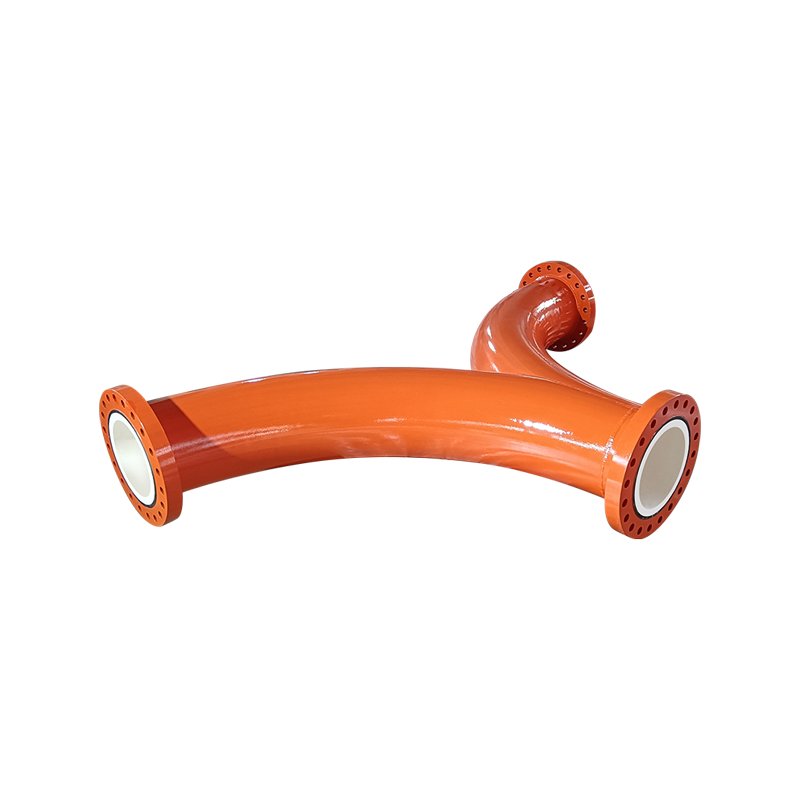
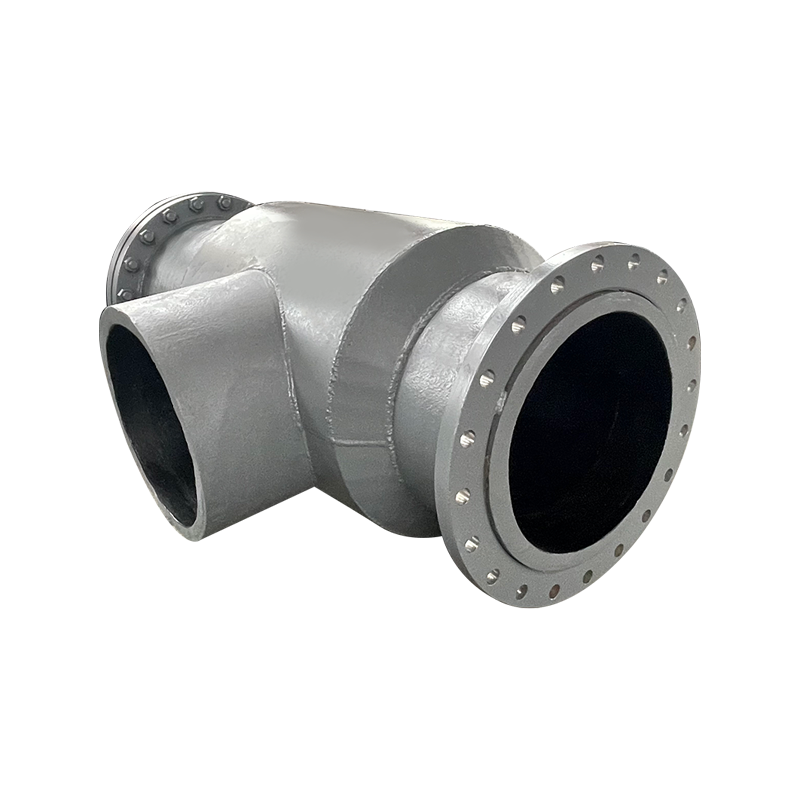
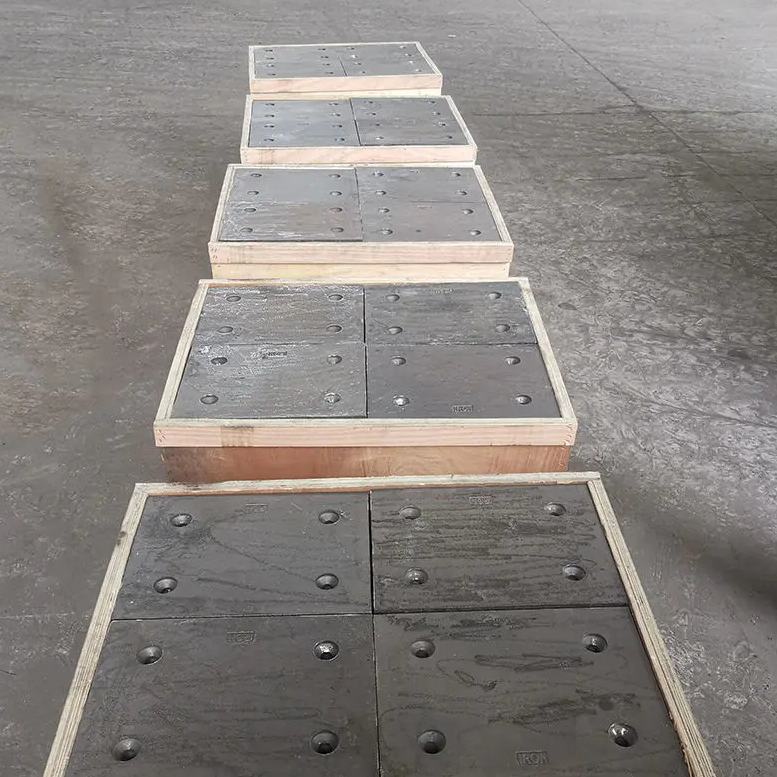
High chromium alloy wear-resistant lining
The alloy’s corrosion resistance is complemented by its mechanical hardness, allowing it to withstand simultaneous chemical attack and abrasive wear. By maintaining structural and chemical integrity under these combined stresses, High Chromium Alloy Wear-Resistant Lining significantly extends operational life and reduces unexpected equipment failures in harsh, corrosive environments.
4. Combined Abrasion and Corrosion Performance
High Chromium Alloy Wear-Resistant Lining is uniquely effective in environments where abrasive and corrosive forces act simultaneously. The hard carbides embedded in the alloy resist mechanical erosion and particle impact, while the chromium-rich matrix protects against chemical degradation. This dual mechanism ensures that the material maintains both its surface hardness and chemical stability, making it ideal for challenging applications such as cement mills, slurry pipelines, and metallurgical processing equipment.
Performance under combined conditions depends on several key factors: the chromium content, which must balance hardness and toughness to prevent brittleness; the chemical composition of the slurry, including pH and reactive ions; and the operating parameters, such as particle velocity, temperature, and concentration. Correctly optimized, High Chromium Alloy linings can achieve multiple times the service life of conventional low-chromium or carbon steel linings, reducing downtime, maintenance, and replacement costs while maintaining consistent, reliable performance in highly abrasive and chemically aggressive environments.
5. Practical Applications and Considerations
High Chromium Alloy Wear-Resistant Lining is widely used in industries that encounter highly abrasive and chemically aggressive conditions, including cement production, mining, chemical transport, and metallurgical operations. In cement mills, the lining protects against abrasive clinker, sand, and wet cement, maintaining equipment integrity and reducing downtime. In slurry pipelines, it prevents erosion and chemical corrosion from high-velocity slurries containing abrasive particles and reactive chemicals. For optimal performance, proper installation is crucial, whether through welding, bolting, or mechanical attachment, to ensure there are no gaps or stress concentrations that could accelerate localized wear.
Regular inspection is also essential to detect early signs of wear, cracking, or corrosion, allowing timely maintenance before failure occurs. When applied correctly, High Chromium Alloy linings deliver extended service life, reduced maintenance frequency, and improved operational reliability, making them an economically and operationally superior solution for industries facing extreme wear and corrosion challenges.