Search
 русский
 Español
 عربى
عربى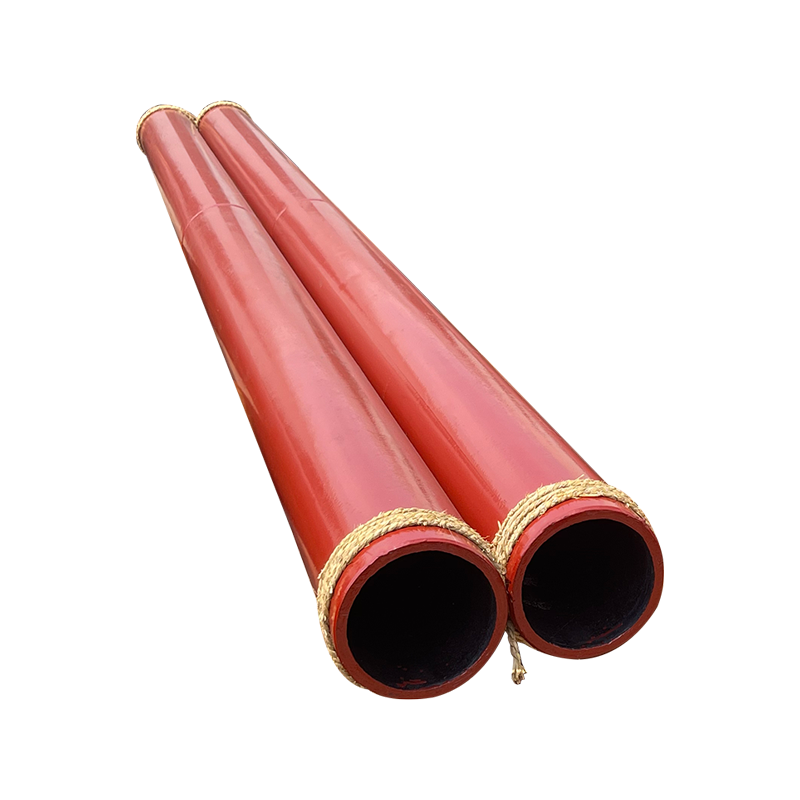
When conveying high-concentration slurries or fly ash, ceramic-lined composite steel pipe outperforms rubber-lined, HDPE-lined, and bare steel pipes in abrasion resistance by a significant margin. In standardized wear tests, ceramic linings (typically ≥92% Al₂O₃ alumina) exhibit a Vickers hardness of HV 1100–1400, compared to HV 60–90 for rubber, HV 60–70 for HDPE, and HV 120–180 for carbon steel. This translates directly into service life advantages measured in years, not months, especially in aggressive slurry transport environments such as coal ash pipelines, mineral processing circuits, and power plant fly ash systems.
Understanding the Wear Mechanisms in Slurry and Fly Ash Transport
Before comparing materials, it is essential to understand how abrasion damage occurs inside slurry pipelines. The two dominant wear mechanisms are:
- Sliding abrasion: Particles in contact with the pipe wall drag across the surface, cutting micro-grooves over time. This is dominant in straight pipe runs at moderate velocities.
- Impact erosion: Particles strike the wall at high angles, especially at bends and elbows, causing pitting and material removal. This is critical at flow velocities above 3 m/s.
Fly ash particles, for example, have a Mohs hardness of 5–7 and are irregularly shaped, making them highly erosive. High-concentration slurries (solid content >30% by weight) amplify both mechanisms simultaneously. A lining material must resist both abrasion and impact to deliver long-term performance.
Quantitative Abrasion Resistance Comparison
The table below summarizes key material properties and real-world performance data for the four pipe types under high-concentration slurry or fly ash conveying conditions:
| Pipe Type | Lining Hardness (HV) | Wear Rate (mm/year, fly ash) | Typical Service Life | Best Suited Flow Velocity |
|---|---|---|---|---|
| Ceramic-lined composite steel pipe | HV 1100–1400 | 0.01–0.05 | 15–30 years | 1–6 m/s |
| Rubber-lined steel pipe | HV 60–90 | 0.3–1.2 | 3–8 years | 1–4 m/s |
| HDPE-lined steel pipe | HV 60–70 | 0.5–1.8 | 2–6 years | 1–3 m/s |
| Bare carbon steel pipe | HV 120–180 | 1.5–4.0 | 1–3 years | Any (short-lived) |
These figures are based on field data and laboratory wear testing (e.g., ASTM G65 dry sand/rubber wheel abrasion and Miller slurry erosion tests) across power generation and mining industry applications. The ceramic lining's wear rate of 0.01–0.05 mm per year is approximately 30 to 80 times lower than bare steel and 10 to 30 times lower than rubber under identical slurry conditions.
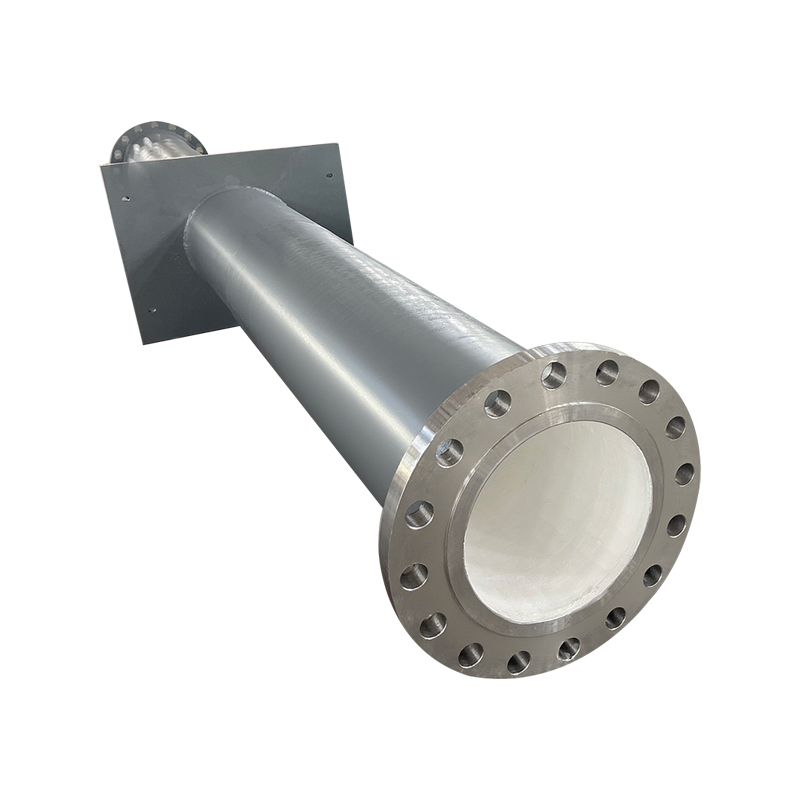
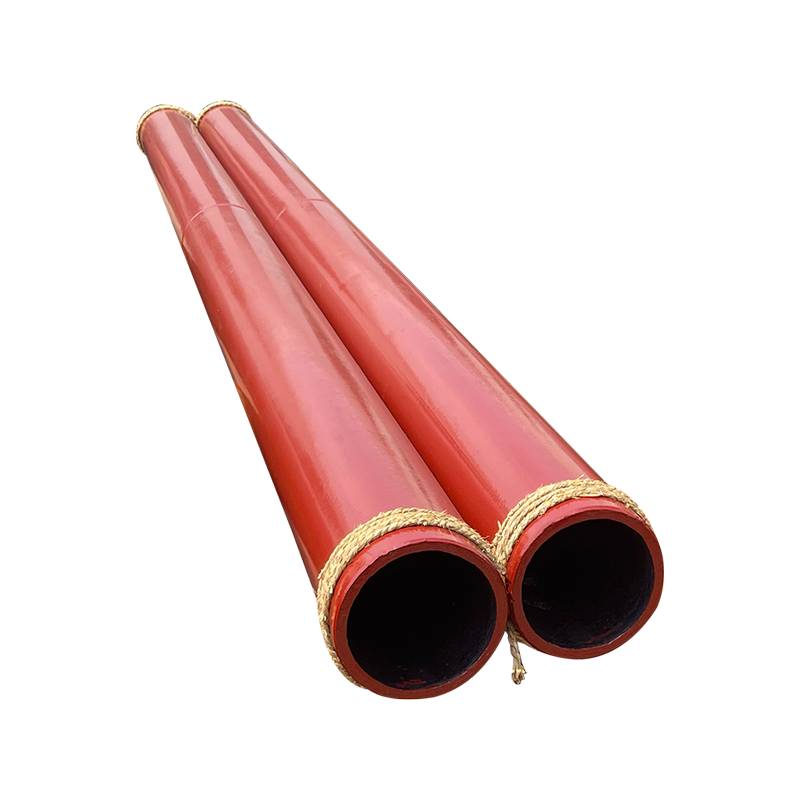
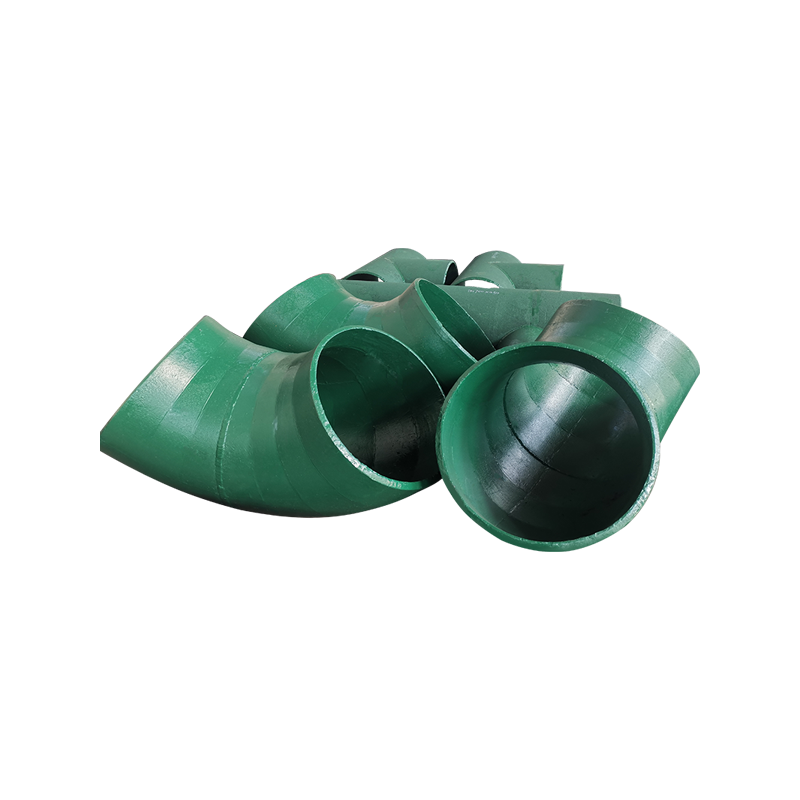
Ceramic-lined composite steel pipe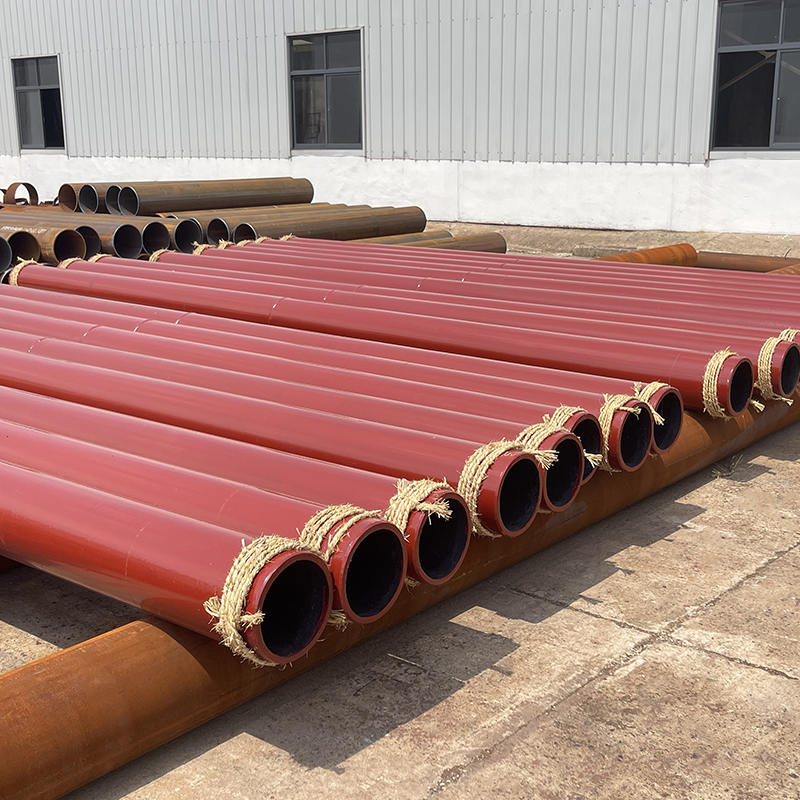
Ceramic-Lined Composite Steel Pipe: Why It Leads in Abrasion Resistance
The superior performance of ceramic-lined composite steel pipe stems from the physical properties of alumina ceramic (Al₂O₃). With a Mohs hardness of 9 — second only to diamond and silicon carbide — alumina is harder than virtually all slurry particles encountered in industrial applications, including quartz (Mohs 7), fly ash (Mohs 5–7), and iron ore (Mohs 5–6.5).
Key performance characteristics include:
- High hardness: Alumina at ≥92% purity reaches HV 1100–1400, preventing micro-cutting and ploughing by abrasive particles.
- Low surface roughness: Fired ceramic surfaces achieve Ra values of 0.4–0.8 μm, reducing particle-to-wall friction and minimizing erosion initiation sites.
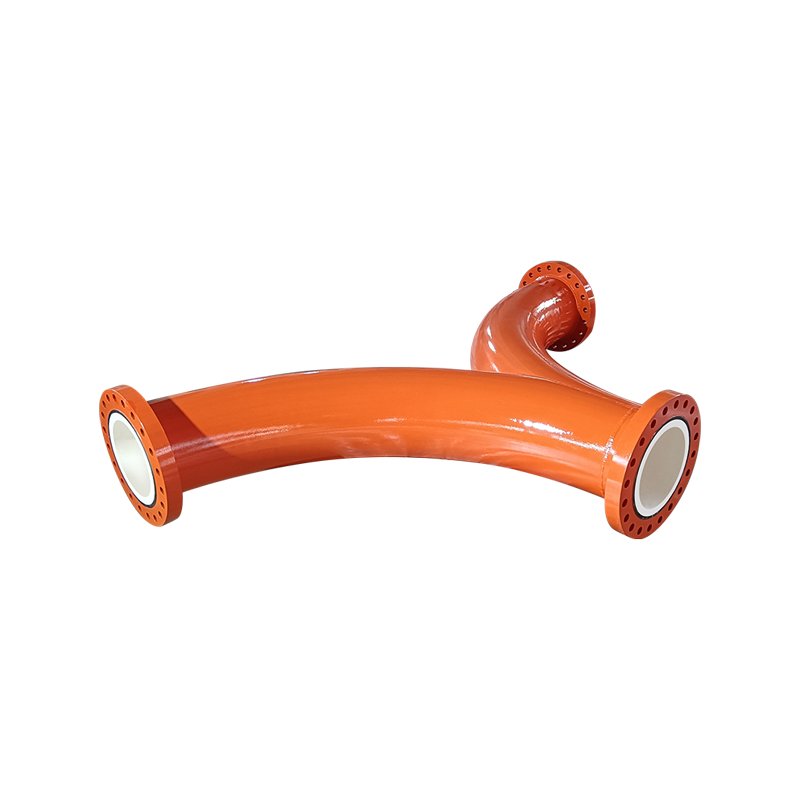
- Structural composite design: The outer steel shell absorbs mechanical stress and handles line pressure, while the inner ceramic lining handles all wear — combining the best properties of both materials.
- Temperature stability: Ceramic linings remain effective up to 350°C (662°F), making ceramic-lined composite steel pipe suitable for hot ash slurry applications where rubber and HDPE would soften or fail.
Rubber-Lined Steel Pipe: Good Elasticity, Limited Hardness
Rubber-lined steel pipe performs well in applications involving low-hardness, fine particles at moderate velocities (1–4 m/s). The elastic nature of natural or synthetic rubber allows it to absorb particle impacts rather than being cut by them — a mechanism known as elastic recovery. For this reason, rubber lining can outperform ceramics in very specific conditions involving soft, fine slurries at low velocity.
However, rubber-lined pipe has critical limitations:
- It degrades rapidly above 70–90°C, making it unsuitable for hot fly ash slurry transport.
- At flow velocities above 4 m/s, abrasion shifts from elastic absorption to cutting wear, and rubber wear rates increase sharply — recorded at 0.5–1.2 mm/year in fly ash service.
- Rubber is incompatible with hydrocarbon-bearing slurries or ozone-rich environments, where chemical degradation accelerates lining failure.
- Typical service life in coal fly ash pipelines is 3–8 years, requiring more frequent replacement cycles and associated downtime costs.
HDPE-Lined Steel Pipe: Cost-Effective but Wear-Limited
HDPE (High-Density Polyethylene) lining offers a low-friction surface and adequate corrosion resistance for mild slurry applications. Its smooth bore reduces pressure drop, and installation costs are relatively low. However, in high-concentration abrasive slurry service, HDPE falls short on multiple fronts.
Key HDPE Limitations in Abrasive Service
- Low hardness (HV 60–70) means HDPE is easily gouged by angular quartz or fly ash particles, with wear rates reaching 0.5–1.8 mm/year in aggressive service.
- Maximum continuous service temperature is limited to approximately 60°C, severely restricting use in thermally elevated slurry systems.
- Under high-velocity turbulent flow (>3 m/s), HDPE lining exhibits accelerated erosion at pipe bends and transition zones, requiring localized replacement within 2–4 years in mining slurry circuits.
- Long-term creep under sustained pressure loading can cause lining deformation and delamination, reducing the effective bore diameter over time.
Bare Steel Pipe: Lowest Cost, Shortest Life
Bare carbon steel pipe (typically Q235 or equivalent) is still used in some slurry systems due to its low initial cost and ease of fabrication. However, it provides the worst abrasion resistance of the four options compared here.
In fly ash slurry service at a solid concentration of 35–40% by weight, bare steel pipe shows wear rates of 1.5–4.0 mm/year at the 6 o'clock position (bottom of horizontal pipe), where particle settling concentrates the abrasive load. With a standard wall thickness of 6–8 mm, this translates to a service life of just 1–3 years before wall thinning reaches the minimum safe thickness. At elbows and bends, erosion is even more severe — wall penetration failures at bends have been recorded in as little as 8–14 months in coal ash pipeline systems operating at 2.5–3.5 m/s.
While the upfront cost of bare steel is the lowest, the total cost of ownership — factoring in replacement frequency, unplanned downtime, and environmental contamination from pipe failures — makes it the most expensive option over a 10-year horizon in high-abrasion service.
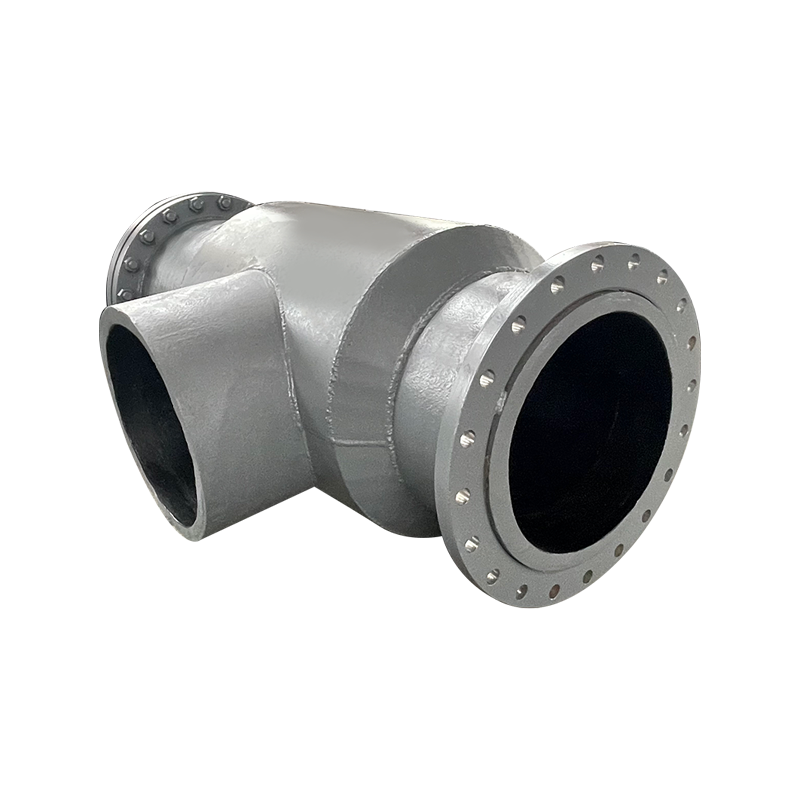
Ceramic-lined composite steel pipe
Application Scenarios: Choosing the Right Pipe Type
The following scenarios illustrate which pipe type is most appropriate based on operating conditions:
- Coal fly ash slurry at 30–50% solid concentration, 60–120°C: Ceramic-lined composite steel pipe is the clear choice — rubber and HDPE cannot handle the temperature, and bare steel will fail within 2 years.
- Fine tailings slurry at <20% solids, ambient temperature, 1–2 m/s: Rubber-lined steel pipe is a cost-effective solution; ceramic is more durable but may not justify the premium cost.
- Mildly abrasive process water with suspended fines: HDPE-lined pipe performs adequately and offers good corrosion resistance at minimal cost.
- High-velocity mineral slurry (quartz, iron ore) at >3 m/s: Only ceramic-lined composite steel pipe can deliver multi-year service life without mid-cycle replacement at bends and elbows.
Lifecycle Cost Perspective
A purely upfront cost comparison favors bare steel or HDPE-lined pipe. However, when evaluating total cost of ownership (TCO) over a 15-year period in a fly ash pipeline system, the economics shift dramatically in favor of ceramic-lined composite steel pipe:
- Bare steel pipe may require 5–10 full replacements in 15 years, each involving labor, material, and production downtime costs.
- Rubber-lined pipe typically requires 2–4 replacement cycles and is sensitive to installation quality — improper bonding leads to premature delamination.
- Ceramic-lined composite steel pipe, with a service life of 15–30 years in the same application, may require no replacement within a 15-year evaluation window, delivering the lowest TCO despite a higher initial investment.
In one documented case from a Chinese power plant fly ash transport system (DN300, 35% solids, 2.8 m/s), ceramic-lined composite steel pipe had zero wall penetration failures over 12 years, while bare steel sections on the same line required replacement every 14–18 months.
Conclusion
For high-concentration slurry and fly ash transport, ceramic-lined composite steel pipe delivers quantifiably superior abrasion resistance — with wear rates 30–80 times lower than bare steel, 10–30 times lower than rubber, and service lives of 15–30 years under conditions that destroy alternative linings in 1–6 years. While rubber-lined pipe remains competitive for low-velocity, fine-particle, ambient-temperature applications, and HDPE-lined pipe suits mildly abrasive service, neither can match the ceramic option in demanding, high-solids, high-velocity, or elevated-temperature environments. The decision should be driven not by initial pipe cost alone, but by a rigorous total cost of ownership analysis that accounts for replacement frequency, downtime, and operational risk.