Search
 русский
 Español
 عربى
عربى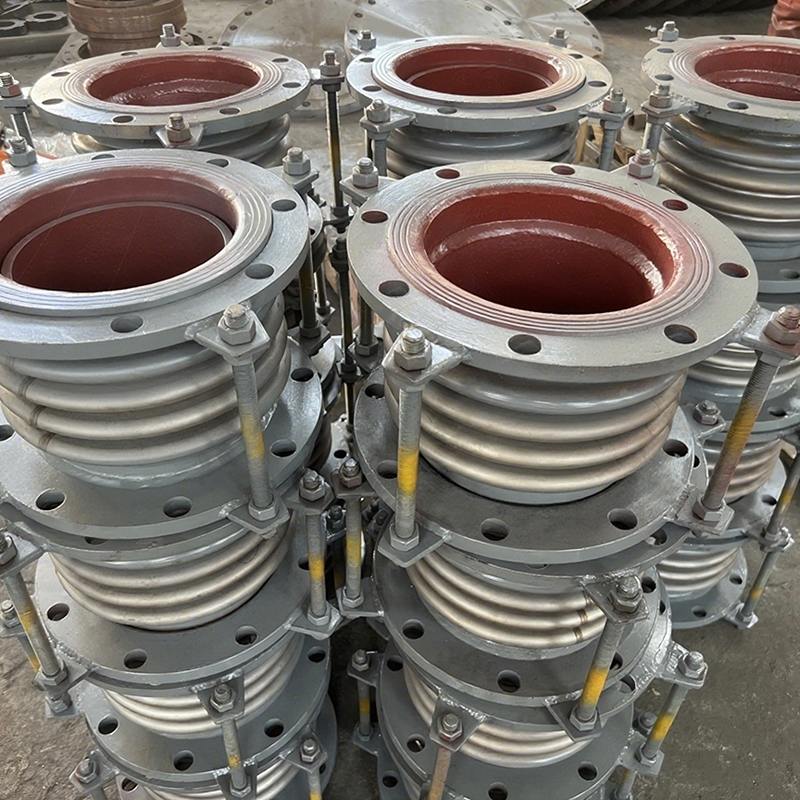
In most industrial applications, a bellows expansion joint provides better leak resistance than a fabric expansion joint. The primary reason is that a bellows expansion joint is designed with a continuous metal pressure boundary that can contain gases, liquids, steam, and other process media under pressure. Fabric expansion joints, while highly flexible and effective in certain applications, are generally intended for low-pressure systems and are more vulnerable to leakage caused by material degradation, mechanical damage, or improper installation.
For industries where leak prevention directly impacts safety, efficiency, environmental compliance, and operating costs, bellows expansion joints are often the preferred choice. However, the best solution still depends on the operating environment, pressure levels, temperature conditions, movement requirements, and maintenance capabilities.
bellows expansion joints
Why Leak Resistance Matters in Industrial Systems
Leak resistance is one of the most important performance indicators for any expansion joint. Industrial systems frequently transport high-temperature gases, steam, chemicals, compressed air, or valuable process fluids. Even a minor leak can create significant operational challenges.
The consequences of leakage may include:
- Reduced process efficiency
- Energy losses
- Increased maintenance costs
- Safety risks for personnel
- Environmental compliance violations
- Damage to nearby equipment
In a steam distribution system operating at 20 bar, even a small leak can waste substantial energy over time. Similarly, in chemical processing facilities, escaping process media may create environmental and safety concerns. Therefore, selecting an expansion joint with reliable sealing performance is critical.
How a Bellows Expansion Joint Achieves Superior Leak Resistance
Continuous Metal Construction
A bellows expansion joint consists of thin-wall metal convolutions formed into a flexible bellows structure. Because the bellows are manufactured from metal and welded to end fittings, they create a continuous pressure-retaining boundary. This design significantly reduces potential leak paths.
Excellent Pressure Retention
Many bellows expansion joints are designed to operate under pressures ranging from a few bar to more than 40 bar, depending on the design. Their ability to withstand pressure while maintaining a seal makes them suitable for demanding industrial environments.
Welded Sealing Integrity
Modern manufacturing techniques use precision welding to connect the bellows to flanges, pipe ends, or other connection types. Properly executed welds provide highly reliable sealing performance and can be tested using pressure tests or leak detection methods before installation.
Resistance to Gas Permeation
Unlike fabric materials, metal is essentially impermeable to gases and liquids. This characteristic allows bellows expansion joints to maintain long-term leak resistance even when handling steam, process gases, or hazardous chemicals.
Leak Resistance Limitations of Fabric Expansion Joints
Fabric expansion joints are engineered differently. They are typically constructed from multiple layers of fabric, insulation materials, elastomers, and protective coatings. Their primary advantage is flexibility rather than pressure containment.
Although modern fabric expansion joints can provide effective sealing in low-pressure systems, they face several challenges that may affect leak resistance over time:
- Material aging caused by heat exposure
- Chemical attack from corrosive gases
- Mechanical wear from movement and vibration
- Abrasion from particulate matter
- Potential damage during installation
As these factors accumulate, the likelihood of leakage may increase. This is especially true in systems subjected to frequent thermal cycling or harsh operating conditions.
Direct Comparison Between Bellows and Fabric Expansion Joints
| Performance Factor | Bellows Expansion Joint | Fabric Expansion Joint |
|---|---|---|
| Leak Resistance | Excellent | Moderate |
| Pressure Capability | High | Low |
| Gas Tightness | Very High | Application Dependent |
| Flexibility | Moderate | Very High |
| Maintenance Requirements | Lower | Higher |
Industrial Applications Where Bellows Expansion Joints Excel
Bellows expansion joints are commonly selected in applications where containment reliability is essential.
- Steam pipelines: Preventing steam leakage improves energy efficiency and worker safety.
- Chemical processing systems: Hazardous chemicals require dependable sealing.
- Power generation facilities: High temperatures and pressures demand robust pressure boundaries.
- Oil and gas installations: Leak prevention supports operational safety and regulatory compliance.
- Industrial manufacturing plants: Process efficiency depends on minimizing product losses.
In these environments, the superior sealing capability of a bellows expansion joint can contribute to reduced downtime and lower long-term operating costs.
The Importance of Rectangular Metal Bellows Expansion Joint Designs
Many industrial facilities use large rectangular ducts instead of circular piping. In these systems, a Rectangular metal bellows expansion joint provides a practical solution for accommodating thermal expansion while maintaining excellent leak resistance.
A Rectangular metal bellows expansion joint is commonly used in power plants, waste heat recovery systems, flue gas treatment equipment, industrial boilers, and large ventilation systems. Because it utilizes metal bellows technology, it can provide superior sealing performance compared with many fabric-based alternatives.
In applications involving elevated temperatures and slight positive pressures, a Rectangular metal bellows expansion joint may significantly reduce the risk of gas leakage. This benefit is especially valuable when handling corrosive flue gases or emissions that must remain contained within the system.
Additionally, a Rectangular metal bellows expansion joint can be engineered to accommodate axial, lateral, and angular movement while maintaining structural integrity. This combination of flexibility and sealing performance makes it an attractive option for many industrial duct systems.
Factors That Affect Leak Resistance Regardless of Design
Even the most advanced expansion joint can experience leakage if key design and maintenance considerations are ignored.
- Proper material selection for the operating environment.
- Accurate pressure and temperature ratings.
- Correct installation procedures.
- Adequate support and anchoring of the piping system.
- Routine inspection and preventive maintenance.
- Protection against excessive vibration and fatigue.
For example, a bellows expansion joint subjected to movement beyond its design limits may develop fatigue cracks over time. Likewise, a fabric expansion joint exposed to temperatures beyond its material capability may deteriorate rapidly and lose sealing effectiveness.
When a Fabric Expansion Joint May Still Be the Better Choice
Although bellows expansion joints generally provide superior leak resistance, fabric expansion joints remain valuable in specific situations.
- Very low-pressure duct systems
- Applications requiring extremely large movement capability
- Projects where weight reduction is important
- Large exhaust and ventilation systems
- Applications with complex geometric requirements
In these cases, the flexibility advantages of fabric expansion joints may outweigh their lower leak resistance capability.
A bellows expansion joint can provide better leak resistance than a fabric expansion joint in most industrial applications. Its welded metal construction, excellent pressure retention, resistance to gas permeation, and long-term sealing reliability make it particularly suitable for critical systems where leakage is unacceptable.
While fabric expansion joints remain useful for low-pressure ducting and highly flexible applications, industries that prioritize containment performance often choose bellows-based solutions. This is especially true for specialized products such as the Rectangular metal bellows expansion joint, which combines the leak-resistant advantages of metal bellows technology with the practical requirements of large industrial duct systems.