Search
 русский
 Español
 عربى
عربى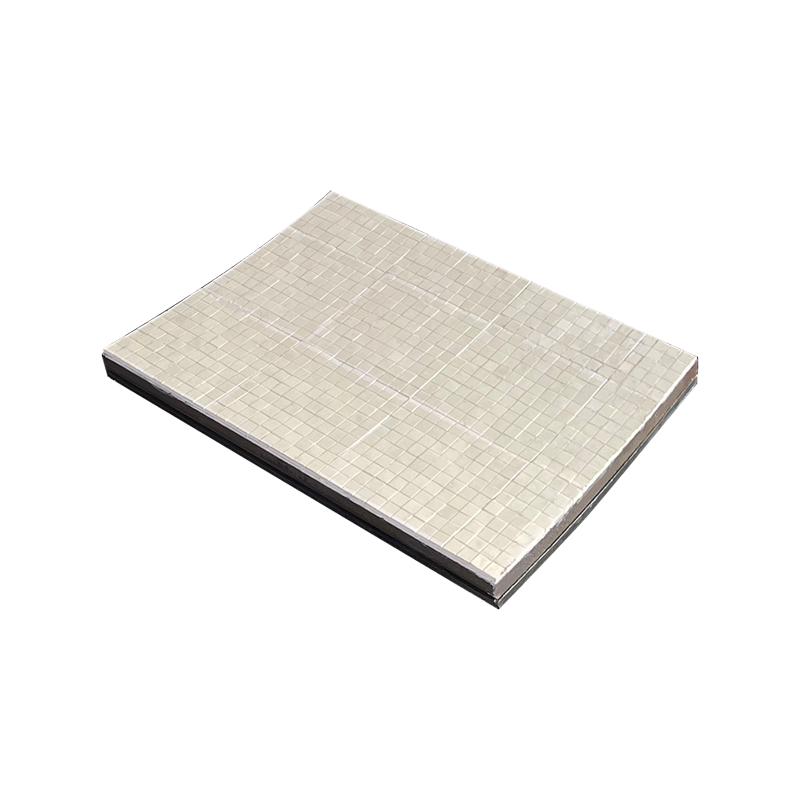
Reliable Thermal Stability
The Wear-Resistant Alloy Lining effectively manages thermal expansion and contraction in high-temperature industrial environments. Its alloy composition and metallurgical design allow it to maintain dimensional stability, reduce stress on surrounding equipment, and prevent cracking or deformation even under fluctuating temperatures up to 650°C (1202°F).
Understanding Thermal Expansion in Industrial Applications
Thermal expansion occurs when materials increase in volume due to temperature rise, while contraction happens when materials cool. In high-temperature industrial processes, such as furnaces, kilns, and molten material handling, uncontrolled expansion can cause mechanical failure, liner detachment, or equipment wear. The Wear-Resistant Alloy Lining is engineered to accommodate these changes without compromising protective performance.
The key factors influencing thermal behavior are:
- Coefficient of thermal expansion (CTE) of the alloy.
- Thickness and geometry of the lining panels.
- Installation method and attachment flexibility.
- Operational temperature range and thermal cycling frequency.
Material Composition and Thermal Properties
The Wear-Resistant Alloy Lining is typically made from high-chromium or nickel-based alloys with a combination of carbides, which offer superior hardness and wear resistance. These alloys are chosen for their low-to-moderate coefficients of thermal expansion (10–15 × 10-6/°C), which ensures that expansion and contraction remain within predictable limits.
Compared to standard carbon steel linings, which can experience expansion up to 20 × 10-6/°C, these alloys significantly reduce thermal stress. This is particularly important for applications such as cement kilns, steel ladles, and mineral processing equipment where temperatures can rapidly fluctuate.
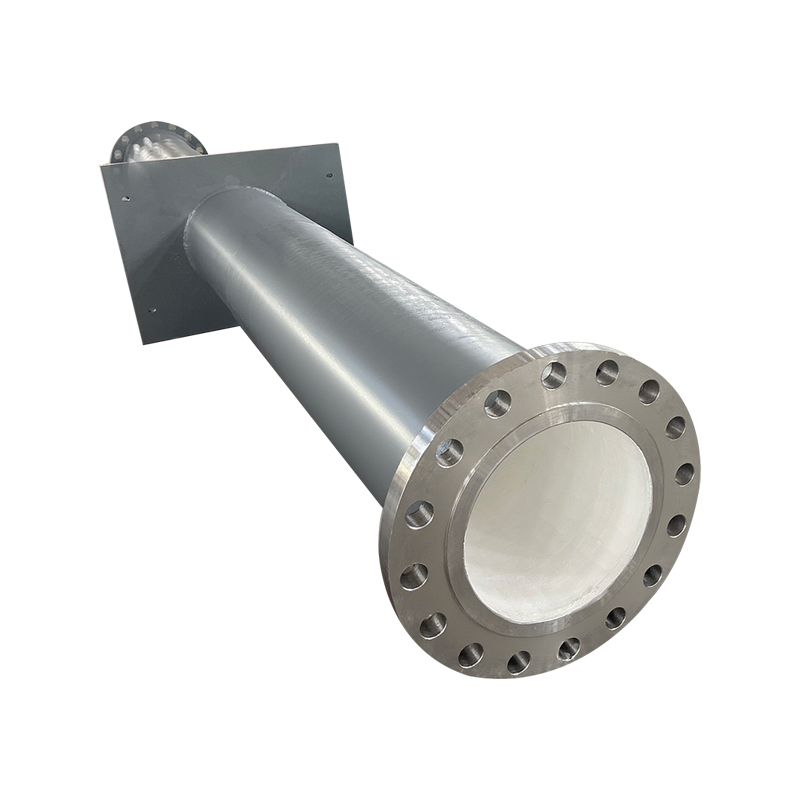
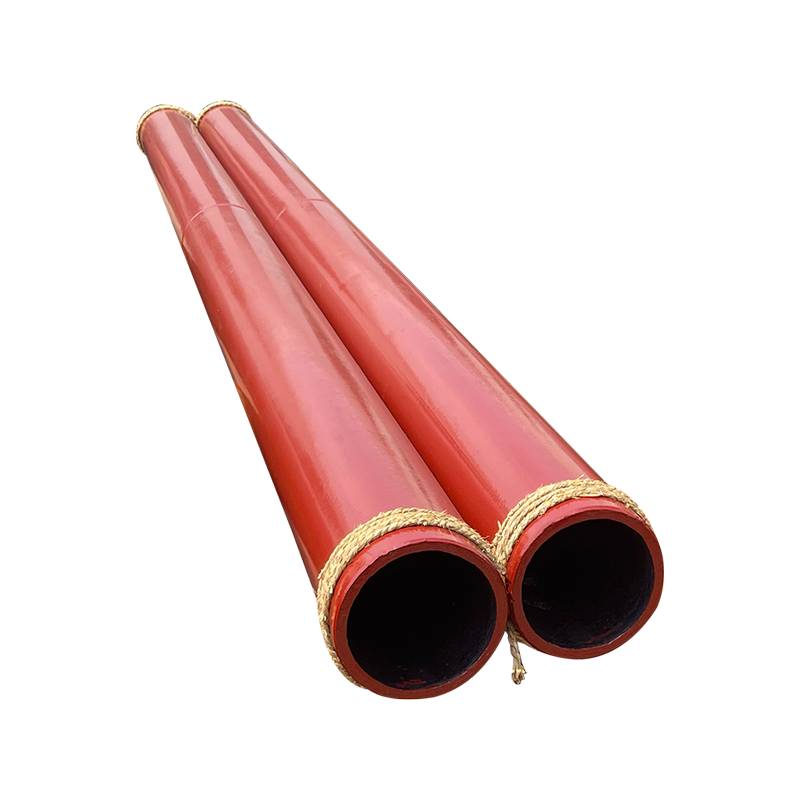
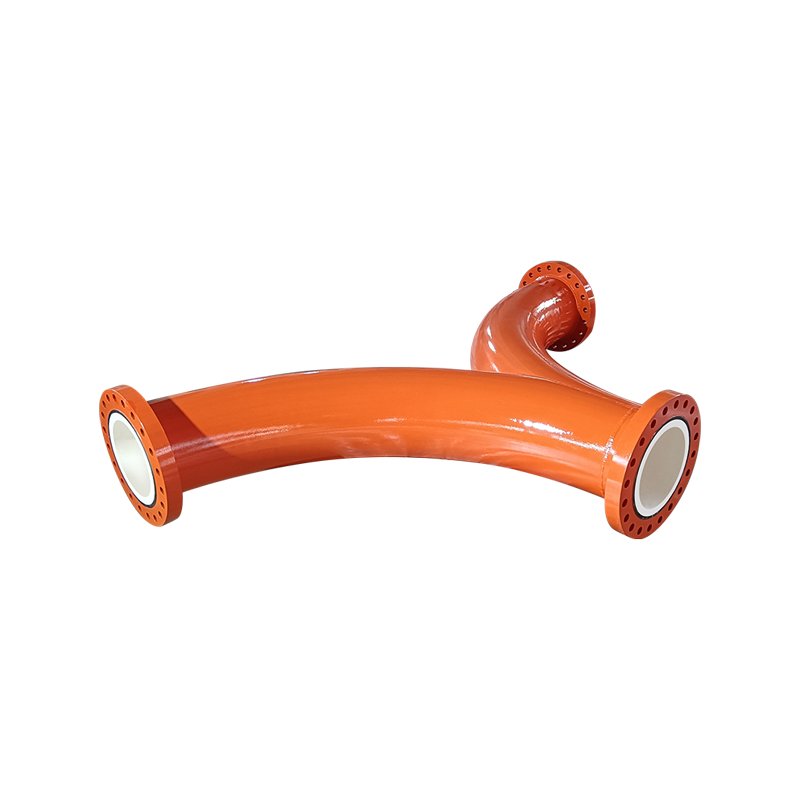
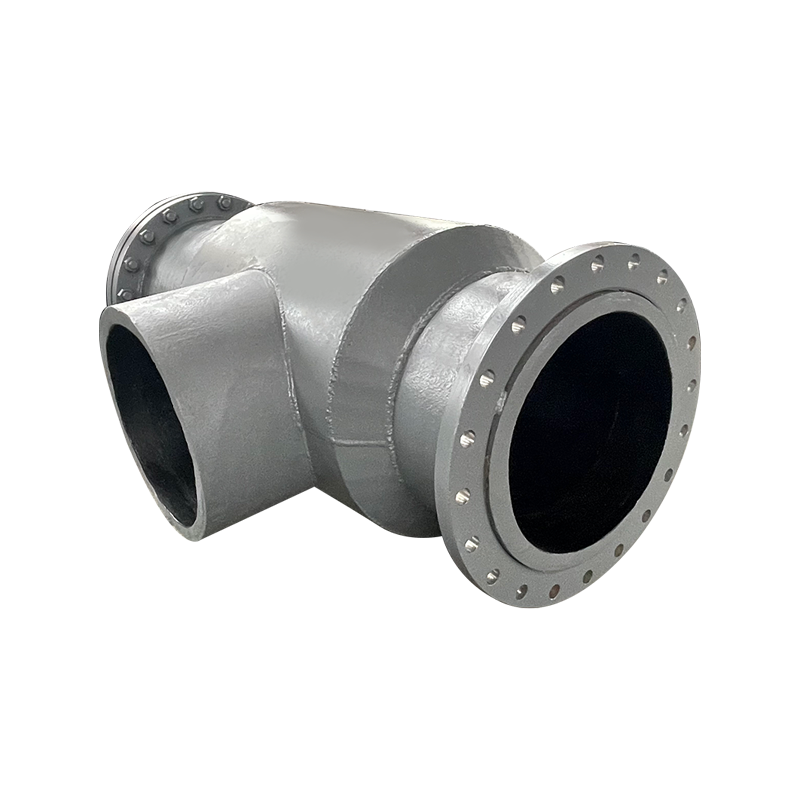
Three-in-one composite wear-resistant lining
Design Features to Mitigate Thermal Stress
In addition to material composition, the Wear-Resistant Alloy Lining incorporates design features to handle thermal expansion:
- Segmented lining panels with expansion joints to accommodate movement.
- Flexible attachment methods using bolts or clips that allow slight shifting.
- Tapered or interlocking edges to prevent gaps during expansion and contraction.
These design strategies reduce the likelihood of cracking, spalling, or detachment, ensuring long-term protection for industrial equipment.
Performance Under Thermal Cycling
Thermal cycling occurs when equipment repeatedly heats up and cools down, causing repeated expansion and contraction. The Wear-Resistant Alloy Lining has been tested under controlled thermal cycling up to 600–650°C for thousands of cycles without significant degradation.
| Test Temperature (°C) | Number of Cycles | Observed Damage |
|---|---|---|
| 600 | 5000 | Minor surface oxidation, no cracks |
| 650 | 3000 | Slight micro-spalling at edges, manageable with maintenance |
Installation Best Practices for Thermal Stability
To optimize the thermal performance of the Wear-Resistant Alloy Lining, proper installation is critical:
- Ensure all panels are preheated or acclimated to ambient temperature to reduce initial stress.
- Maintain correct joint spacing and avoid over-tightening fasteners, allowing controlled expansion.
- Regularly inspect expansion gaps during maintenance cycles to detect early signs of stress.
Following these guidelines ensures that the lining continues to absorb thermal expansion efficiently, maintaining both protective function and equipment longevity.
The Wear-Resistant Alloy Lining demonstrates exceptional capability in handling thermal expansion and contraction in high-temperature industrial processes. Its optimized alloy composition, low coefficient of thermal expansion, segmented design, and installation flexibility collectively ensure reliable performance, reduced maintenance, and extended equipment life. Industrial operators can confidently rely on this lining to mitigate thermal stress in critical high-temperature applications.