Search
 русский
 Español
 عربى
عربى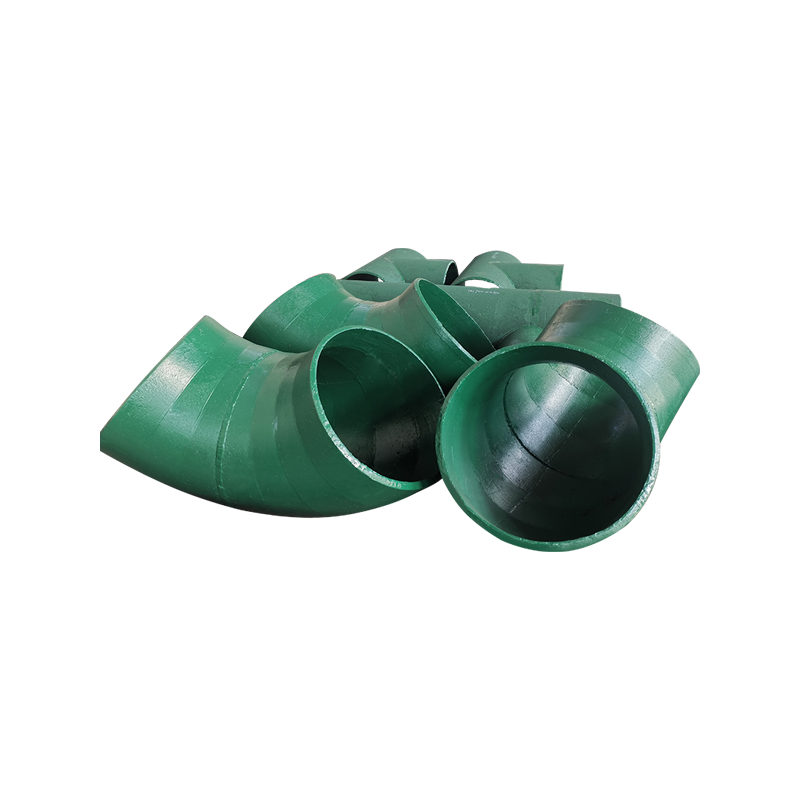
The addition of rare earth elements to Rare Earth Alloy Wear-Resistant Pipe significantly improves weldability compared to conventional high-chrome or carbide-reinforced alloy pipes — but it also introduces specific metallurgical sensitivities that demand careful procedure control. In short, rare earth additions refine the weld heat-affected zone (HAZ), reduce hot cracking tendency, and improve toughness at the weld joint, provided that pre-heating temperatures, interpass temperatures, and post-weld heat treatment (PWHT) protocols are strictly followed.
Among the various categories of Wear-Resistant Pipes available on the market today — including ceramic-lined, basalt-lined, and bimetal composite variants — the rare earth alloy pipe stands out for combining meaningful abrasion resistance with practical field weldability. This article breaks down the metallurgical mechanisms, the practical welding requirements, and the critical parameters that any engineer or procurement specialist must understand before installing or repairing Rare Earth Alloy Wear-Resistant Pipe in the field.
How Rare Earth Elements Alter the Weld Metallurgy
Rare earth (RE) elements — most commonly cerium (Ce), lanthanum (La), and yttrium (Y) — are added to the alloy matrix of Rare Earth Alloy Wear-Resistant Pipe in trace quantities, typically ranging from 0.02% to 0.15% by weight. Despite these small amounts, their influence on weld behavior is profound.
During solidification of the weld pool, rare earth elements act as powerful grain refiners and inclusion modifiers. Unlike standard Wear-Resistant Pipes that rely solely on high carbon or chromium content for hardness, the rare earth alloy pipe achieves its performance through a more refined microstructural approach. Specifically, RE elements perform three key metallurgical functions:
- Desulfurization and deoxygenation: RE elements have a strong affinity for sulfur and oxygen, forming stable RE sulfides and oxides (e.g., Ce₂O₃, CeS) that float out of the weld pool as slag inclusions, reducing the concentration of embrittling impurities at grain boundaries.
- Grain boundary purification: By displacing sulfur and phosphorus from austenite grain boundaries, RE additions reduce the liquation cracking susceptibility in the HAZ — a common failure mode in high-alloy wear-resistant steels.
- Carbide morphology control: In high-carbon wear alloys, RE elements modify the shape of primary carbides from sharp-edged plates to rounder, more dispersed particles, which reduces stress concentration at weld interfaces and improves overall joint ductility.
The combined effect is a weld joint with a finer, more homogeneous microstructure and measurably better toughness — a critical advantage when the Rare Earth Alloy Wear-Resistant Pipe is subjected to impact loads or vibration in service.
Weldability Compared to Conventional Wear-Resistant Alloys
To quantify the improvement, the following table compares the weldability indicators of Rare Earth Alloy Wear-Resistant Pipe against two common alternatives within the broader family of Wear-Resistant Pipes: standard high-chrome white iron pipe (28% Cr) and plain carbon-manganese wear steel (e.g., Hardox-equivalent).
| Parameter | RE Alloy Wear-Resistant Pipe | High-Chrome White Iron Pipe | Carbon-Mn Wear Steel |
|---|---|---|---|
| Hot Cracking Susceptibility | Low | Very High | Low–Medium |
| Required Preheat Temperature | 150–250°C | 300–450°C or not weldable | 50–150°C |
| HAZ Grain Coarsening | Moderate (RE-refined) | Severe | Moderate |
| Joint Toughness (Charpy, J) | 35–60 J | <10 J | 60–120 J |
| Field Repairability | Good | Poor | Excellent |
The data clearly shows that Rare Earth Alloy Wear-Resistant Pipe occupies a practical middle ground — far more weldable than high-chrome white iron, while offering substantially superior wear resistance compared to plain wear steel. For operations that require both abrasion protection and on-site joint flexibility, the rare earth alloy pipe consistently delivers a more balanced engineering solution than either extreme alternative among conventional Wear-Resistant Pipes.
Pre-Weld Preparation Requirements
Proper pre-weld preparation is non-negotiable for achieving sound joints in Rare Earth Alloy Wear-Resistant Pipe. The following steps should be strictly observed:
Surface Cleaning
All mill scale, rust, grease, and moisture must be removed within at least 25 mm of the weld zone. Contamination — particularly sulfur compounds — can override the beneficial RE desulfurization effect and reintroduce hot cracking risk. This is especially important for rare earth alloy pipe, where the RE-modified grain boundaries are sensitive to sulfur reintroduction. Angle grinding to a bright metallic finish is the recommended method.
Pre-Heating
A preheat temperature of 150°C to 250°C is required for most grades of Rare Earth Alloy Wear-Resistant Pipe with carbon equivalents (CE) in the range of 0.45–0.65. Preheat should be applied uniformly using propane torches or induction heating blankets, verified by surface contact thermometers, and maintained throughout the entire welding operation.
Joint Design
A single or double V-groove preparation with a 60–70° included angle and a root face of 1.5–2.0 mm is recommended for butt joints. This geometry provides adequate access for root pass deposition while minimizing the volume of weld metal required, which reduces heat input and associated HAZ softening — a consideration shared across all high-alloy Wear-Resistant Pipes but particularly critical for the RE-enhanced microstructure.
Recommended Welding Processes and Consumables
Not all welding processes are equally suited to Rare Earth Alloy Wear-Resistant Pipe. The choice of process directly affects heat input, dilution rate, and the preservation of the RE-modified microstructure in the HAZ.
- SMAW (Shielded Metal Arc Welding): Suitable for field repairs of rare earth alloy pipe. Use low-hydrogen electrodes (E7018 or equivalent) with a moisture-baked condition (stored at 300–350°C, used within 4 hours of removal). Heat input should be kept below 25 kJ/cm per pass.
- FCAW (Flux-Cored Arc Welding): Preferred for production welding of Wear-Resistant Pipes due to higher deposition rates. Use gas-shielded flux-cored wire with 75% Ar / 25% CO₂ shielding gas. Maintain interpass temperature below 200°C to prevent excessive carbide coarsening.
- GTAW (TIG Welding): Recommended for root passes on smaller-diameter Rare Earth Alloy Wear-Resistant Pipe (DN50–DN150) where precision and low dilution are critical. Use matching or slightly undermatched filler wire to preserve toughness.
- Avoid SAW (Submerged Arc Welding) for thin-walled sections of any rare earth alloy pipe, as the high heat input (often exceeding 50 kJ/cm) can dissolve RE-modified carbides and negate the microstructural benefits of the rare earth additions.
Post-Weld Heat Treatment (PWHT) Protocols
Post-weld heat treatment is strongly recommended — and in many pressure-service applications, mandatory — for Rare Earth Alloy Wear-Resistant Pipe. The objectives of PWHT are to relieve residual welding stresses, temper any martensite formed in the HAZ during cooling, and restore a degree of toughness to the weld zone. Compared to other Wear-Resistant Pipes, the rare earth alloy pipe responds particularly well to controlled PWHT due to the RE-stabilized grain boundary structure, which resists excessive grain growth during the thermal cycle.
Stress Relief Annealing
Heat the completed weld assembly to 550–620°C, hold for 1 hour per 25 mm of wall thickness (minimum 1 hour), then cool slowly in still air or under an insulating blanket at a controlled rate not exceeding 100°C/hour until the temperature drops below 300°C. Rapid cooling from PWHT temperature can reintroduce quench stresses and partially undo the stress relief benefit.
Avoiding Sensitization
For grades of Rare Earth Alloy Wear-Resistant Pipe with chromium content above 12%, avoid prolonged exposure in the temperature range of 450–850°C during PWHT, as this can cause chromium carbide precipitation at grain boundaries (sensitization), reducing corrosion resistance at the weld joint. In such cases, a solution anneal at 1,050°C followed by rapid quench may be required instead of conventional stress relief.
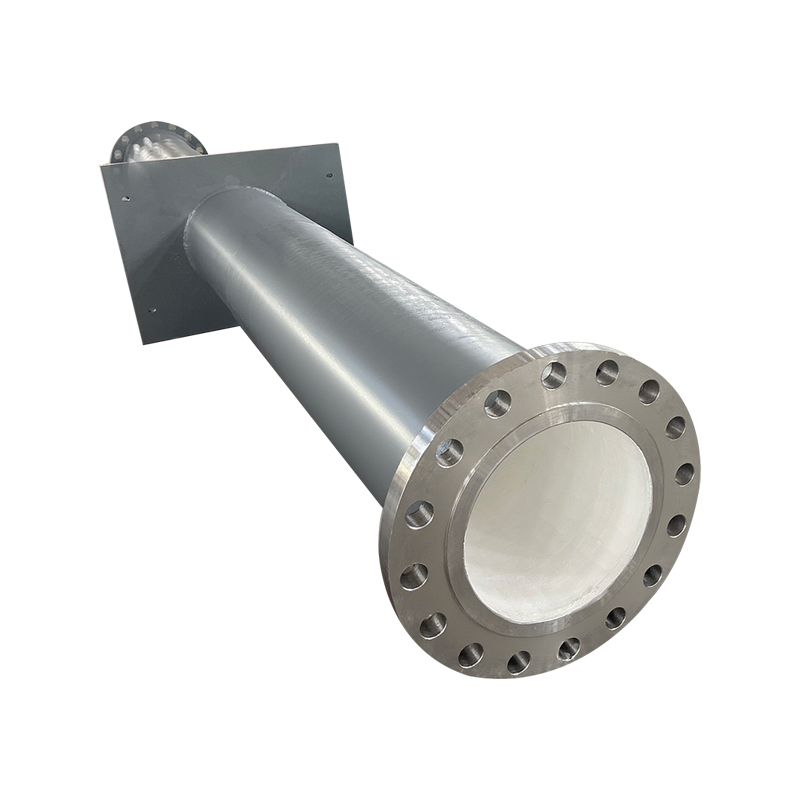
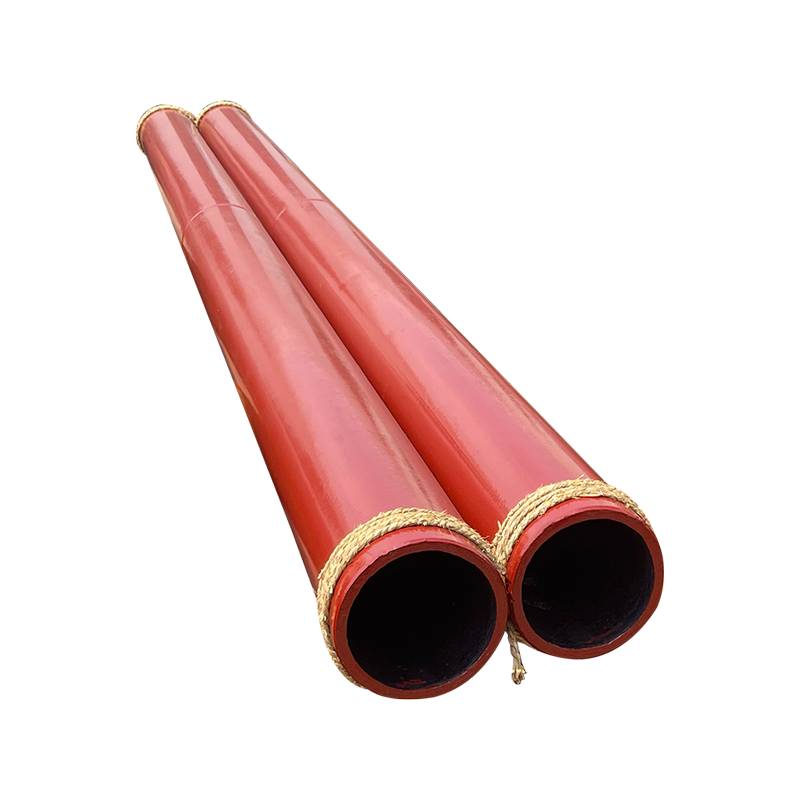
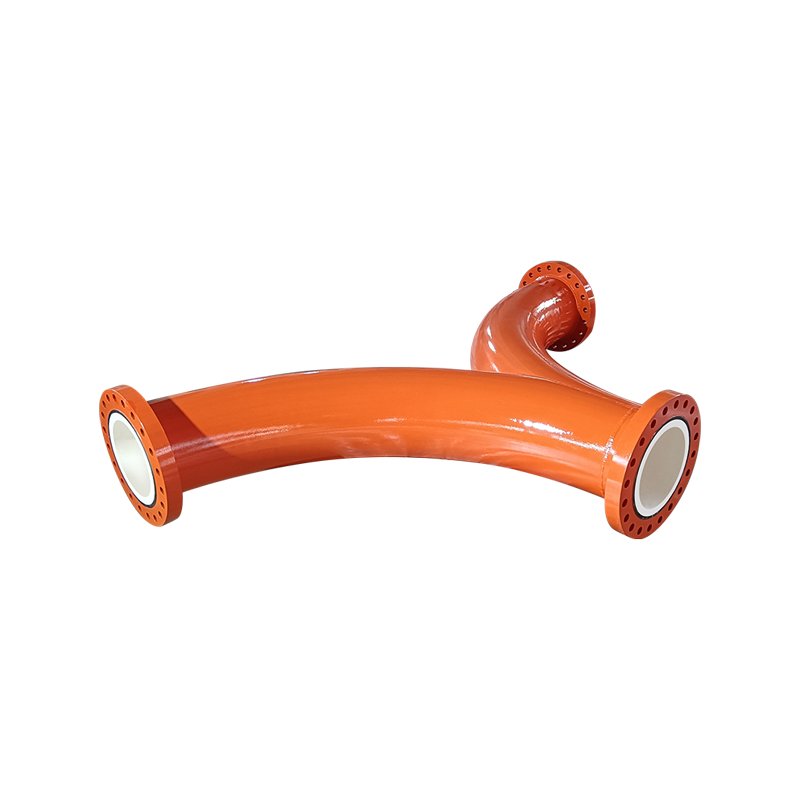
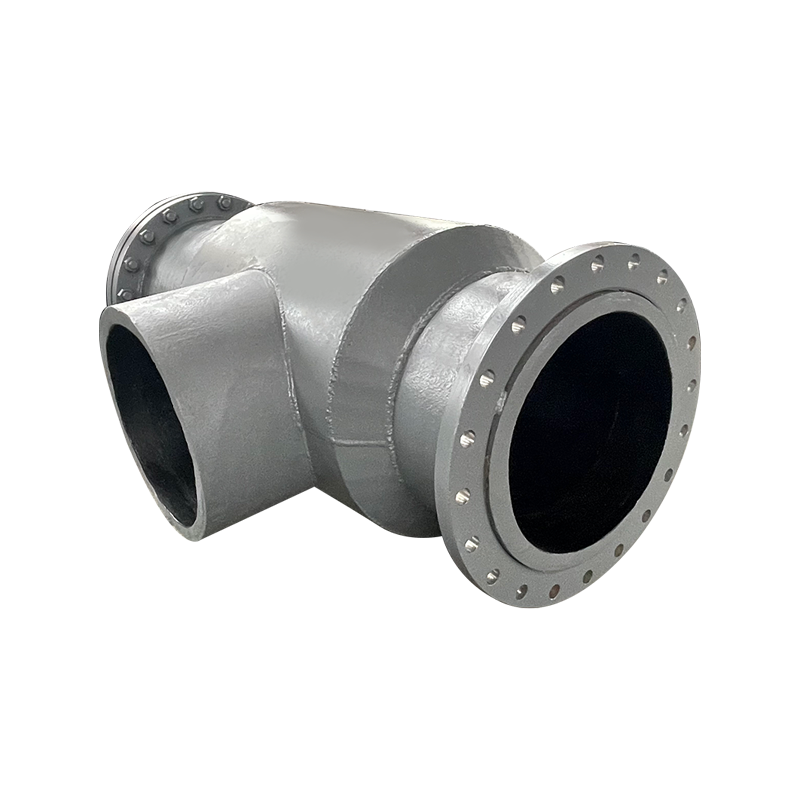
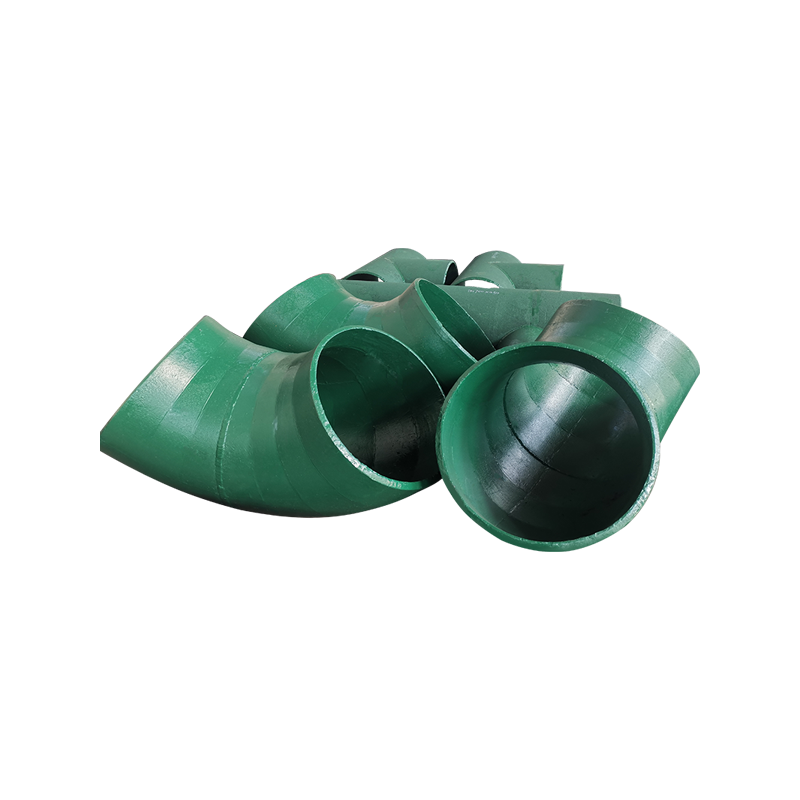
Rare earth wear-resistant steel pipe
Common Weld Defects and How to Prevent Them
Even with optimized procedures, certain defects are more prevalent in Rare Earth Alloy Wear-Resistant Pipe welds. Understanding their root causes enables proactive prevention:
| Defect Type | Primary Cause | Prevention Measure |
|---|---|---|
| HAZ Cold Cracking | Hydrogen embrittlement + martensite formation | Use low-hydrogen consumables; maintain preheat ≥150°C |
| Porosity | Moisture in flux or shielding gas contamination | Bake electrodes; verify shielding gas flow rate (15–20 L/min) |
| Lack of Fusion | Insufficient heat input or incorrect travel speed | Maintain arc energy within specified range; inter-pass cleaning |
| HAZ Softening | Excessive interpass temperature dissolving carbides | Monitor interpass temperature; keep below 200°C |
Non-Destructive Testing After Welding
Following completion of all welding and PWHT operations, all joints in Rare Earth Alloy Wear-Resistant Pipe systems should be subjected to a defined non-destructive examination (NDE) sequence before return to service. The same NDE principles apply broadly to other Wear-Resistant Pipes, but the delayed cracking behavior specific to rare earth alloy pipe makes the timing and sequence of inspection especially critical:
- Visual Inspection (VT): Verify weld profile, cap geometry, and absence of surface-breaking cracks or undercut exceeding 0.5 mm depth.
- Magnetic Particle Inspection (MT): Detect surface and near-surface discontinuities, particularly HAZ cold cracks that may form 24–48 hours after welding due to delayed hydrogen cracking.
- Ultrasonic Testing (UT): Volumetric examination for internal lack of fusion, porosity clusters, or lamellar tearing. Phased array UT (PAUT) is recommended for wall thicknesses above 20 mm.
- Hardness Survey (HV10): Confirm that HAZ hardness does not exceed 350 HV after PWHT, which would indicate residual martensite and unacceptable cold cracking risk.
Performing MT inspection no earlier than 24 hours after weld completion is particularly important for Rare Earth Alloy Wear-Resistant Pipe, because delayed hydrogen-assisted cracking can develop well after the joint has cooled to ambient temperature.
Practical Takeaways for Field Engineers and Procurement Teams
The weldability advantages introduced by rare earth additions make Rare Earth Alloy Wear-Resistant Pipe a genuinely viable solution for abrasive service systems that also require field-weldable joints. However, realizing those advantages requires discipline in procedure execution. Key practical points to carry forward:
- Always request the carbon equivalent (CE) value from the pipe manufacturer before designing your welding procedure specification (WPS), as CE directly dictates preheat requirements for any rare earth alloy pipe grade.
- Specify low-hydrogen electrodes as a contractual requirement in fabrication and installation contracts — electrode moisture is the single largest controllable risk factor for cold cracking across all high-alloy Wear-Resistant Pipes.
- Where possible, perform welding in a controlled indoor environment. Wind, rain, and ambient temperatures below 5°C dramatically increase hydrogen absorption and cooling rates, both of which are detrimental to weld quality in Rare Earth Alloy Wear-Resistant Pipe.
- Budget for PWHT in the project schedule — skipping it to reduce cost almost invariably leads to premature HAZ cracking and more expensive in-service failures, regardless of the grade of rare earth alloy pipe specified.
The rare earth element addition in Rare Earth Alloy Wear-Resistant Pipe is a net positive for weldability — but it shifts the challenge from the pipe's inherent material properties to the precision and discipline of the welding procedure. With correct process selection, thermal management, and post-weld inspection, durable, high-integrity weld joints are fully achievable in field and shop environments alike. For any project specifying Wear-Resistant Pipes in demanding abrasive service, the rare earth alloy pipe remains one of the most technically justified and installation-friendly choices available today.