Search
 русский
 Español
 عربى
عربى
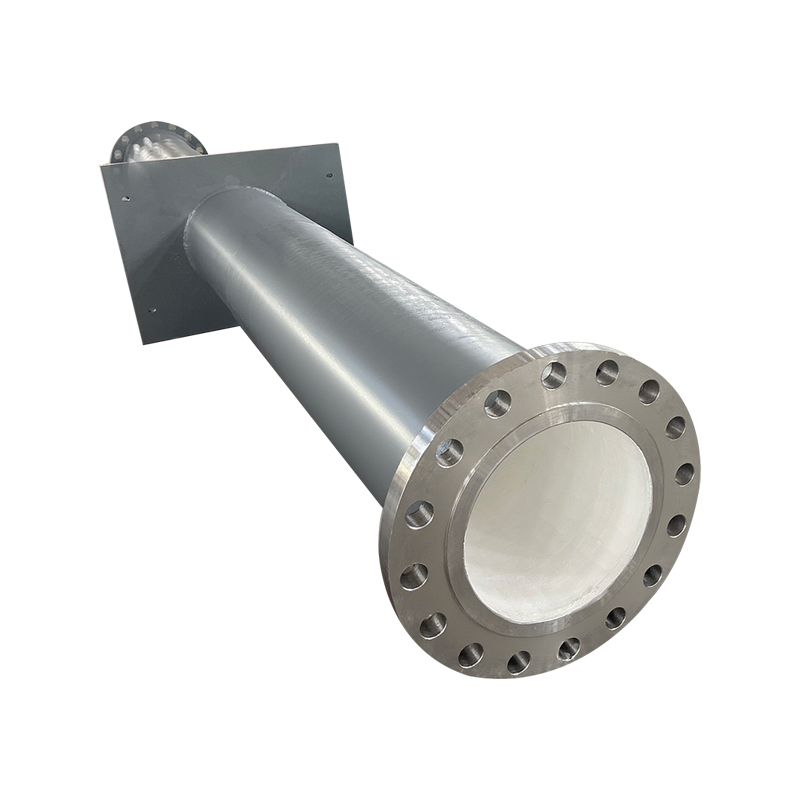
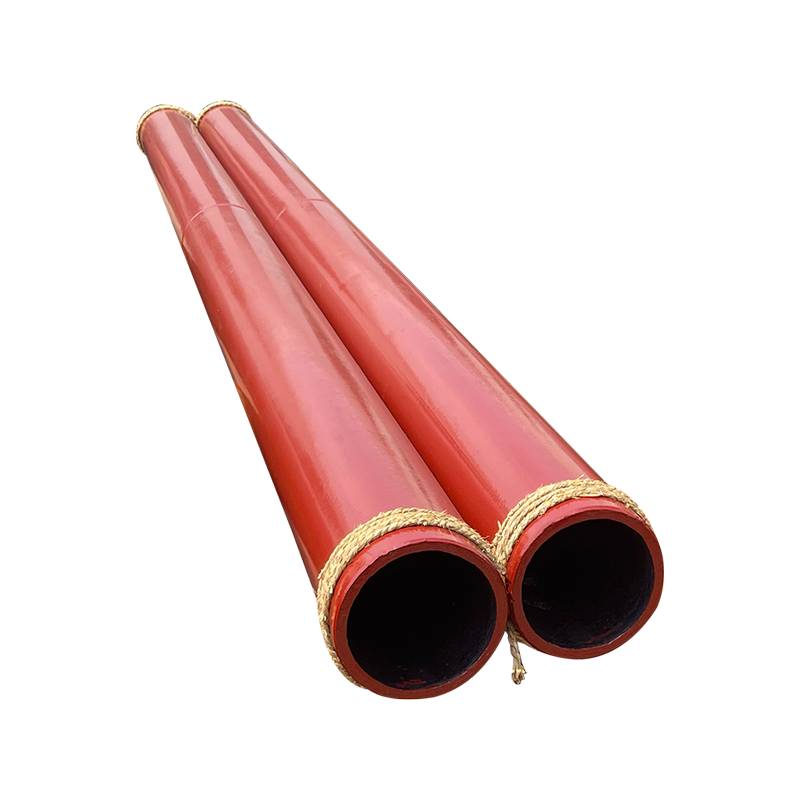
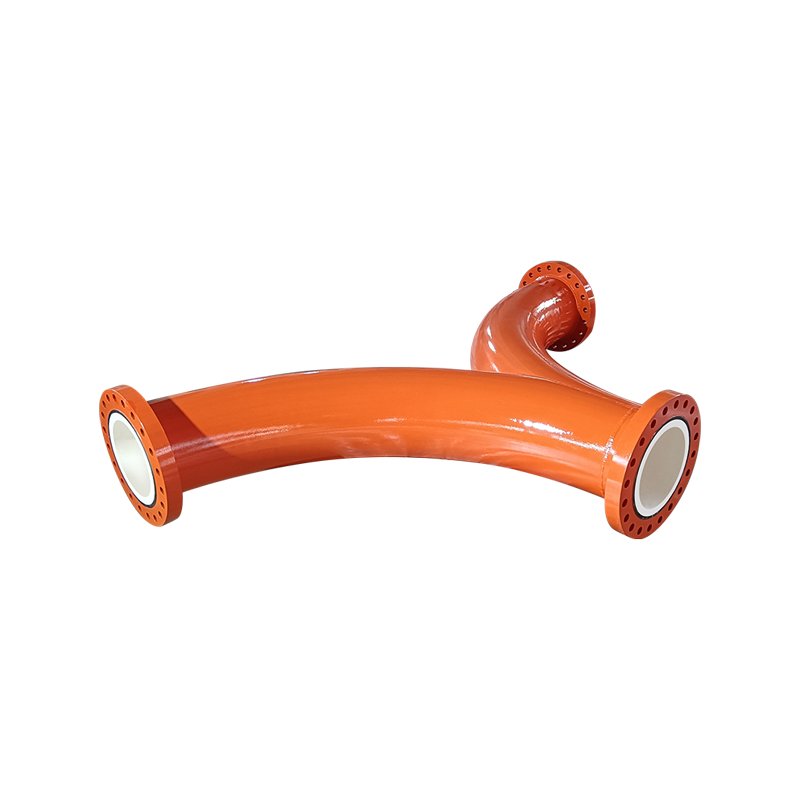
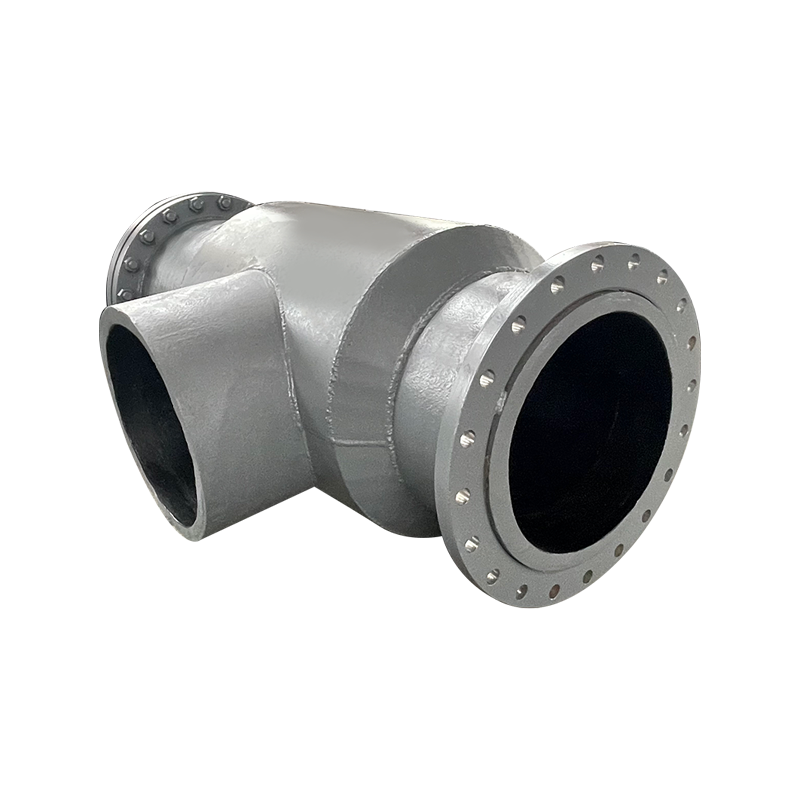
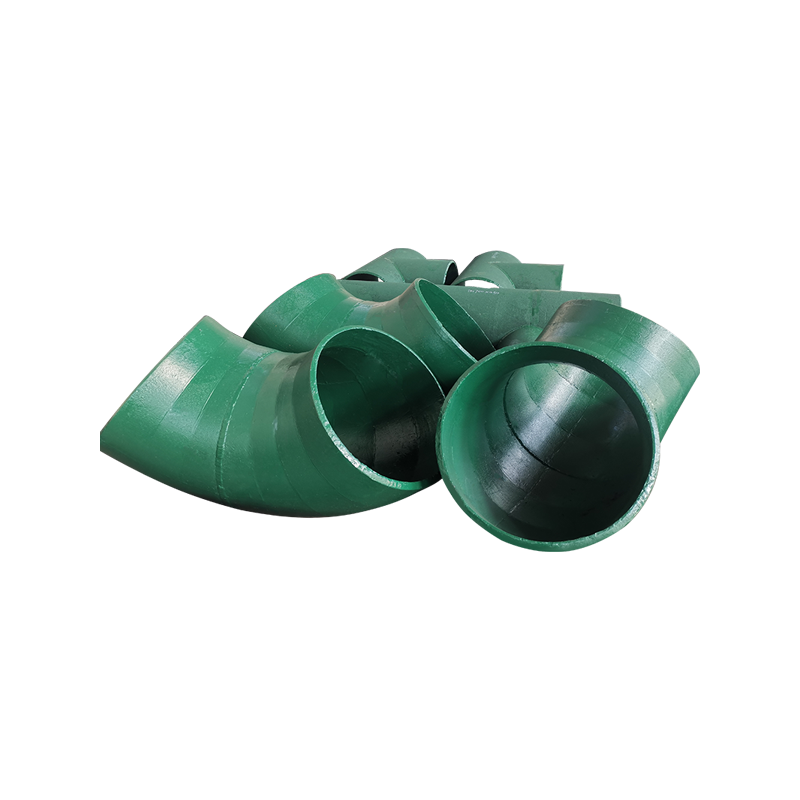
Wear-Resistant Pipes are engineered to withstand sudden impacts, making them suitable for environments where mechanical shocks are a common occurrence. In industries like mining, construction, and material handling, pipes are frequently subjected to debris, equipment collisions, and operational disturbances. The materials selected for these pipes, such as high-carbon steel, chromium, or specialized alloys, are designed to absorb and distribute the impact force. This ability prevents localized damage that might otherwise lead to cracks or catastrophic failures. The pipes feature reinforced sections or additional layers in high-stress areas to further enhance their ability to resist sudden impacts, ensuring their reliability over time.
Fracture toughness is a critical factor in determining how well a material can resist the propagation of cracks under stress. Wear-Resistant Pipes are specifically engineered with materials that exhibit high fracture toughness. This allows them to absorb significant stress without crack formation, even under extreme conditions. High fracture toughness in these pipes ensures that, in the event of an impact, the material will not easily develop cracks that can expand and cause structural failure. This is particularly essential when dealing with high-impact applications, where even small defects can rapidly grow into catastrophic failures if not properly managed. The material's ability to withstand crack initiation is a key feature in maintaining the long-term integrity of the pipes, especially in industries like oil and gas, where pipe failure could result in significant downtime or safety hazards.
Materials used in Wear-Resistant Pipes are designed to be extremely hard, offering superior resistance to wear and abrasion. However, this increased hardness can sometimes reduce the material’s ductility—the ability to deform without breaking. To counteract this tradeoff, Wear-Resistant Pipes are often made from alloys or composites that balance hardness and ductility, offering a combination of wear resistance and the ability to absorb impact without breaking. The manufacturing process plays a significant role in achieving this balance, with heat treatments like tempering or quenching being applied to enhance the pipe’s toughness.
Wear-Resistant Pipes incorporate design features that enhance their ability to absorb shock loads. For example, pipes may have thicker walls or additional reinforcements at stress points to mitigate the effects of impact. The use of layered materials, such as composite materials that combine hard metals with flexible polymers, is another approach used to improve shock absorption. These materials provide an ideal balance between stiffness and flexibility, enabling the pipes to deform under pressure without cracking, while also retaining their shape and functionality.
Over time, even Wear-Resistant Pipes that are built to absorb shock may experience wear and fatigue due to repeated exposure to sudden impacts. While these pipes are designed to endure extreme mechanical stress, continuous or prolonged impact exposure can lead to the gradual development of microstructural changes, such as stress concentration points or minor cracks. The material composition and construction of the pipes are crucial to their ability to resist such fatigue. High-performance alloys are often used to ensure that the pipes maintain their structural integrity over extended periods. Regular monitoring and maintenance can identify early signs of fatigue, allowing for preventative measures to be taken before more serious issues arise.