Search
 русский
 Español
 عربى
عربى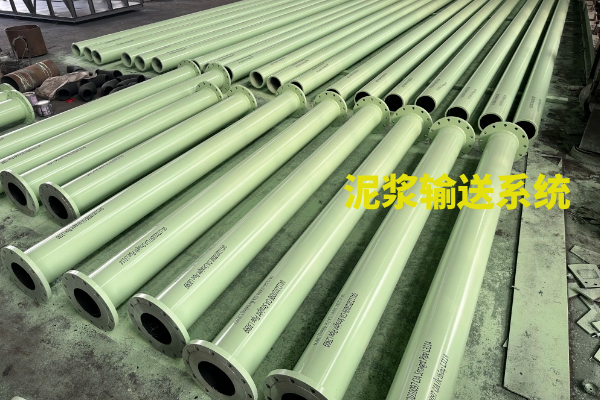
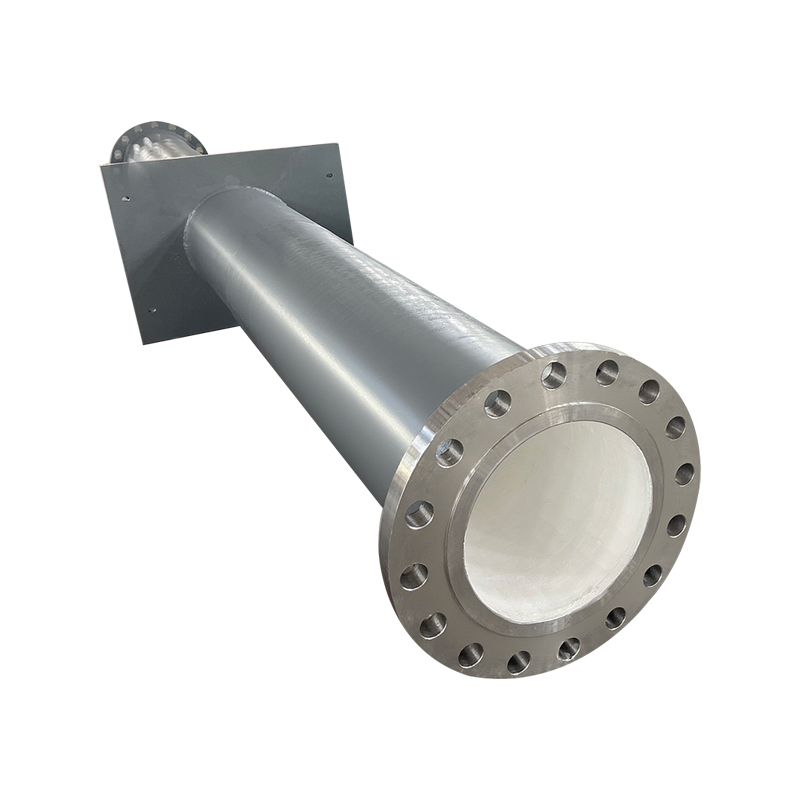
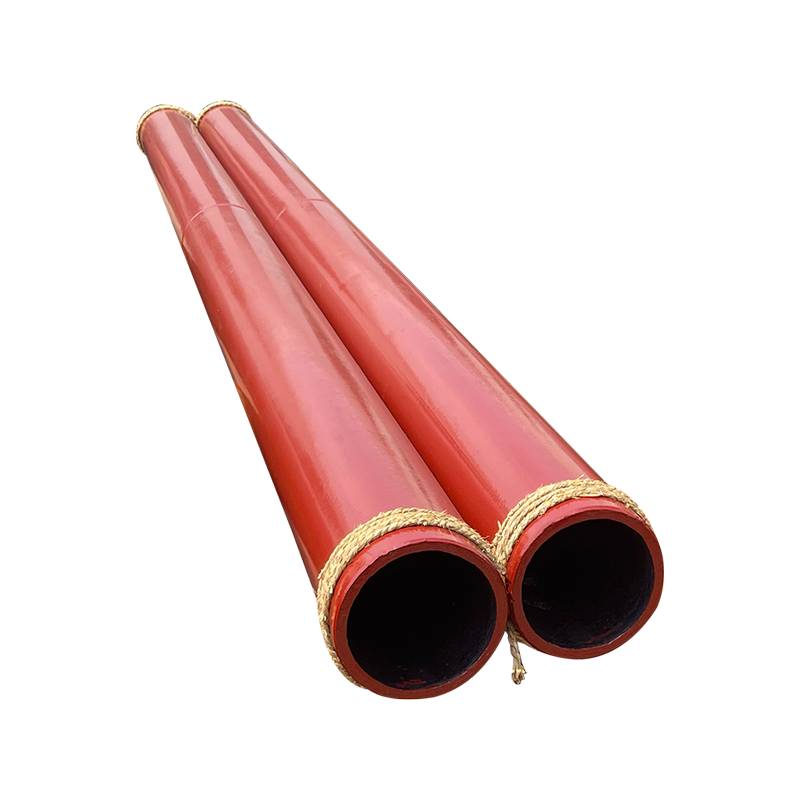
The project involves the development and installation of bimetal wear-resistant pipelines. These pipelines are specially engineered with a seamless steel pipe as the outer structure, providing high mechanical strength and durability. The inner lining consists of a high-chromium alloy wear-resistant layer, designed to offer exceptional resistance to abrasion, corrosion, and long-term mechanical wear under harsh operating conditions.
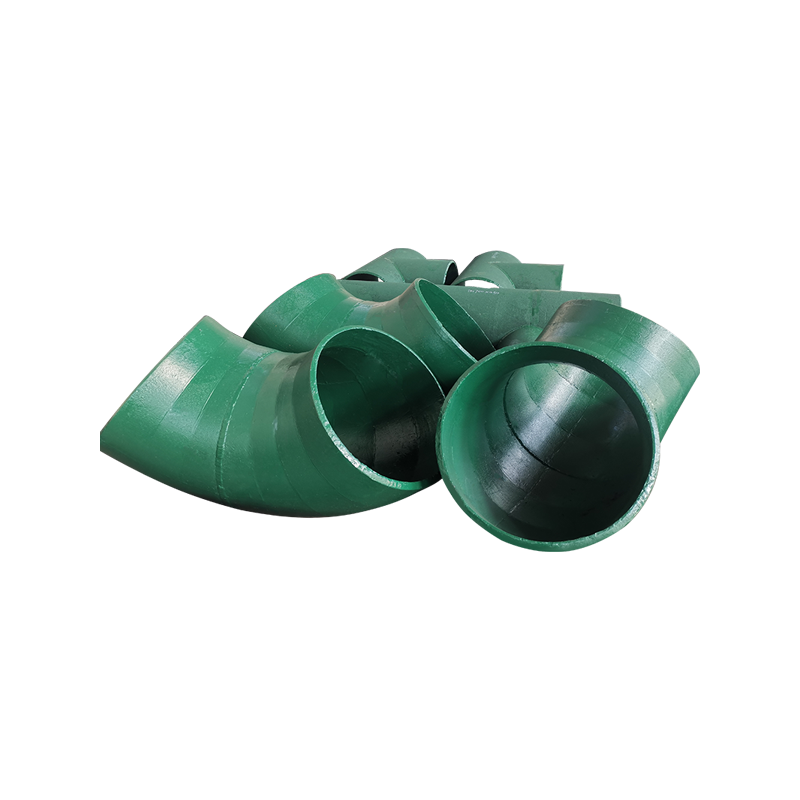
The pipeline system is divided into two main operational sections: the fly ash conveying system and the slurry conveying system. To ensure clear visual identification and maintenance efficiency, a color-coding scheme is implemented. The fly ash pipeline is coated in black paint, while the slurry pipeline is coated in green paint.
This design not only enhances service life and operational performance but also improves system management, safety, and maintenance traceability throughout the project lifecycle.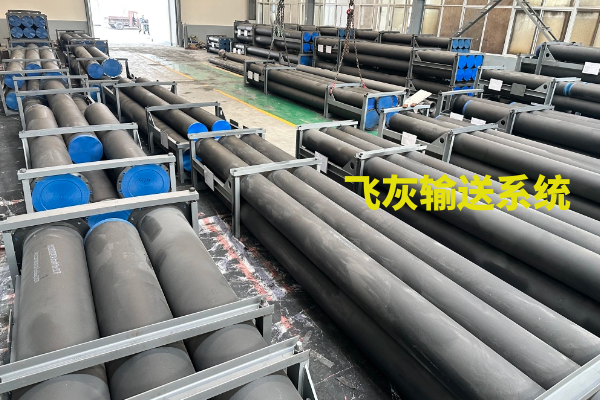
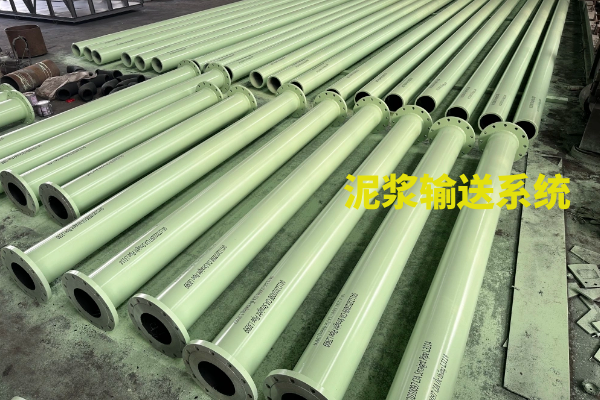
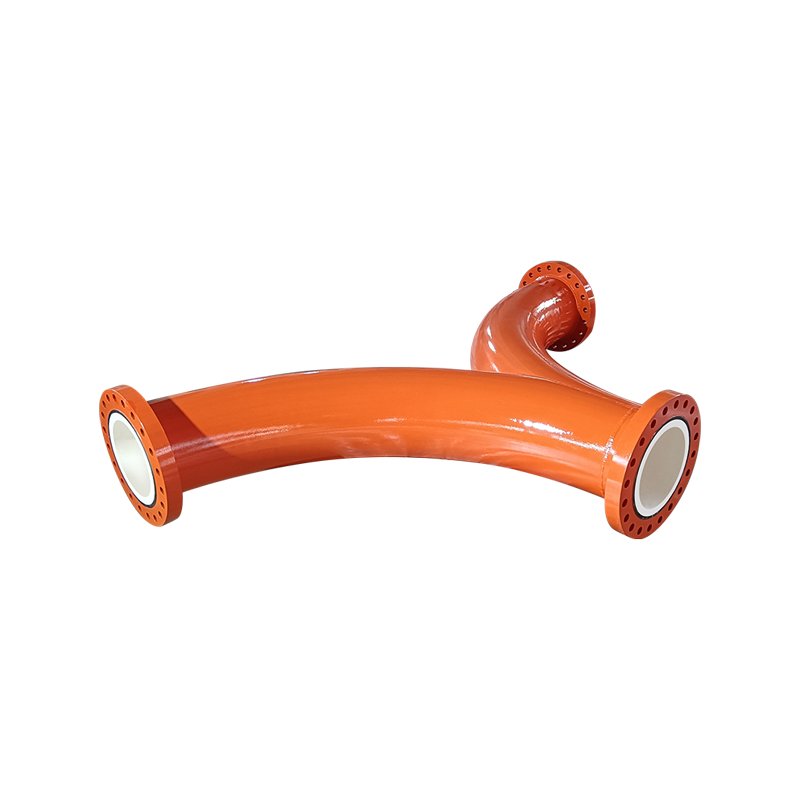
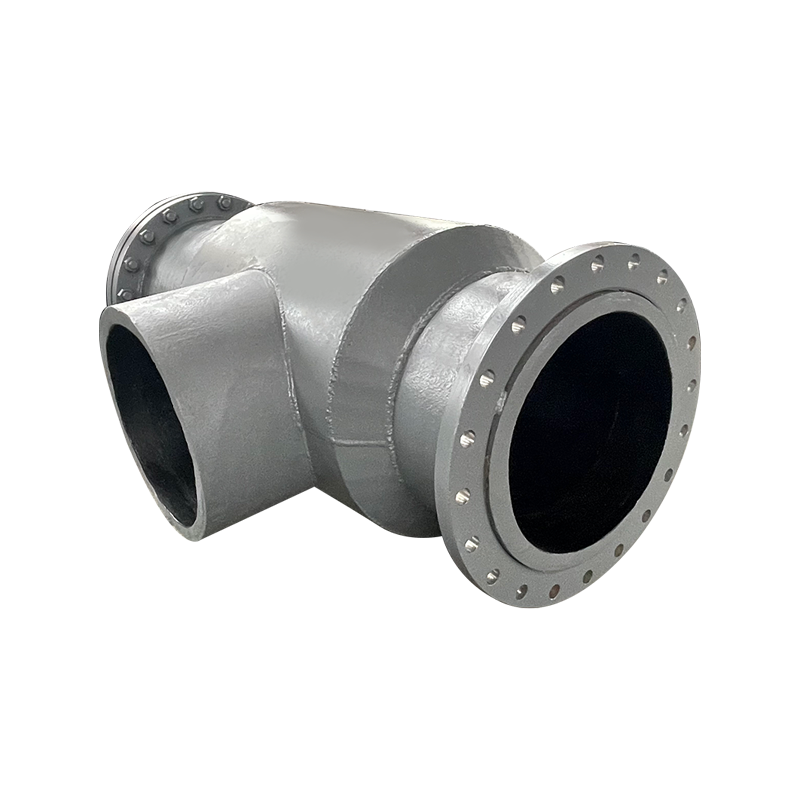
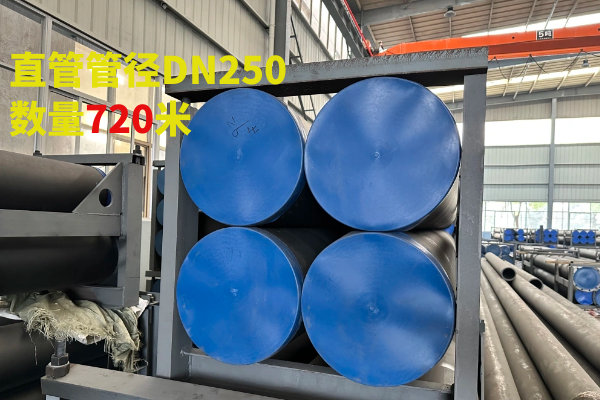
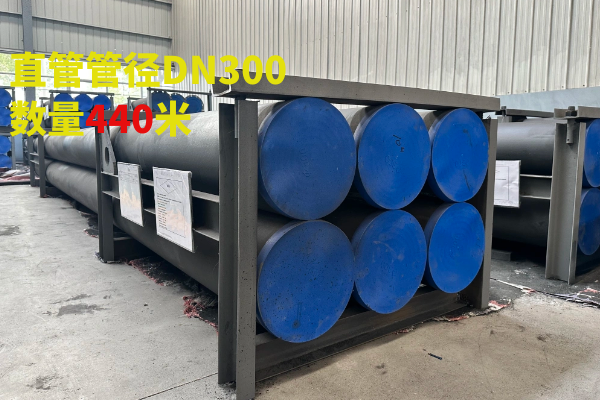
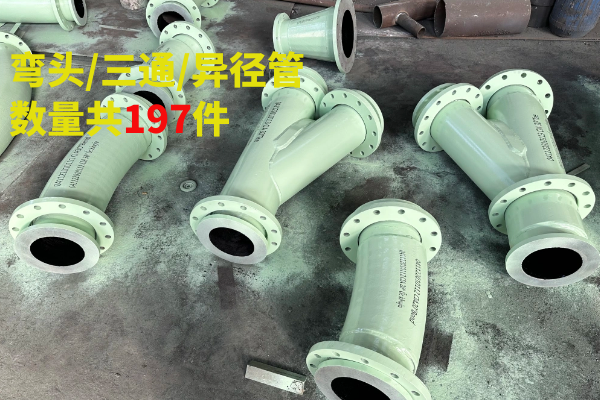
The procurement scope for the bimetal wear-resistant pipeline system includes multiple component types to accommodate various installation and operational requirements. The main forms consist of straight pipes, elbows, tees, and reducers, ensuring compatibility with different flow pathways and structural layouts. Among these, the straight pipes are categorized into three standard nominal diameters: DN200, DN250, and DN300, allowing the system to efficiently handle varying flow rates and operational demands. The total length of straight pipes required for the project is 2,705 meters, representing the majority of the pipeline network.
In addition to the straight sections, the system also requires a range of fittings, including elbows, tees, and reducers, to achieve proper directional changes, branching, and diameter adjustments within the pipeline layout. The total quantity of these non-linear components amounts to 197 pieces. The inclusion of diverse pipeline configurations ensures that the final system is adaptable, structurally optimized, and fully capable of delivering stable, long-term performance in demanding operating environments.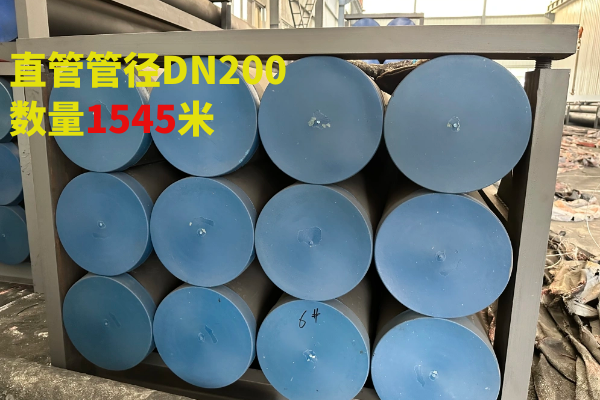
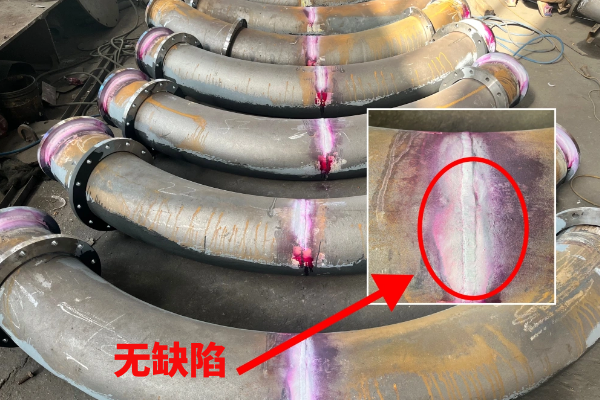
Colorimetric testing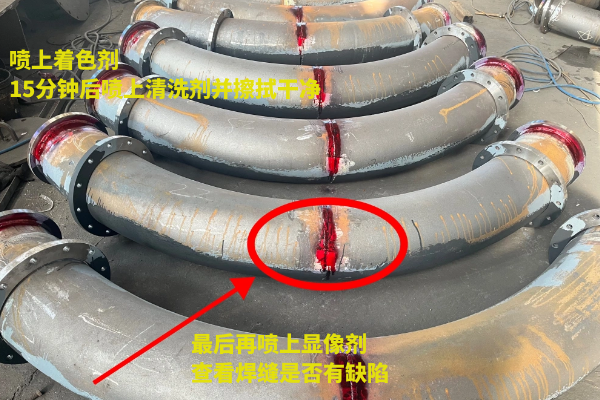
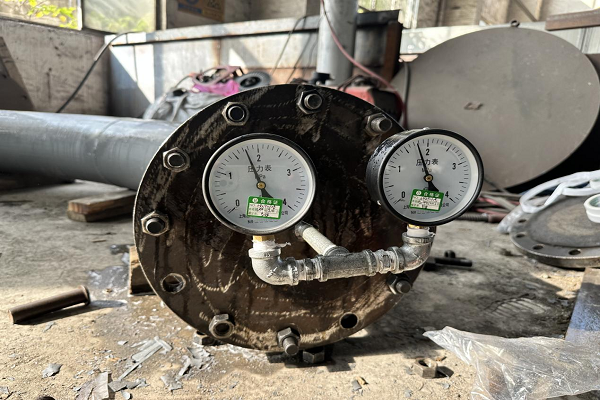
Pressure testing. For fly ash projects, pressure testing is conducted at 8 kg for 15 minutes; for mud projects, pressure testing is conducted at 15 kg for 15 minutes.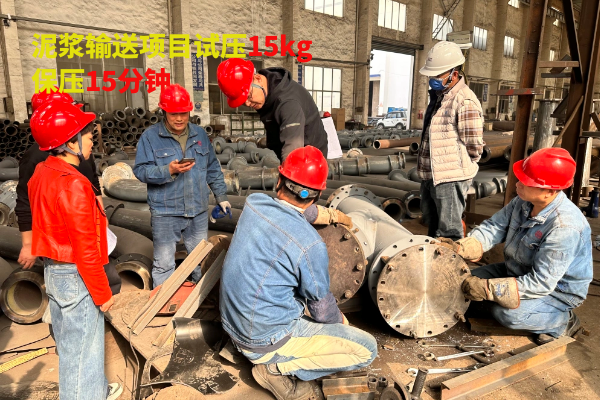
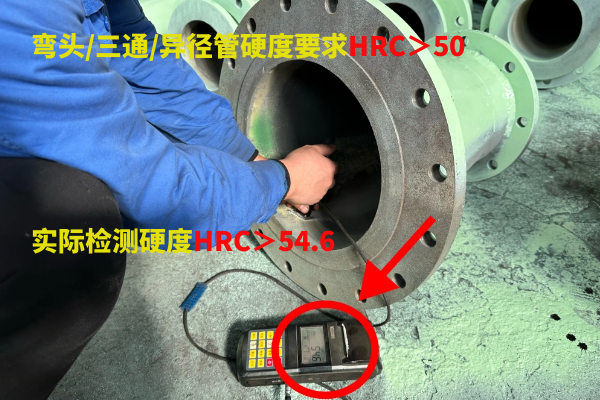
Hardness testing. The hardness requirement for bimetallic wear-resistant straight pipes is HRC > 30, and the hardness requirement for bimetallic wear-resistant elbows, tees, and reducers is HRC > 50.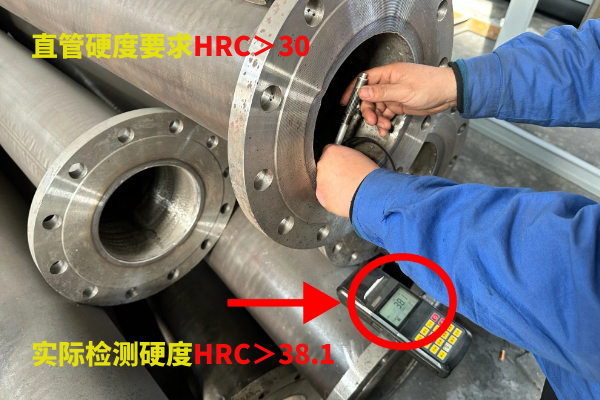
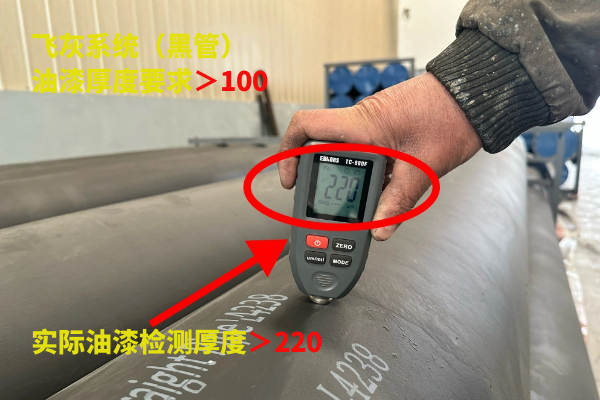
Paint thickness inspection. The paint thickness requirement for mud (green pipe) conveying systems is >200, and the paint thickness requirement for fly ash (black pipe) conveying systems is >100.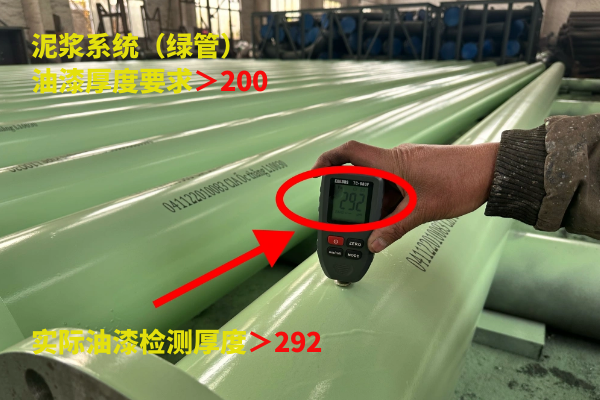
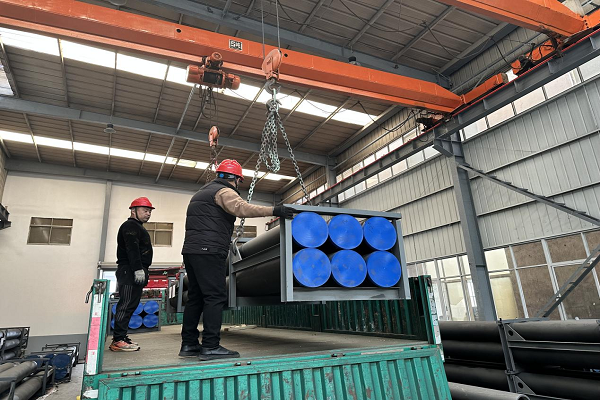
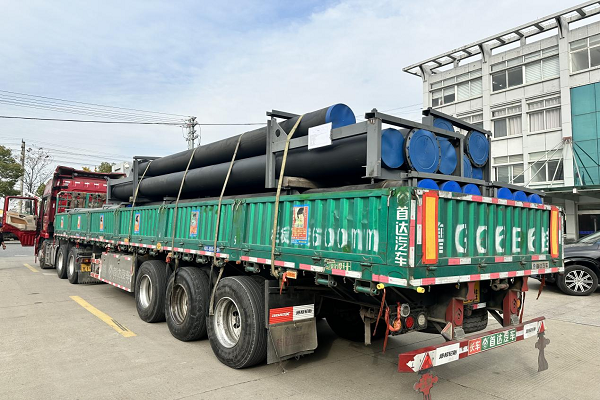
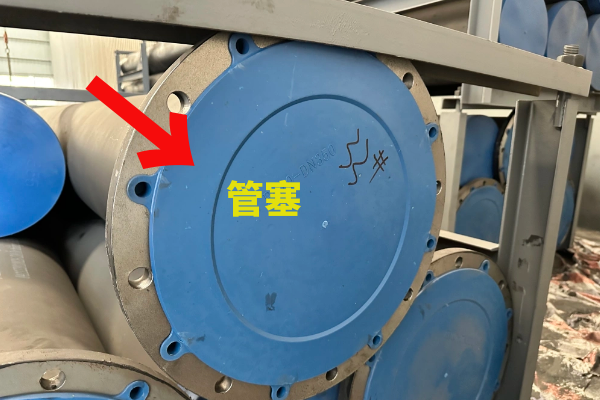
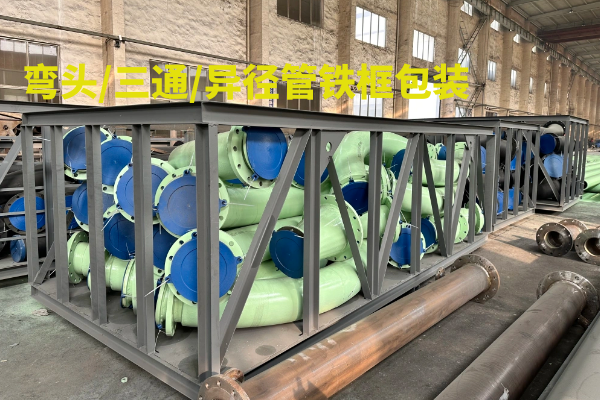
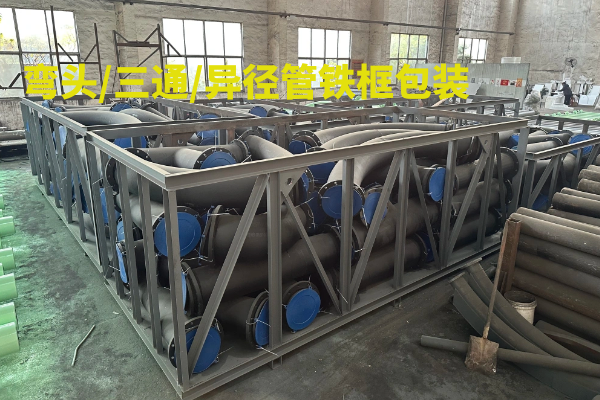
All exposed parts are protected, and the pipe ends are equipped with rubber caps or plugs to prevent debris from entering and to protect the flange sealing surfaces.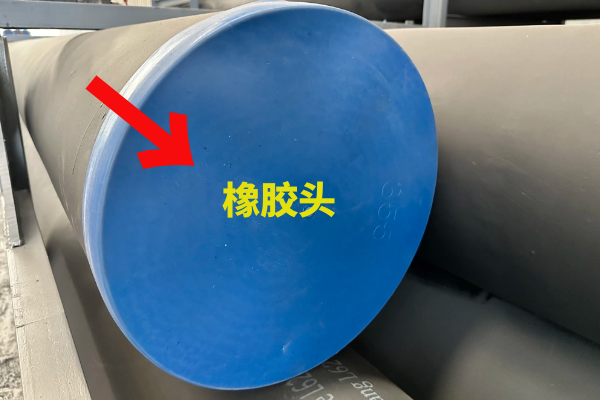
Product identification. The identification uses inkjet printing, and the pipe labels are uniformly in both English and Vietnamese.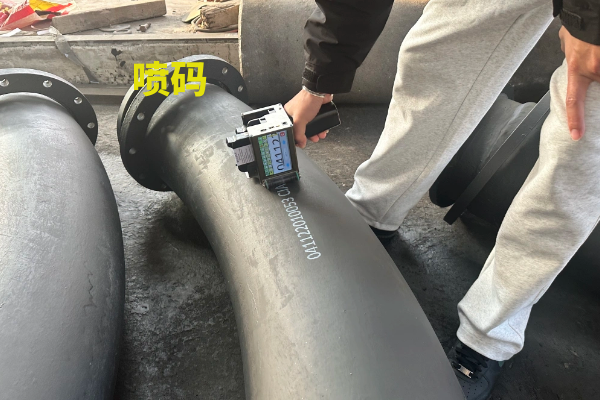
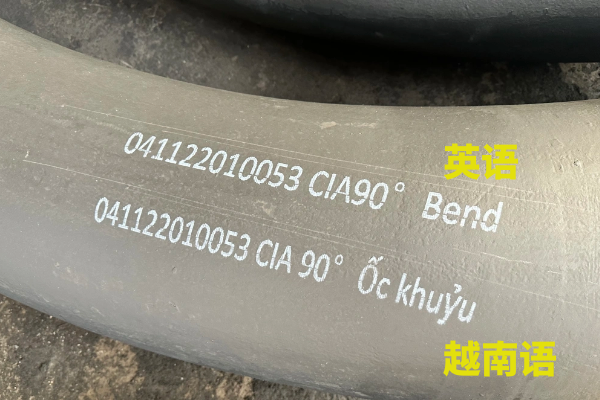
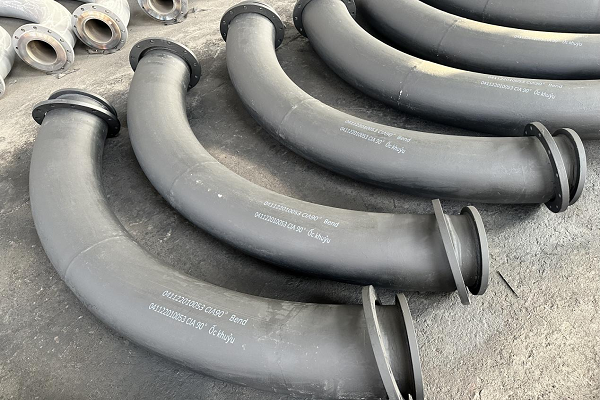
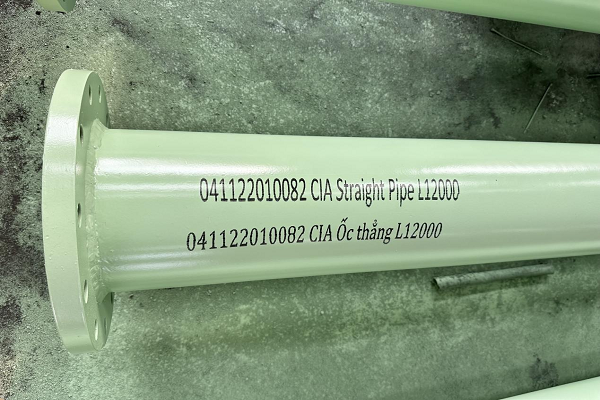
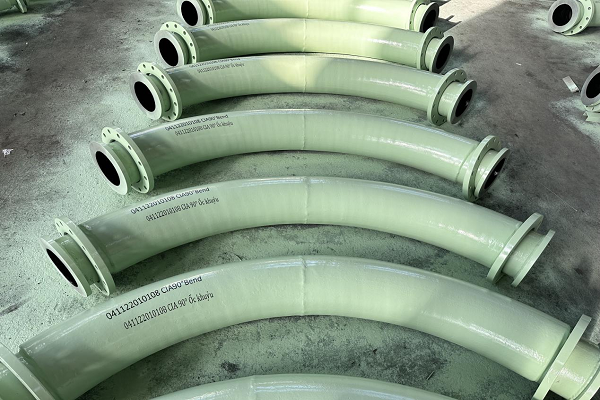
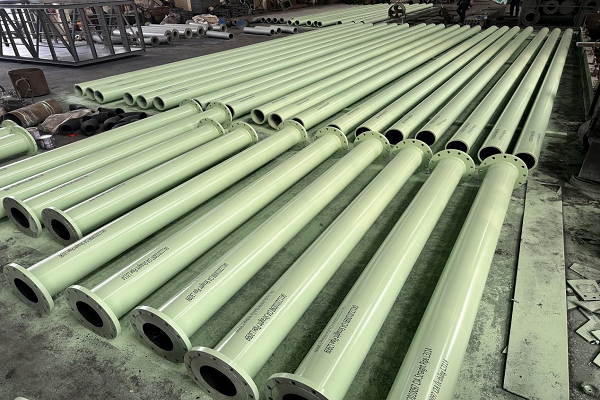
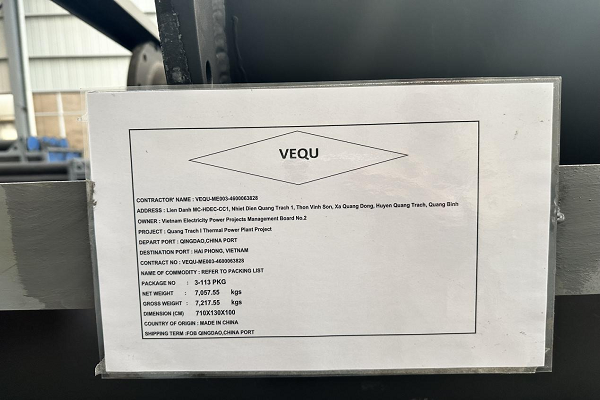
Labeling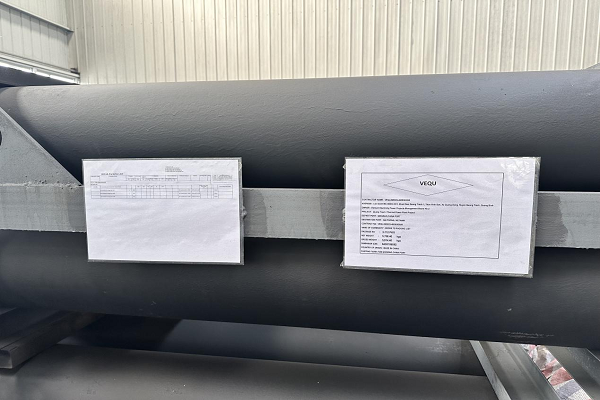
Packaging. Straight pipes are packaged using welded iron frames, while elbows, tees, and reducers are packaged using iron frames.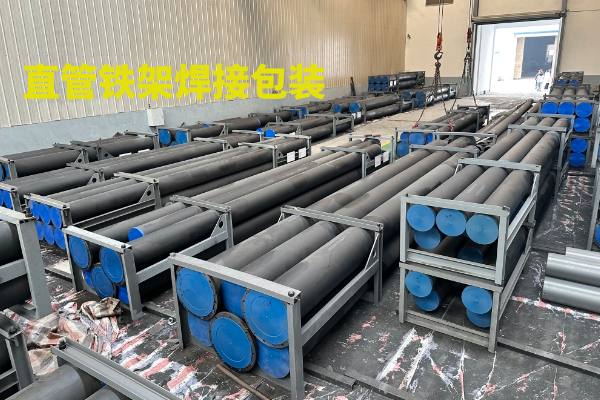
Loading and shipping.